Category:
Economy & TradeBrazil-Africa Corridor: A New Trade Era 🌍
Introduction: A Transformative Trade Route
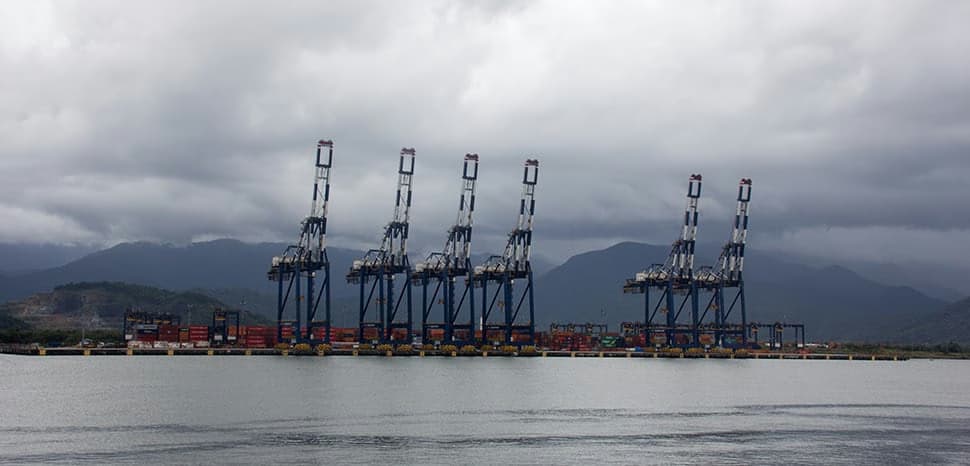
In a bold move to reshape global trade dynamics, DP World has unveiled the Brazil-Africa Corridor, a strategic logistics link connecting the bustling Port of Santos with key African ports in Angola, Mozambique, and South Africa. This initiative marks a significant step in enhancing trade ties between two major commodity-exporting regions, leveraging a single-operator model that integrates ocean freight with inland transport.
The Strategic Significance of the Corridor
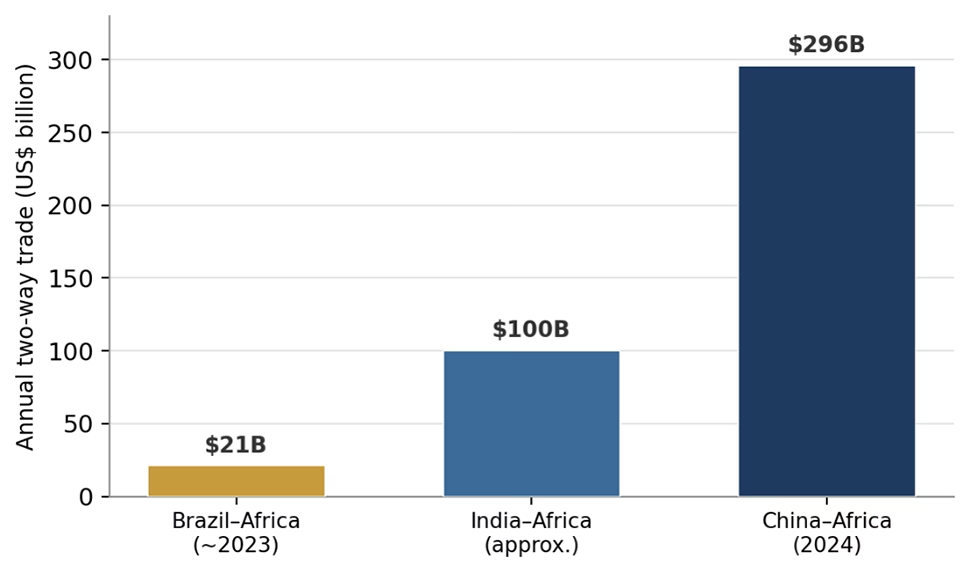
The Brazil-Africa Corridor is not just about moving goods; it's a strategic maneuver to consolidate trade lanes across the South Atlantic. With Mohammed Akoojee at the helm of DP World's African operations, the corridor is described as a "transformative step" for intercontinental commerce. This route is pivotal for DP World, headquartered in Dubai, as it seeks to expand its influence over a trade lane historically underdeveloped yet rich with potential.
Brazil and Africa: A Complementary Relationship
Brazil's exports to Africa, including animal protein, sugar, and corn, align seamlessly with Africa's growing demand for food imports. Conversely, Africa supplies Brazil with essential raw materials like crude oil and fertilizers. This complementary trade dynamic is crucial for boosting containerized traffic along the corridor, particularly on the Brazilian leg.
Infrastructure and Investment: Building the Future
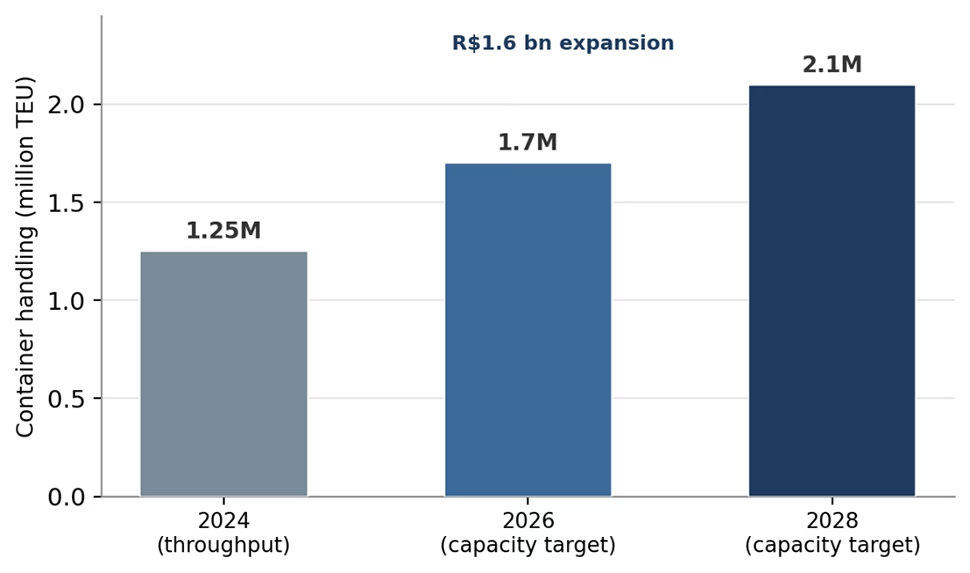
DP World's investment strategy is clear: expand the capacity of the Port of Santos and enhance infrastructure on both continents. With a planned increase in annual terminal capacity from 1.25 million to over 2 million twenty-foot equivalent units by 2028, the corridor is set to handle a substantial surge in trade volume. On the African side, DP World's operations in Luanda, Maputo, and South Africa are complemented by a $1.2 billion port project in Senegal, further solidifying their logistical network.
Geopolitical Implications and Strategic Relevance
The corridor is a testament to the UAE's broader strategy of acquiring global logistic assets, particularly across Africa and Latin America. This move not only enhances commercial prospects but also fortifies strategic geopolitical ties. As both Brazil and the UAE are members of the expanded BRICS group, their collaboration through this corridor underscores a commitment to diversified economic partnerships, especially amid global trade tensions.
The Future Outlook: Challenges and Opportunities
While the corridor promises to streamline trade routes and reduce dependency on European and Middle Eastern transshipment hubs, it also presents challenges. The reliance on a single-operator model raises concerns about market control and the potential for geopolitical leverage. However, the benefits, including improved market access and infrastructure investment, are substantial.
Key Takeaways:
- Enhanced Trade Efficiency: The corridor simplifies logistics, offering a direct route that bypasses traditional transshipment hubs.
- Strategic Investment: Significant investments in port and terminal infrastructure are set to boost trade capacity.
- Geopolitical Impact: Aligns with broader UAE and Brazilian strategies for economic diversification and geopolitical influence.
Conclusion: A Path Forward
As the Brazil-Africa Corridor gains momentum, it represents a new era in South Atlantic trade, promising enhanced economic ties and strategic partnerships. For stakeholders, from Brazilian agribusinesses to African importers, this corridor is a gateway to growth, offering both opportunities and challenges as it reshapes the geopolitical and economic landscape.