Category:
Conflicts & SecurityCanada Eyes Role in Global Combat Air Program
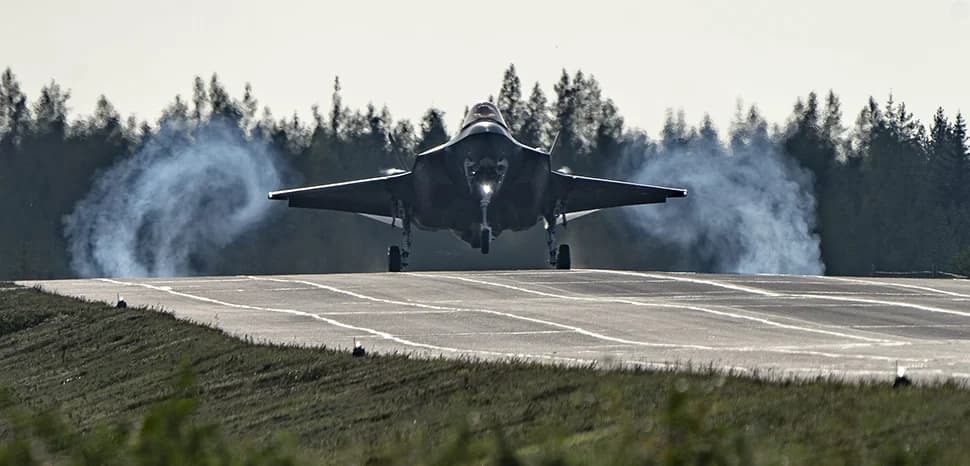
The strategic landscape of global defense is evolving, and Canada is poised to play an influential role. As nations strive for advanced military capabilities, Canada's interest in joining the Global Combat Air Program (GCAP) marks a significant move in strengthening its defense and international ties. 🌍
Understanding the Global Combat Air Program
The GCAP is a collaborative initiative involving key defense players such as the UK, Italy, and Japan. It aims to develop next-generation fighter aircraft, fostering technological innovation and military cooperation. Canada's potential involvement as an observer provides access to critical information, which could eventually lead to deeper participation, including manufacturing and procurement.
Canada’s Strategic Moves
Canada's inclination towards GCAP participation aligns with its broader defense strategy. By diversifying its defense partnerships beyond the United States, Canada seeks to modernize its Royal Canadian Air Force (RCAF) while securing advanced military technologies. This move could enhance Canada’s geopolitical influence and defense capabilities. 🔄
- Potential Benefits for Canada:
- Access to cutting-edge aerospace technology
- Strengthening ties with key global allies
- Opportunities for domestic defense industries
The Timing of Canada’s Engagement
The interest in GCAP comes during a period of heightened security concerns and trade tensions with the US. Canada's initiative to expand its military collaborations signifies a diplomatic shift towards a more balanced approach in its international relations.
Historical Context and Agreements
In January, Canada and Japan signed a pivotal agreement on the transfer of defense equipment and technology. This agreement lays a legal framework for future collaborations under GCAP, signaling Canada’s commitment to international peace and security initiatives.
Navigating the Challenges
While the potential benefits are substantial, Canada's involvement in GCAP is not without challenges. Japanese officials have expressed concerns about meeting the program’s 2035 deployment deadline, fearing that new partners might complicate timelines. However, Canada’s observer status initially allows it to align its defense priorities without immediate full commitment. 🔍
Economic and Industry Implications
Canadian defense companies stand to gain significantly from GCAP. Engaging in research and development within the program can bolster Canada's aerospace engineering sector and create opportunities for manufacturing GCAP fighter components. This involvement not only strengthens the industry but also enhances Canada's reputation in global defense markets.
- Key Economic Opportunities:
- Collaborations in aerospace R&D
- Manufacturing and export potential
- Enhanced global market presence
Future Prospects and Strategic Importance
As Canada assesses its long-term defense strategies, joining GCAP could pave the way for replacing its aging CF-18 fleet with advanced sixth-generation jets. This move aligns with Canada's goals of modernizing its military forces and ensuring interoperability with allied nations.
Looking Ahead
The upcoming meeting in June 2026, involving defense ministers from Britain, Italy, and Japan, is set to formalize Canada’s observer status. This step is anticipated to be a precursor to more significant involvement in GCAP, potentially redefining Canada’s role in international defense collaborations. 🚀
Conclusion: A Strategic Step Forward
Canada's pursuit of a role in the Global Combat Air Program represents a forward-thinking approach to its defense strategy. By engaging with GCAP, Canada not only strengthens its military capabilities but also solidifies its position as a key player in global defense initiatives. The path forward presents opportunities for technological advancements, economic growth, and enhanced international relations, setting the stage for a robust defense future.