Category:
Conflicts & SecurityCanada's Submarine Dilemma: Doctrine Gaps Unveiled
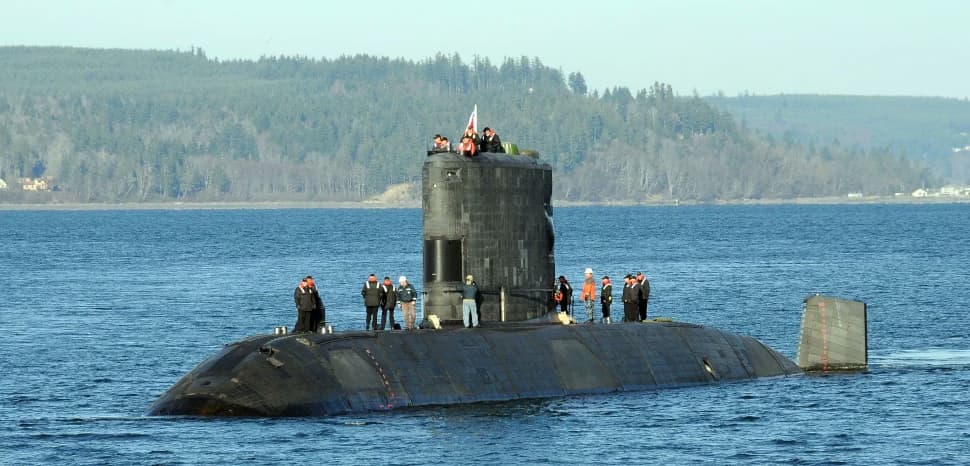
Canada is navigating choppy waters with its submarine procurement plans, facing a doctrinal gap that raises questions about the future of its naval strategy. As the country embarks on a significant defense procurement project, the focus has been on the submarines themselves rather than the missions they are intended to serve. This oversight could pose strategic risks in the face of evolving global threats. 🌍🛡️
Understanding the Procurement Debate
The Canadian Patrol Submarine Project (CPSP) is at the heart of this debate. The project outlines the need for submarines capable of operating "near, in, and if necessary, under ice (for limited periods)." However, these requirements have sparked discussions about the true capabilities and strategic roles these submarines will play, especially in the Arctic region. ❄️⚓
The Arctic Challenge
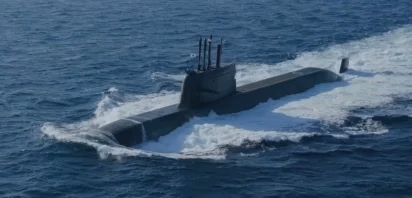
Operating under Arctic ice presents unique challenges, including propulsion endurance and communication constraints. With the Arctic becoming a geopolitical hotspot, Canada's ability to maintain sovereignty and security in these icy waters is crucial. Yet, the strategic purpose behind these submarines remains unclear. Are they for surveillance, deterrence, or something else entirely? 🤔
Historical Context and Current Implications
Canada's submarine fleet, primarily the Victoria-class, is nearing obsolescence. Historically, the country has faced setbacks in its naval ambitions, such as the abandoned nuclear submarine program in 1989. The CPSP aims to address these gaps, but without a clear strategic doctrine, Canada risks repeating past mistakes. 📜🔍
The Strategic Doctrine Gap
A major critique of Canada's current approach is the lack of a defined mission for the new submarines. This doctrinal gap means that procurement decisions are being made without a full understanding of the strategic goals. This could lead to operational limitations once the submarines are deployed. 🔄
Global Trends and Implications
Globally, the Arctic is becoming a focal point for military strategy due to climate change and increased accessibility. Nations like Russia and China are expanding their presence, prompting concerns over security and sovereignty. Canada's response with its submarine fleet will need to address these growing tensions effectively. 🌐❗
Future Considerations and Strategic Focus
As Canada approaches key decisions in the procurement process, several questions remain unanswered:
- What are the primary missions for the new submarines?
- How will these vessels integrate with allied forces?
- What communication systems will ensure effective command and control in the Arctic?
These questions highlight the need for a robust strategic doctrine that aligns with Canada's national defense objectives. 📊
Conclusion: Navigating Future Waters
In conclusion, while the procurement of new submarines is a step forward for Canada's naval capabilities, the lack of a clear strategic doctrine could limit their effectiveness. As geopolitical dynamics shift, it is imperative that Canada defines its submarine missions to ensure they meet national and international security needs. The path forward must prioritize strategic clarity to leverage these assets fully. 🚢🔍
Looking ahead, Canada's defense policy must evolve to address these challenges, ensuring that its submarine fleet is not only technologically advanced but also strategically aligned with its national interests.