Category:
Conflicts & SecurityColombian Shift Right as Crime Tops Election Agenda
Colombia's Political Shift: A New Era?
Colombia recently witnessed a significant political shift as Abelardo de la Espriella, a right-wing populist, emerged victorious in a closely contested presidential election. His focus on security and a promise to restore territorial control within 90 days resonated with voters, but the challenges ahead are formidable. 🇨🇴
Espriella's victory, achieved by a slender margin of 49.7% against his left-wing rival Iván Cepeda, highlights the deep divisions within Colombian society. While Espriella secured a majority in central urban areas, Cepeda found support along the coast and peripheries, regions plagued by insecurity and organized crime.

Security Plans and Populist Promises
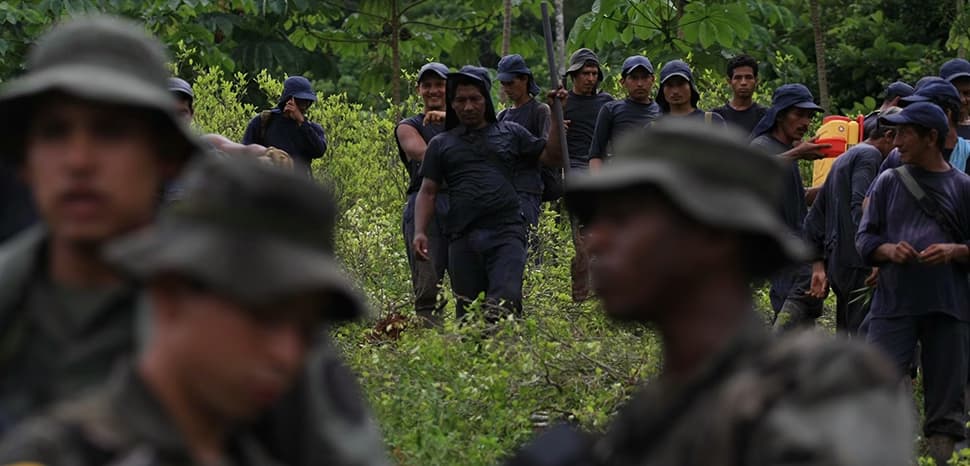
A key element of Espriella's campaign was his promise of a swift securitization strategy. He aims to employ aggressive measures, including a bombing campaign against "narco-terrorist camps," fumigation of coca fields, and increased military presence in major cities. These plans echo strategies employed by leaders like Nayib Bukele of El Salvador, who has seen success in reducing gang violence through stringent measures. 🎯
However, the Colombian context is markedly different. Colombia's challenges include entrenched guerrilla groups like the ELN, FARC, and Clan del Golfo, which hold significant territorial control and influence. Unlike El Salvador, where street gangs are the primary concern, Colombia's guerrilla armies present a more complex adversary for Espriella's administration.
Historical Context and Political Dynamics
Colombia's political landscape has long been shaped by its tumultuous history of conflict, with the longest-running civil war in the world. Previous attempts at peace, such as the Paz Total policy, fell short, failing to negotiate successfully with guerrilla groups or reduce violence. Espriella's stance against further negotiations marks a significant departure from past policies.
His criticism of the Special Jurisdiction for Peace (JEP), established during the FARC peace process, underscores his populist and nationalist approach. Espriella views the JEP as a politically motivated body, a sentiment that resonates with those who feel past efforts at reconciliation have been one-sided.
Challenges of Governance Without Party Backing
Espriella's position as a political outsider further complicates his governance. Lacking the support of a traditional political party, he faces the daunting task of delivering on his promises in a deeply divided nation. His plans, including the construction of "megaprisons," reflect a hardline stance on crime that appeals to public fear and a desire for swift justice.
Yet, these measures may struggle to address the root causes of Colombia's security issues, such as poverty, inequality, and the entrenched power of drug cartels. The complexity of Colombia's political and social landscape demands nuanced solutions beyond military might.
The Road Ahead: Opportunities and Risks
Espriella's presidency represents both an opportunity and a risk for Colombia. His hardline policies may bring short-term gains in security, but the long-term implications for democratic governance and human rights remain uncertain. The international community will closely watch how Espriella balances his tough rhetoric with the demands of effective leadership in a country still healing from decades of conflict. 🌟
As Colombia embarks on this new political journey, the challenges are immense, and the stakes are high. The world will be watching to see if Espriella can deliver on his ambitious promises or if the realities of governing a complex nation will temper his bold approach.