Category:
Conflicts & SecurityDrone Warfare in the South Caucasus Unveiled
The New Frontier: Drone Warfare 🌐
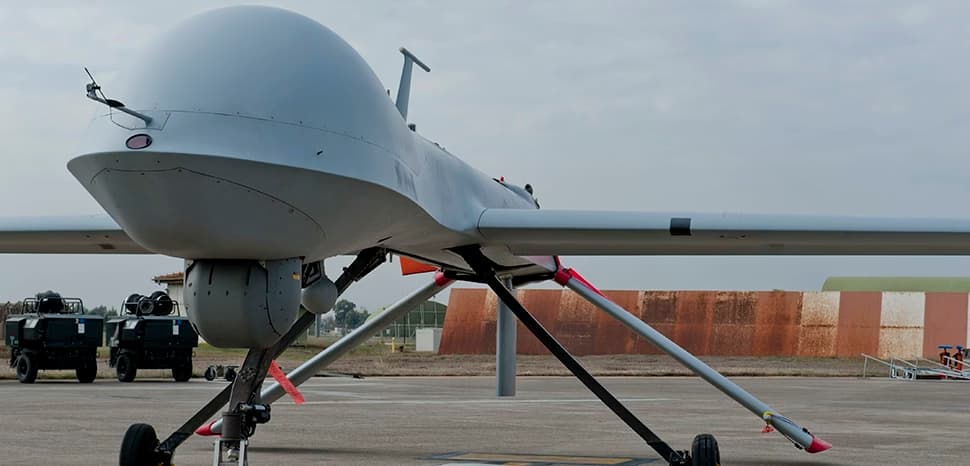
The integration of drones in warfare has transformed military strategies worldwide, marking a pivotal shift in how nations conduct conflicts. In particular, the South Caucasus region has emerged as a significant player in this unmanned arms race.
Historical Context: From Surveillance to Strategic Dominance 📜
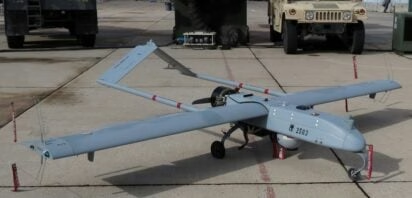
Drones, or unmanned aerial vehicles (UAVs), began as tools for reconnaissance during the Vietnam War. However, it was the Afghanistan conflict that highlighted their potential, where drones provided critical intelligence and targeted strikes. This evolution continued through the 2020 Nagorno-Karabakh War, where Azerbaijan's use of UAVs showcased their lethal efficiency against traditional military assets.
The South Caucasus: A Geopolitical Hotspot 🔥
The South Caucasus, comprising Armenia, Azerbaijan, and Georgia, is a region fraught with geopolitical tensions. The 2020 Nagorno-Karabakh conflict demonstrated how drones could decisively shift the balance in such volatile areas. With Azerbaijan leading in drone integration, this region has become a focal point for understanding modern drone warfare's implications.
Azerbaijan: Pioneering Drone Development 🚀
Azerbaijan has positioned itself at the forefront of drone warfare in the South Caucasus. The country has significantly expanded its UAV capabilities, incorporating both foreign and domestically produced systems. The Bayraktar TB-2 and Akıncı drones from Turkey, along with Israeli UAVs, form the backbone of Azerbaijan's drone fleet. The establishment of Unmanned Systems Troops within its armed forces underscores its commitment to integrating UAVs into its military strategy.
Strategic Partnerships and Domestic Production 🤝
Azerbaijan's collaboration with Turkish defense companies, particularly Baykar, exemplifies its strategy to enhance domestic UAV production capabilities. The 2021 Shusha Declaration has fortified this partnership, enabling technology exchange and joint production efforts. This move not only boosts Azerbaijan's military self-sufficiency but also positions it as a potential regional drone manufacturing hub.
Economic Investments in Defense 💰
The growth of Azerbaijan's defense budget from $2.24 billion in 2020 to an anticipated $5.1 billion by 2026 reflects its strategic focus on military modernization. This financial commitment supports the advancement of drone technology and the expansion of its defense industry, ensuring Azerbaijan remains a dominant force in the region.
The Broader Implications of Drone Warfare 🌍
The use of drones in the South Caucasus is indicative of a broader trend in global military strategies. UAVs offer cost-effective solutions for surveillance, precision strikes, and logistical support, redefining traditional military engagements. As technology advances, the role of drones will likely expand, influencing military doctrines worldwide.
Conclusion: The Future of Unmanned Warfare 🔮
The integration of drones into military operations in the South Caucasus serves as a microcosm for global trends. As countries like Azerbaijan continue to innovate and expand their UAV capabilities, the future of warfare is set to become increasingly unmanned and technologically sophisticated. The geopolitical implications of these developments are profound, potentially redefining power dynamics in volatile regions.
In conclusion, the South Caucasus's embrace of drone warfare is not just a regional phenomenon but a harbinger of future military strategies. As nations continue to navigate this unmanned arms race, the lessons from the South Caucasus will undoubtedly shape the future of global conflict resolution.