Category:
Conflicts & SecurityDrones: Solving EU's Deep Strike Capability Gap
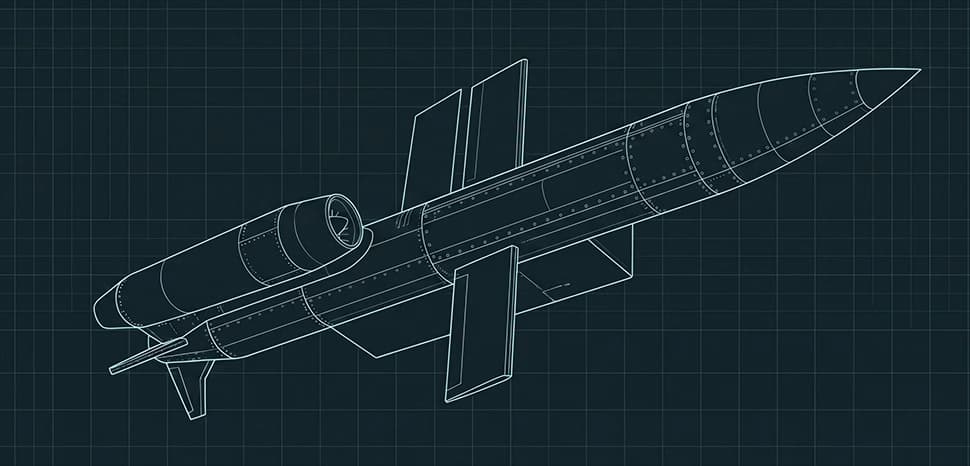
The European Union faces a critical challenge: bridging the deep strike capability gap until new indigenous systems become operational post-2028. As geopolitical tensions rise, the question is whether drones can fill this void, offering an agile, scalable solution for long-range strikes. 🌍
Why the Focus on Drones? 🤔
With Europe's advanced platforms delayed, drones emerge as a strategic interim measure. They offer rapid deployment, cost-efficiency, and adaptability, making them ideal for modern warfare's evolving demands. Ukraine's recent drone advancements provide a compelling case study.
Ukraine's Pioneering Drone Strategy 🇺🇦
Since February 2022, Ukraine has transformed its drone capabilities, developing a domestic industry capable of striking Russian targets up to 1,750 kilometers away. This impressive feat underscores drones' potential to disrupt traditional military dynamics.
- Tactical Depth: Modified commercial drones for strikes up to 50 kilometers.
- Extended Range: Platforms like the UJ-26 Bober reaching up to 1,000 kilometers.
- Deep-Strike Capability: The AN-196 Liutyi, with a range over 1,700 kilometers, serves as a Ukrainian analog to the Shahed-136.
- Hybrid Systems: The FP-5 Flamingo blends drone and cruise missile technology, boasting a 3,000-kilometer range.
Challenges and Opportunities for Europe 🇪🇺
For the EU, replicating Ukraine's success means overcoming several hurdles:
- Industrial Scaling: Can European industry produce drones at the necessary scale and pace?
- Technological Innovation: Developing platforms with resilience against electronic warfare.
- Strategic Integration: Ensuring drones complement existing military strategies.
The potential benefits are substantial. Drones could offer enhanced surveillance, precision strikes, and reduced risk to human pilots, making them a versatile asset in modern military arsenals.
Broader Implications for Global Security 🌐
Drones' increasing prominence in military strategies reflects broader trends in global security. Nations worldwide are investing in autonomous technologies to gain strategic advantages. This shift raises important questions about the future of warfare, including ethical considerations and the potential for an arms race in drone technology.
The Path Forward: Strategic Recommendations 📈
- Investment in R&D: Prioritizing research to develop advanced drone technologies.
- Cross-National Collaboration: EU members should collaborate to share expertise and resources.
- Regulatory Frameworks: Establishing guidelines to govern drone use and prevent escalation.
Conclusion: The Road Ahead 🚀
Drones hold the promise of bridging the EU's deep strike capability gap, but realizing this potential requires strategic investment and collaboration. As Europe navigates this complex landscape, drones could redefine the region's military capabilities and influence global security dynamics. The journey is fraught with challenges, but the rewards could be transformative, ensuring the EU remains a formidable player on the world stage.
In the coming years, the development and deployment of drone technology will be pivotal in shaping the future of military strategy and international security. The EU's ability to harness this potential will determine its strategic posture in an increasingly complex geopolitical environment.