Category:
Conflicts & SecurityEurope's Military Deep Strike Challenge
Introduction: A Gap in Europe's Defense
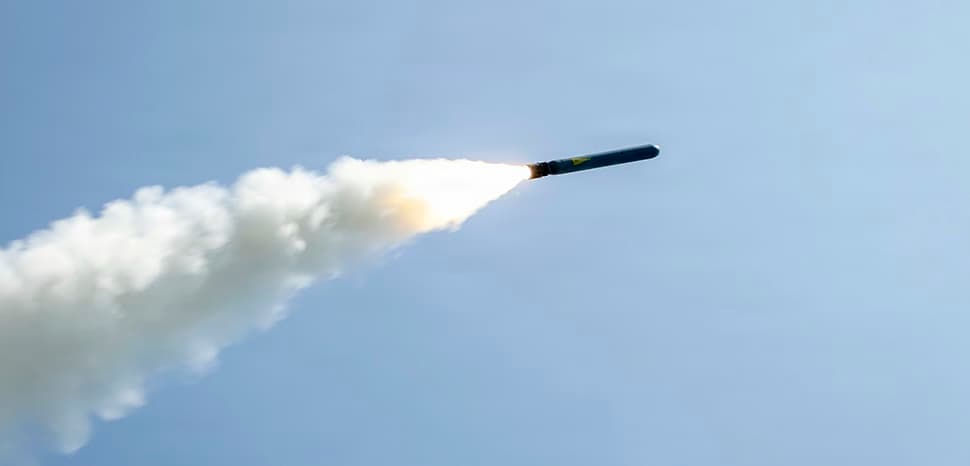
Europe's military landscape is at a pivotal point, with a glaring shortfall in long-range strike capabilities. As geopolitical tensions rise, the continent faces a pressing need to bolster its defense mechanisms, highlighting a strategic gap in its conventional military prowess. The situation recently worsened when a pivotal agreement to deploy U.S. Typhon launchers and Tomahawk cruise missiles on German soil was shelved. This decision underscores the urgency for Europe to develop its own deep-strike systems. 🌍
The Current Landscape of Military Power
Among European NATO members, Turkey stands out, currently fielding the Bora and Tayfun Block I systems—ground-launched ballistic missiles with ranges exceeding 300 kilometers. Other nations rely on air-launched cruise missiles like the Franco-British Storm Shadow and the German-Swedish Taurus KEPD 350. However, these require survivable aircraft for deployment, and stockpiles have been depleted due to support for Ukraine.

Development Delays and Challenges
Europe's efforts to develop indigenous systems are underway, but these deep-strike capabilities won't be operational until 2028-2035. The most sophisticated systems are expected towards the latter part of this timeframe. Financial mobilization by Brussels is unprecedented, yet the reliance on future technologies highlights Europe's current vulnerability.
Strategic Implications of the Shortfall
The absence of robust long-range strike options is a significant handicap for a continent aspiring to be a formidable military force. The Royal Navy's Tomahawk missiles, with a range of approximately 1,600 kilometers, are currently the longest-range missiles, yet their numbers are insufficient.
Key Challenges:
- Technological Lag: Europe's delay in developing indigenous systems.
- Resource Allocation: The financial and logistical burden of developing new technologies.
- Geopolitical Uncertainty: Changing alliances and threats require adaptable strategies.
A Path Forward: Bridging the Gap
To address these challenges, Europe must accelerate the development of its deep-strike capabilities. This involves not only technological advancements but also strategic partnerships and increased defense spending.
Actionable Steps:
- Investment in R&D: Prioritizing research and development for autonomous strike technologies.
- International Collaboration: Strengthening alliances and joint ventures with other NATO countries.
- Policy Reevaluation: Adapting defense policies to address contemporary threats effectively.
Conclusion: The Road Ahead
Europe's journey to achieving a robust military stance is fraught with challenges but is critical for continental security. As new systems are developed and deployed, Europe must maintain a proactive stance in defense readiness. This strategic gap, if not addressed, could compromise Europe's standing as a military power. The time to act is now, ensuring that the continent is not left vulnerable in an increasingly volatile global landscape. 🔍
Key Takeaways:
- Europe must expedite the development of deep-strike capabilities.
- Collaborative efforts and increased funding are crucial to bridging the military gap.
- Proactive defense policies will define Europe's future military strength.