Category:
Conflicts & SecurityGCC's Readiness: High Stakes with Iran
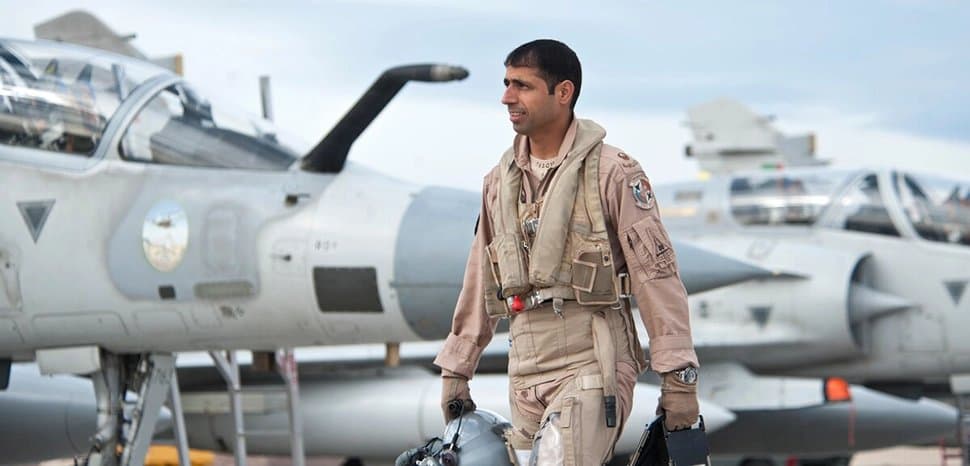
The geopolitical landscape of the Middle East is at a pivotal juncture, as tensions between the Gulf Cooperation Council (GCC) and Iran escalate to potentially perilous levels. The strategic complexities of this situation demand a nuanced understanding of both historical contexts and current dynamics.
The Catalyst: Rising Tensions 🌍
The recent surge in hostilities was sparked by US-Israeli strikes on Iran, which quickly transformed into a broader regional conflict. Iran's retaliatory measures, particularly targeting the Strait of Hormuz, have intensified global concerns over energy security and economic stability. This narrow waterway, through which a significant portion of the world's oil transits, has become a focal point for both military action and diplomatic negotiations.

The GCC's Strategic Dilemma ⚔️
In facing Iran's aggression, the GCC states are caught in a strategic conundrum. While the inclination towards "active defense" remains, the pressure is mounting for a more assertive stance. Iranian attacks have begun to affect key areas within the Gulf, prompting discussions about the erosion of deterrence and the potential need for a shift in strategy.
Defensive Posture or Offensive Moves?
Currently, the GCC's defensive strategy involves supporting US-led operations without direct offensive strikes on Iran. This posture is contingent on the nature of Iran's attacks, which, if limited, might maintain the status quo. However, as the threshold for direct GCC intervention lowers, the possibility of more aggressive actions looms larger.
The Strait of Hormuz: A Geopolitical Chessboard
The strategic significance of the Strait of Hormuz cannot be overstated. Iran's leverage over this vital passage has led to increased energy prices and a ripple effect across global shipping markets. The prospect of multinational efforts to secure the strait underlines its critical importance in the broader geopolitical equation.
Internal Dynamics and External Pressures 🌐
Within the GCC, there is a delicate balance between domestic stability, economic continuity, and the need to restore a credible deterrent against Iran. The public's wariness of overt military alignment with Israel adds another layer of complexity, even as GCC leaders privately recognize the necessity of curbing Iran's military capabilities.
Fragmented Unity: A Structural Challenge
The GCC's lack of unified military response capabilities is a significant hurdle. Member states' varying stances on Iran, influenced by geography, leadership dynamics, and economic ties, prevent a monolithic approach to the threat. This fragmentation means that an attack on one does not necessarily lead to a collective military response, complicating strategic coherence.
The Road Ahead: Strategic Calculations and Risks 🔍
The path forward for the GCC involves a series of complex calculations. Should Iran's provocations cross critical thresholds, such as large-scale infrastructure damage, the likelihood of a more direct GCC military engagement increases. However, this carries the risk of further escalation and sustained conflict with potentially devastating consequences.
Key Takeaways and Future Outlook
- Active Defense: The GCC continues to prioritize defense and support for US-led initiatives.
- Strategic Strait: Control and security of the Strait of Hormuz remain central to regional stability.
- Internal Cohesion: Fragmented unity within the GCC poses challenges to collective military action.
- Potential Escalation: Growing impatience with Iran could lead to more direct military involvement if critical lines are crossed.
In conclusion, the GCC's readiness to confront Iran involves navigating a complex web of strategic choices and geopolitical risks. As the situation evolves, the stakes remain high, not only for the region but for global security and economic stability.