Category:
Conflicts & SecurityHoly War Rhetoric and Pentagon's Strategic Shift
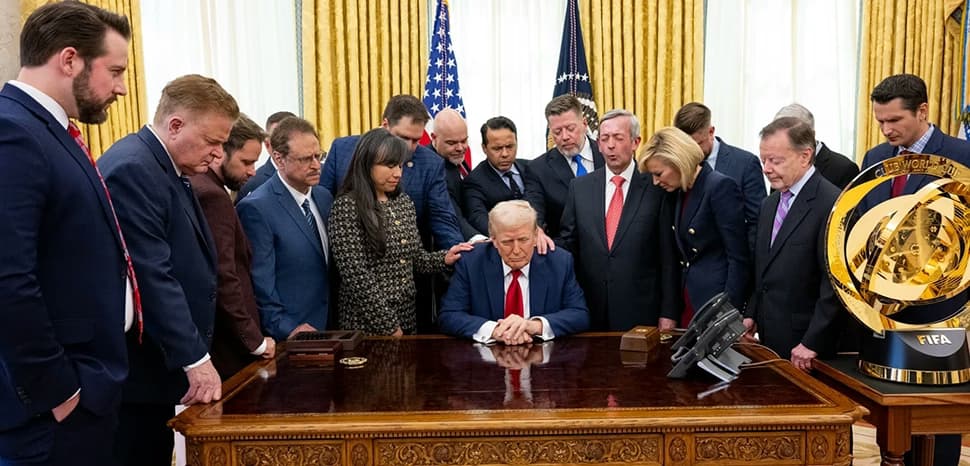
The intersection of theology and statecraft is not new to American foreign policy, but the recent narrative emerging from the Pentagon presents a profound shift. This article explores the implications of religious language in military strategy, examining its historical roots and current manifestations.
The Resurgence of Holy War Narratives
There is a moment when statecraft intertwines with something more profound than mere national interest. This fusion has surfaced prominently during the Trump administration's actions towards Iran. In a striking Easter Monday press conference, U.S. Secretary of War Pete Hegseth linked a military operation in Iran to the resurrection of Jesus Christ. This wasn't just metaphorical; it was a deliberate theological framing.
Shortly after, President Trump endorsed this view, stating, "God supports the war." Such rhetoric suggests a shift from viewing religious underpinnings as mere cultural background to central tenets of military justification.
Historical Context of Religious Framing in U.S. Policy
The use of religious language in U.S. foreign policy is not unprecedented. Scholars like Andrew Preston have highlighted the deep-seated influence of Christianity on American statecraft over centuries. From Woodrow Wilson's Calvinist vision of a Liberal International Order to Ronald Reagan's theological condemnation of the Soviet Union as an "evil empire," religion has often underpinned strategic thinking.
However, these religious overtones typically remained subtle. What distinguishes the current scenario is their overt and unabashed presence in official discourse, marking a potential shift in how military actions are justified.
Implications of a Sacred Military Narrative
The danger of framing military operations as sacred missions is multifaceted. It risks eroding the usual tools of statecraft, such as diplomacy and strategic recalibration. When actions are seen as divinely sanctioned, the room for doubt or restraint diminishes significantly.
Historically, the Crusades serve as a cautionary tale. The fusion of just war theology with sacred mission led to campaigns of extreme violence, often sustained beyond rational strategic logic. The 1099 sack of Jerusalem, justified as a prophetic fulfillment, exemplifies the potential consequences of such narratives.
Modern Consequences and Strategic Risks
In today's geopolitical landscape, the blending of divine mission with military strategy poses substantial risks. The narrative, as advanced by figures like Pete Hegseth, suggests that American soldiers are fulfilling a divine mandate. This viewpoint not only complicates diplomatic relations but may also embolden more extreme military actions under the guise of divine sanction.
The institutional support for this narrative within the Pentagon, highlighted by Hegseth's vision of reclaiming the military for "warrior Christianity," underscores the ideological shift. Such framing could lead to a dangerous precedent where military endeavors are seen as acts of divine will, leaving little room for traditional checks and balances.
Conclusion: Navigating the Future
As these narratives gain prominence, it is crucial for policymakers, scholars, and the public to critically assess their implications. A return to a more balanced discourse that respects the separation of religious conviction from statecraft is essential to prevent the potential for unchecked military aggression. Understanding these dynamics is vital for navigating future conflicts and ensuring that strategy remains grounded in pragmatic, rather than theological, reasoning.