Category:
Conflicts & SecurityIllusory Security in Ukraine: Lessons from History
Unraveling the Illusion of Security
In the intricate web of international diplomacy, security guarantees often appear as a beacon of hope for conflict resolution. However, history reminds us that these assurances can sometimes be illusory, offering only a veneer of stability. As the Ukraine war rages on, diplomats are tasked with crafting a security framework that not only halts the current conflict but also prevents future hostilities.
Understanding the lessons from past settlements is crucial in navigating this complex landscape. The Treaty of Guarantee (1960) and the Egypt-Israel Peace Treaty (1979) offer valuable insights into the challenges and opportunities of crafting lasting peace agreements.

Lessons from Cyprus: The Treaty of Guarantee
The Treaty of Guarantee, signed in 1960, was a bold attempt to ensure peace in Cyprus. It involved Greece, Turkey, and the United Kingdom, aiming to safeguard Cyprus's independence and territorial integrity. The agreement also introduced a power-sharing system between Greek and Turkish Cypriots, a novel approach to maintaining harmony.
However, the Cyprus model highlights several pitfalls:
- Opposed Interests: The treaty's effectiveness was hampered by the conflicting interests of the guarantors. The United Kingdom often prioritized its strategic interests over robust defense of the power-sharing agreement.
- Enforcement Challenges: Without aligned interests among guarantors, the treaty's enforcement was weak, leading to a gradual erosion of the agreement's original intent.
The Cyprus experience suggests that for Ukraine, guarantors must share aligned interests and commitment to enforcement to avoid similar pitfalls.
The Egypt-Israel Peace Treaty: A Model of Success?
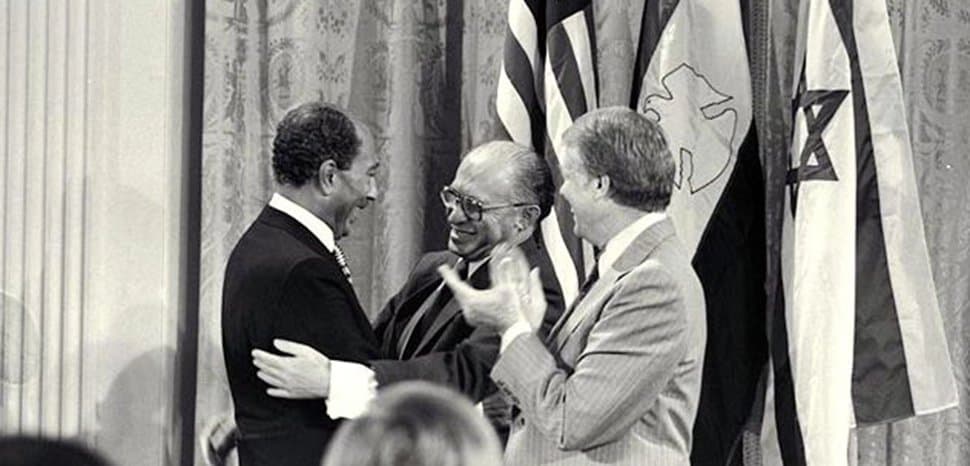
The Egypt-Israel Peace Treaty of 1979 stands out as a successful example of conflict resolution. Israel's withdrawal from the Sinai Peninsula and Egypt's restoration of sovereignty marked a significant step toward peace. The agreement established diplomatic relations and mutual recognition, laying the groundwork for lasting peace.
Key factors contributing to its success include:
- Bilateral Commitment: Both parties were committed to the agreement, supported by the United States' strategic backing.
- Independent Monitoring: The establishment of the Multinational Force & Observers (MFO) ensured impartial monitoring, bypassing potential UN Security Council vetoes.
- Economic and Military Support: Sustained U.S. assistance bolstered confidence in the treaty's viability.
Designing a New Security Architecture for Ukraine
Drawing from these historical precedents, any security framework for Ukraine should consider:
- Aligned Guarantors: A coalition of European states and partners committed to enforcing the agreement.
- Automatic Enforcement Mechanisms: Clear triggers for sanctions or aid, reducing reliance on discretionary goodwill.
- Independent Monitoring: A non-UN treaty-anchored monitoring body to ensure compliance without political interference.
The goal is to create a robust security architecture that addresses the root causes of conflict while minimizing the risk of future disputes.
Conclusion: Charting a Path Forward
The quest for peace in Ukraine is a formidable challenge, requiring a delicate balance of diplomacy, strategic interests, and historical insights. By learning from past successes and failures, we can craft a security framework that not only ends the current conflict but also lays a foundation for lasting peace.
The lessons from Cyprus and the Egypt-Israel Peace Treaty underscore the importance of aligned interests, robust enforcement, and independent monitoring. As diplomats and policymakers grapple with the complexities of the Ukraine war, these historical insights provide a roadmap for achieving a durable peace.
In the end, the real test lies in the ability to navigate the intricate dynamics of international relations, crafting a security architecture that truly serves the interests of all parties involved.