Category:
Conflicts & SecurityIran Conflict Exposes Cracks in Western Sanctions
The Unseen Front in the Iran War
The conflict involving the United States, Israel, and Iran is revealing cracks in the Western sanctions front that few anticipated. Initially framed as a regional security operation, the war has caused significant disruptions in global energy markets, forcing Washington to adopt a more flexible sanctions approach. This article delves into the strategic implications and the broader geopolitical impact of these shifts.
Energy Markets in Turmoil ⚡️
As military tensions rise, the global energy market is feeling the strain. Oil prices have surged beyond $100 a barrel, largely due to the paralysis of the Strait of Hormuz, a critical chokepoint for global oil supply. In response, the U.S. issued a 30-day waiver allowing countries to purchase Russian oil, a move intended to stabilize markets but criticized by European allies.
Reactions from Europe 🇪🇺
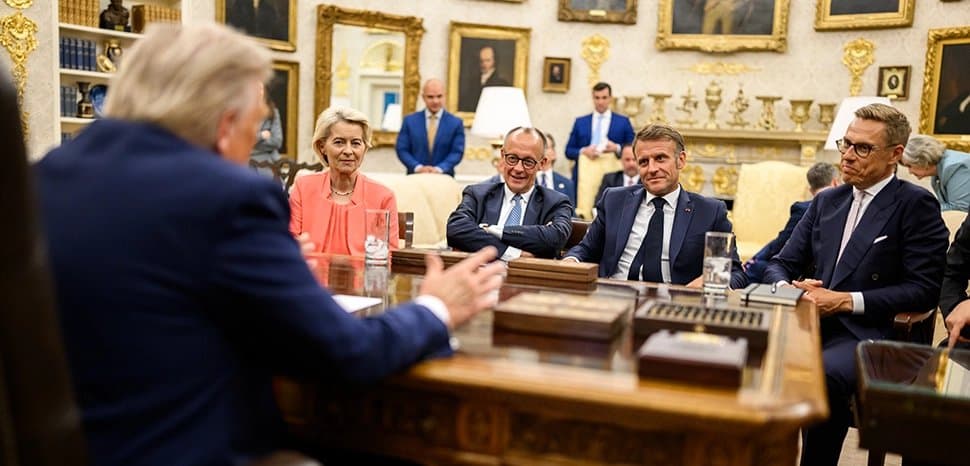
European leaders have been vocal in their disapproval of the U.S. waiver. French President Emmanuel Macron, among others, has criticized the decision, arguing that it undermines the sanctions against Russia. This discord illustrates a growing fracture within Western alliances, as economic strategies clash with military objectives.
Strategic Implications of Sanctions Flexibility
Sanctions aim to maintain economic pressure consistently, but the current situation highlights their fragility. As the Iran conflict escalates, the need for economic flexibility becomes apparent. This flexibility, however, raises questions about the West's ability to sustain a coherent sanctions strategy.
Broader Geopolitical Consequences 🌍
The Iran war is now more than a regional issue; it's a global concern affecting alliances and strategic policies. The U.S.'s emergency measures demonstrate a shift from strategic coherence to strategic improvisation. This shift may have long-term implications for Western credibility and influence.
The Role of European Allies
Europe is caught in a difficult position, balancing its commitment to sanctions with the economic realities of the conflict. The continent is being asked to support a war in the Middle East while adjusting its policies towards Russia, a challenging task that underscores the complexities of international relations.
Conclusion: A Fractured Front?
As the Iran conflict continues, the fragility of the Western sanctions regime becomes increasingly evident. The waiver issued by Washington may be a temporary measure, but it signifies a deeper strategic substitution that could reshape geopolitical alliances.
The ongoing war is a reminder that military engagements can quickly outpace strategic intentions, leading to unforeseen economic and political consequences. The West's ability to sustain its sanctions front without compromising its broader strategic goals remains uncertain, posing a significant challenge for future policymaking.