Category:
Conflicts & SecurityIran's Evolving Deterrence Strategy Unveiled
Understanding Iran's Strategic Shift
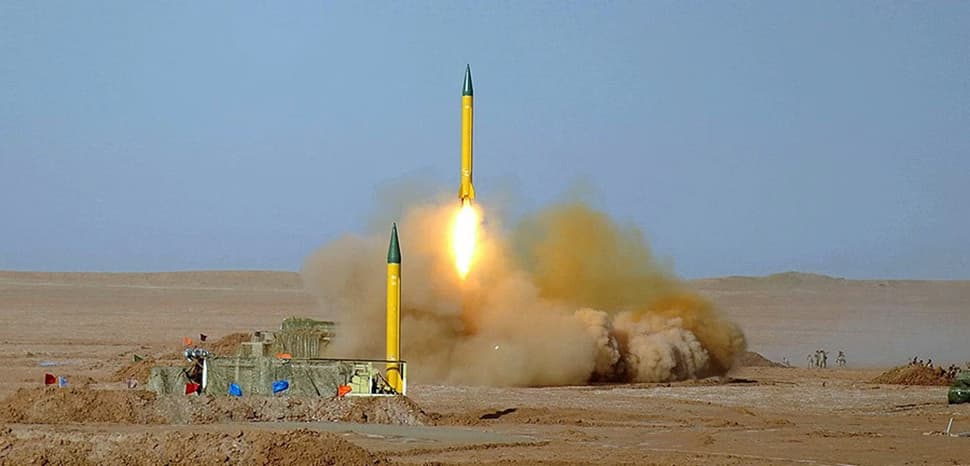
In a region fraught with tension and geopolitical maneuvering, Iran’s recent missile strike against northern Israel marks a pivotal moment. This action, the first since the ceasefire in April 2026, is not merely a retaliation but a strategic signal that Iran’s deterrence strategy is undergoing significant evolution. 🎯
The Message Behind the Missile
While the physical damage from the missile attack was minimal, the strategic implications are profound. Iran’s decision to respond to Israeli strikes on Hezbollah-linked targets reveals a shift from its traditional ambiguity to a more assertive stance. Historically, Iran has relied on regional proxies to project power while maintaining plausible deniability. This strike suggests a broader scope for direct retaliation, indicating that Tehran views attacks on its proxies as direct threats to its strategic interests.

Broader Geopolitical Implications
The implications of this strategic shift extend beyond the immediate region. Iran's evolving posture could reshape Israel’s deterrence strategies, forcing Israeli leaders to navigate complex decisions about military responses. A miscalculation could lead to a broader conflict, increasing regional instability. Iran's actions also serve a dual purpose: reinforcing domestic morale under economic sanctions and demonstrating resilience to regional allies. 📈
A New Era of Diplomacy and Coercion
Iran’s contemporary strategy blurs the lines between diplomacy and military signaling. Engaging in missile strikes while participating in diplomatic negotiations with the US highlights Iran’s nuanced approach. This dual strategy challenges Western policymakers’ assumptions that military pressure and diplomacy are separate phases of statecraft. Tehran’s message is clear: regional issues like those in Lebanon, Yemen, and Iraq are inseparable from larger geopolitical negotiations, including nuclear talks and economic sanctions. 🌐
Strategic Risks for Israel
For Israel, the strike presents a dilemma. A proportional response is necessary to maintain deterrence without escalating into full-scale conflict. Israel's strategic calculus involves balancing acts—reasserting deterrence while mitigating the risk of wider regional escalation. The stakes are high, with potential impacts on Israel's security posture and its alliances.
Conclusion: Navigating a New Geopolitical Landscape
As Iran redefines its deterrence strategy, regional and global actors must recalibrate their approaches. The evolving dynamics underscore the complexity of Middle Eastern geopolitics where military actions are intertwined with diplomatic efforts. The path forward will require nuanced strategies that consider both immediate tactical responses and long-term geopolitical shifts. 🔍
In this rapidly changing environment, staying informed is crucial. The stakes are high, and the outcomes uncertain, but understanding these strategic shifts provides a clearer picture of the evolving geopolitical chessboard.