Category:
Conflicts & SecurityJapan's Intelligence Evolution: A Sixth Eye Emerges
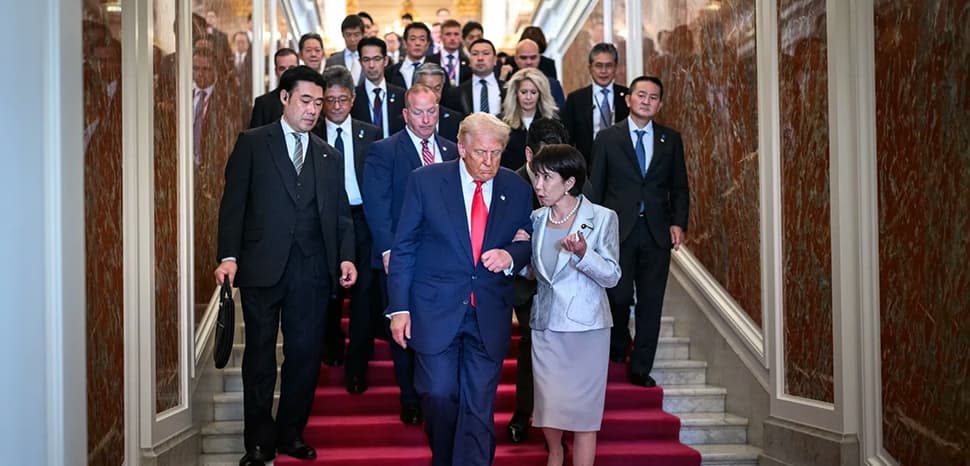
In recent years, Japan has embarked on a significant transformation in its intelligence capabilities. This shift, marked by the establishment of a National Intelligence Agency, represents a pivotal moment in the nation's strategic posture, potentially positioning Japan as a key player in global intelligence networks. 📊✨
The Dawn of a New Era
Japan's cabinet approved crucial legislation on March 13, paving the way for the creation of a National Intelligence Council and a National Intelligence Agency. This restructuring marks the most significant change in Japan's intelligence architecture since the inception of the Cabinet Intelligence and Research Office (CIRO) in 1952. Under Prime Minister Sanae Takaichi's leadership, this initiative is expected to pass smoothly through the Diet, where the Liberal Democratic Party holds a supermajority. The implications of this move extend beyond national borders, influencing Japan's role on the global stage. 🌍🗺️
Historical Context and the Need for Change
For decades, Japan's intelligence operations have been largely decentralized, relying heavily on intelligence shared by the United States. This fragmented model was adequate during predictable threat scenarios and when US intelligence had ample resources to support Japan. However, the evolving global threat landscape necessitates a more unified and autonomous intelligence framework.
Currently, the CIRO acts as a central hub in theory, yet lacks the authority to enforce inter-agency collaboration. Various agencies like the Ministry of Foreign Affairs, Defense Intelligence Headquarters, and the Public Security Intelligence Agency operate independently, leading to inefficiencies and a lack of cohesive strategy. This decentralization has resulted in inter-agency competition and a safeguarding mentality, which hampers effective intelligence sharing. 🔍🤝

Japan's Intelligence Aspirations
The creation of a centralized National Intelligence Agency aims to address these challenges by fostering cooperation among the various intelligence bodies. This reform is expected to enhance Japan's ability to gather and analyze intelligence, strengthening its national security and global standing.
The Global Intelligence Landscape
Japan's move mirrors trends seen in other nations, notably the Five Eyes alliance, which includes the United States, United Kingdom, Canada, Australia, and New Zealand. These countries have long benefited from a collaborative intelligence-sharing framework that enhances their collective security. With Japan potentially becoming a "Sixth Eye," the global intelligence landscape could experience a shift, opening new avenues for cooperation and strategic alliances. 🌐🤔
Challenges and Opportunities
Despite the promising outlook, Japan faces several challenges in reforming its intelligence apparatus. Historically, Japan's human intelligence efforts abroad have been limited and often ineffective. Previous attempts to establish a robust foreign intelligence presence have resulted in setbacks, such as the arrest of Japanese citizens acting as agents in China without proper training.
However, with a concerted effort to develop a comprehensive training and operational framework, Japan can overcome these hurdles. By investing in technology, talent acquisition, and international collaboration, Japan has the opportunity to build a world-class intelligence agency that is both efficient and influential.
Conclusion: A Strategic Shift
In conclusion, Japan's initiative to revamp its intelligence system marks a strategic shift in its approach to global security. As Japan strengthens its intelligence capabilities, it not only enhances its national security but also positions itself as a vital player in international intelligence networks. This evolution towards becoming a "Sixth Eye" could redefine Japan's role in global affairs, fostering new partnerships and reinforcing its commitment to peace and stability. 🔍🌟
Moving forward, the world will be watching closely to see how Japan navigates the challenges and opportunities of this transformation, shaping its intelligence future and contributing to a more secure global community.