Category:
Conflicts & SecurityM23, Minerals & Geopolitics in Eastern DRC
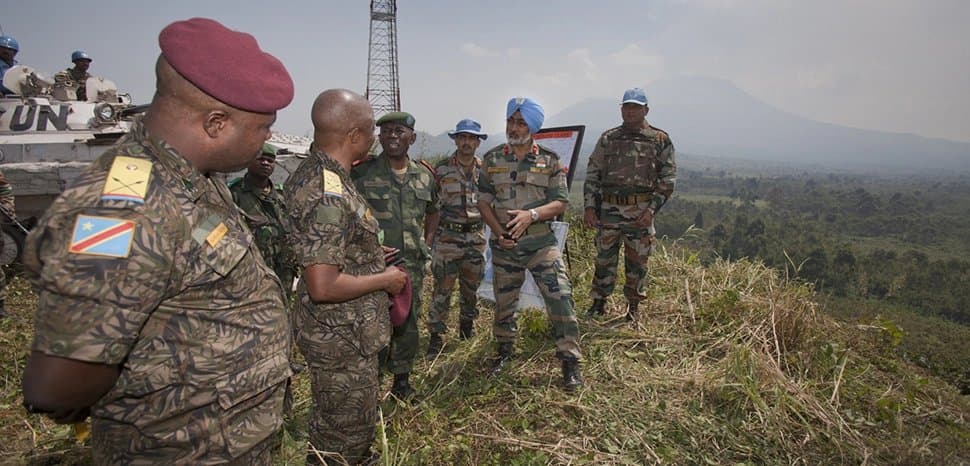
The Eastern Democratic Republic of the Congo (DRC) is plagued by a complex web of conflicts, minerals, and geopolitical machinations that threaten regional stability. At the heart of this turmoil is the resurgence of the M23 rebels, a group with alleged support from Rwanda, which has amplified the security crisis in North and South Kivu provinces. ⚔️🌍
Unearthing the Roots of Conflict
The DRC is home to vast mineral deposits, including coltan, gold, tin, and tungsten, making it a focal point for both economic opportunity and violent conflict. The struggle for control over these valuable resources has perpetuated a cycle of violence, as armed groups finance their operations through illicit trade networks. This competition has left over 7.3 million people internally displaced, with civilian safety continuously jeopardized. 📉

The M23 Insurgency and its Impact
In January 2025, the M23 rebels launched a significant offensive, capturing Goma, the capital of North Kivu. By February, they had expanded into Bukavu, further consolidating control over critical trade routes. This escalation of violence in Masisi and Lubero territories displaced over 100,000 civilians, underscoring the fragility of the region. The conflict continues despite diplomatic efforts to broker peace. 🤝
Diplomatic Endeavors and Challenges
Qatar, with assistance from the United States, has attempted to mediate the conflict, facilitating ceasefire talks between the Congolese and Rwandan presidents. However, these diplomatic engagements have not yet translated into tangible improvements on the ground. Persistent violations and external influences continue to undermine trust and stability. 🌐
Humanitarian Crisis and Economic Decline
The humanitarian situation in Eastern DRC is dire. Flooding in Tanganyika Province in April 2025 exacerbated the crisis, displacing an additional 10,000 people. Overcrowded displacement sites struggle to provide basic needs, increasing the risk of diseases and malnutrition. The conflict's impact on the economy is evident, with the GDP declining by 8.6% in 2023 and 6.5% in 2024. 📊
The Role of International Peacekeeping
Despite the presence of the United Nations peacekeeping mission MONUSCO, local trust is waning due to its limited success in curbing violence. Armed groups control nearly 20% of Congolese land, highlighting the challenge of restoring state authority. The World Bank forecasts only a slight economic recovery by 2027 without significant improvements in ground-level conditions. 🛡️
Conclusion: A Path Forward
The path to stability in Eastern DRC lies in robust diplomatic enforcement, improved civilian protections, and comprehensive economic reforms. International collaboration must focus on creating sustainable political cohesion and addressing the root causes of conflict. Only then can the cycle of violence be broken, and the DRC's potential harnessed for the benefit of its people. 🌟
Key Takeaways:
- The M23 rebellion is fueled by competition over mineral-rich territories.
- Diplomatic efforts are ongoing but face significant hurdles.
- Humanitarian conditions remain critical, with millions displaced.
- Economic recovery depends on stabilizing mining areas and governance reforms.
For a deeper understanding of the unfolding situation and its implications, stay informed with geopolitical analysis and updates.