Category:
Conflicts & SecurityNarrative at Arms: Media Control in Iran War
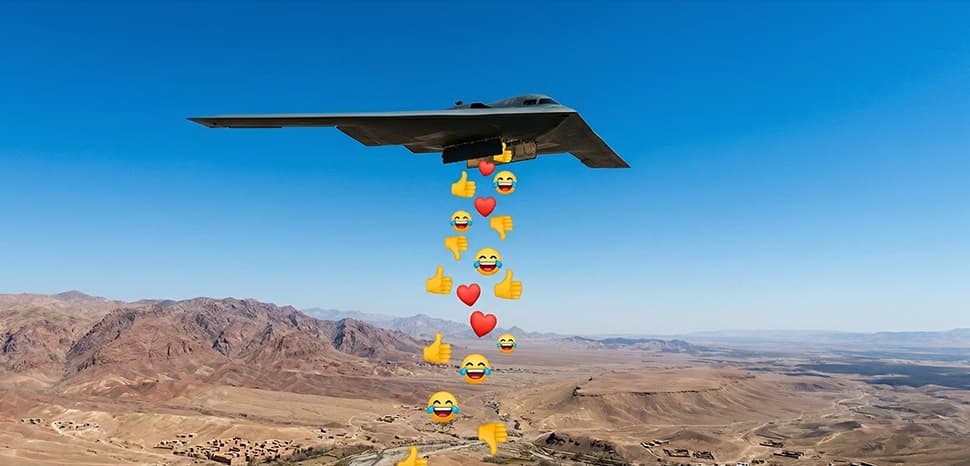
The complex interplay of narrative, media control, and framing in the Iran war has sparked intense debate and scrutiny from analysts, journalists, and policymakers alike. As the conflict unfolds, understanding these dynamics is crucial for comprehending the broader geopolitical landscape and the implications of media manipulation.
The Role of Narrative in Modern Warfare 📖
In the age of information, narrative has become a powerful weapon. The Iran war, often termed a 'US–Israel war with Iran,' highlights this reality. Secretary of Defense Pete Hegseth has been a central figure in shaping public perception, striving to control the narrative by challenging media portrayals that diverge from the government's preferred storyline.
Hybrid Warfare and Media Framing ⚔️
This conflict is characterized by a blend of indirect and hybrid warfare strategies. Unlike traditional wars, it lacks a formal declaration, making the control of information and framing of events even more critical. The absence of clear operational boundaries complicates public understanding, allowing narrative construction to shape perceptions significantly.
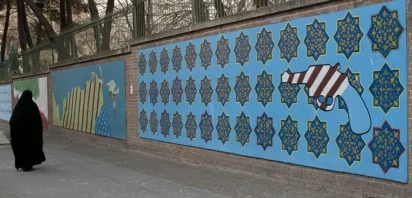
Hegseth's Media Strategy: Rewriting Headlines 📰
Hegseth's approach involves more than just rhetoric. By offering alternative headlines and dismissing certain media reports as 'fake news,' he seeks to influence not only battlefield perceptions but also the broader discourse surrounding the conflict. This strategy reflects a broader attempt to manage public opinion during a time when media fragmentation and polarized views are prevalent.
The Indexing Theory in Practice 📊
The concept of indexing, as proposed by Daniel C. Hallin, provides a useful lens through which to view Hegseth's actions. According to this theory, media coverage often mirrors the spectrum of debate among political elites. By narrowing this spectrum, Hegseth's efforts effectively limit the diversity of perspectives presented to the public, compressing the boundaries of acceptable discourse.
Manufacturing Consent and Media Manipulation 🕵️
Drawing parallels with Noam Chomsky and Edward S. Herman's 'manufacturing consent' model, Hegseth's tactics emphasize the dual nature of media control: structural pressures and direct rhetorical influence. His overt attempts to shape media output underscore how narrative control operates both subtly and explicitly in wartime.
Legal Challenges and Press Freedom ⚖️
The tension between government narrative control and press freedom has not gone unnoticed. A recent federal court ruling deemed certain Pentagon measures unconstitutional, reaffirming the importance of independent journalism. This ruling highlights the ongoing battle over who gets to tell the story and how it is told.
The Human Cost and Moral Considerations 🤔
Hegseth's criticism extends to media focus on military casualties, which he argues damages the administration's image. This stance has provoked backlash from commentators who assert that acknowledging the human cost is essential to public discourse. The interplay between patriotism and critical reporting remains a contentious issue.
Direct Communication with the Public 📣
By positioning himself as speaking directly to the American people, Hegseth bypasses traditional journalistic mediation. This strategy appeals to a segmented audience, emphasizing a narrative of patriotism and direct engagement with the public, further complicating the media landscape.
Conclusion: The Future of Narrative Control 🔮
As the Iran war continues, the struggle over narrative control will undoubtedly persist. Understanding these dynamics is essential for navigating the complexities of modern warfare and media influence. As policymakers, journalists, and citizens grapple with these issues, the importance of a diverse and independent press becomes ever more critical in shaping informed public opinion.