Category:
Conflicts & SecurityReassessing Rearmament: Germany & Japan's Security
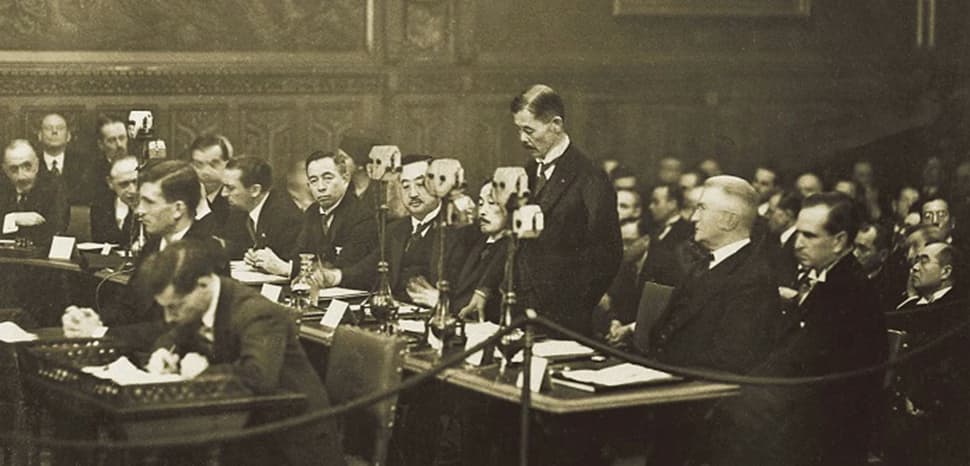
In an era marked by shifting geopolitical dynamics, the rearmament of Germany and Japan has become a topic of significant debate. Both countries are navigating a complex security landscape, balancing historical sensitivities with contemporary realities. This article delves into the nuances of their defense policies, examining how each nation is adapting to new security challenges.
Germany's Modern Defense Strategy 🇩🇪
Germany has long been a pivotal player in European security. As the continent grapples with new threats, especially following Russia's actions in Ukraine, Germany's defense posture is undergoing a transformation. The country's defense budget is set to increase significantly, from €82.7 billion in 2026 to €105.8 billion in 2027, marking a substantial shift from previous years.
The Bundeswehr, Germany’s military force, operates under the principle of a 'parliamentary army,' which means any military deployment requires approval from the Bundestag. This ensures that Germany's defense policies are not only strategic but also democratic, reflecting the country's commitment to transparency and accountability. Germany's increasing role within NATO underscores the importance of collective defense, as European nations strive for greater autonomy in security matters.
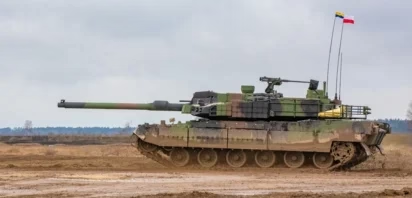
Japan's Strategic Repositioning 🇯🇵
Japan's defense strategy is equally intriguing, shaped by a distinct set of regional challenges. The country's proximity to China and the Korean Peninsula necessitates a robust defense policy. With China's military modernization and assertiveness, and North Korea's missile developments, Japan is reassessing its security needs.
Japan's Self-Defense Forces (SDF) operate under constitutional constraints, primarily framed by Article 9, which restricts military engagement. However, recent policy shifts indicate a more proactive stance, focusing on deterrence and self-defense. Despite these adjustments, Japan remains cautious regarding military expansion, reflecting public sentiment and historical context.
Historical Context and Contemporary Implications 📜
The term 'rearmament' often evokes memories of the aggressive militarization seen in Nazi Germany and Imperial Japan. However, contemporary policies in both countries diverge significantly from these historical precedents. Both Germany and Japan are stable democracies, integrated into global networks and committed to maintaining the international order.
Their defense policies are not driven by expansionist ambitions but by the necessity of adapting to evolving threats. This distinction is crucial, as it highlights the responsible nature of their rearmament efforts, aimed at ensuring national and regional security rather than pursuing aggressive military objectives.
The Role of International Alliances 🌍
Both nations are deeply embedded in international alliances, which shape their defense strategies. Germany's involvement in NATO and the European Union underscores its commitment to collective security, while Japan's alliance with the United States remains a cornerstone of its defense policy. These partnerships are vital, providing both countries with strategic support and reinforcing their roles as responsible global actors.
Conclusion: Navigating the Future 🔍
As Germany and Japan continue to navigate the complexities of modern security policy, their actions will have significant implications for global geopolitics. Both nations are redefining their roles on the world stage, balancing historical legacies with contemporary necessities. Understanding these dynamics is essential for appreciating the broader trends in international relations and security affairs.
In conclusion, the rearmament of Germany and Japan is not a mere return to the past but a strategic adaptation to a rapidly changing world. As they strengthen their defense capabilities, they remain committed to peace and stability, setting an example for other nations facing similar challenges.