Category:
Conflicts & SecurityRisks Loom Over Iran Ceasefire Agreement
The recent ceasefire agreement between Iran and the United States reflects a fragile truce that could unravel at any moment. As global markets and geopolitical analysts watch closely, the implications of this agreement stretch far beyond the immediate cessation of hostilities.
The Fragile Foundations of the Ceasefire 🎭
On the surface, the ceasefire provides temporary relief to global supply chains. Crucially, it allows for the transit of vital resources such as oil and LNG through the Strait of Hormuz. However, the underlying diplomatic and security tensions suggest a volatility that favors disruption over stability.
Iran's demands, which include full sanction relief and sovereignty over strategic regions, are unlikely to be fully accepted by the U.S. administration. These demands, while bold, are part of a broader strategy by Iran to leverage its position for economic reconstruction. The collection of tolls, paid in cryptocurrency, during the ceasefire period is one such strategic maneuver.
Iran’s Decentralized Defense Strategy 🛡️
Despite the ceasefire, reports of Iranian attacks, like the drone strike on Saudi Arabia’s East-West pipeline, highlight the challenges of Iran’s 'mosaic defense'. This decentralized approach complicates efforts at de-escalation, as autonomous actors within Iran can act independently, often in defiance of central diplomatic efforts.
The autonomous nature of these actors not only undermines the ceasefire but also opens the door for retaliatory actions from Israel. The Netanyahu administration remains committed to its strategic objectives, using the ambiguity surrounding Lebanon’s status in the ceasefire to justify military actions.
The Lebanon Conundrum 🕊️
Lebanon's ambiguous status under the ceasefire terms poses a significant threat to its durability. While some leaders claimed Lebanon was included, subsequent Israeli attacks contradicted this, indicating a complex geopolitical chess game. The U.S. administration's alignment with Israel further complicates the situation, with potential implications for a broader regional conflict.
Iran aims to solidify its role as Lebanon's benefactor, which could further strain the ceasefire. The strategic advantage gained through this positioning adds another layer of complexity to the already tenuous truce.
Strategic Implications for the United States 🇺🇸
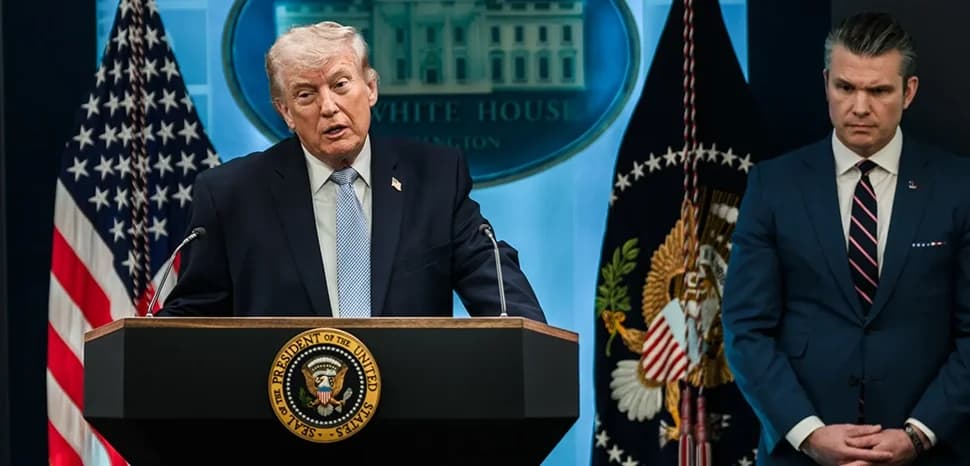
The conflict has starkly revealed the limitations of U.S. military power in the region. Despite initial aims for a regime change in Iran, the costs of the conflict have been substantial, affecting military assets and global economic stability. President Trump's recent claims of victory and future cooperation with Iran suggest a shift towards diplomacy, albeit under pressure to save face.
The war has led to significant economic fallout, necessitating months of recovery effort. The depletion of military resources, including advanced fighters and interceptors, underscores the profound impact of the conflict on U.S. strategic capabilities.
Conclusion: The Path Forward 🚀
As the ceasefire holds, albeit precariously, the international community watches with bated breath. The potential for renewed hostilities remains high, driven by unresolved demands and geopolitical rivalries. The coming weeks will be critical in determining whether diplomacy can prevail over conflict.
For now, stakeholders must navigate this unstable truce with caution, aware that the path to lasting peace is fraught with challenges. As tensions simmer beneath the surface, the lessons learned from this ceasefire could shape future diplomatic and military strategies in the region.