Category:
Conflicts & SecurityRussia's Industrial Limits and Strategic Power
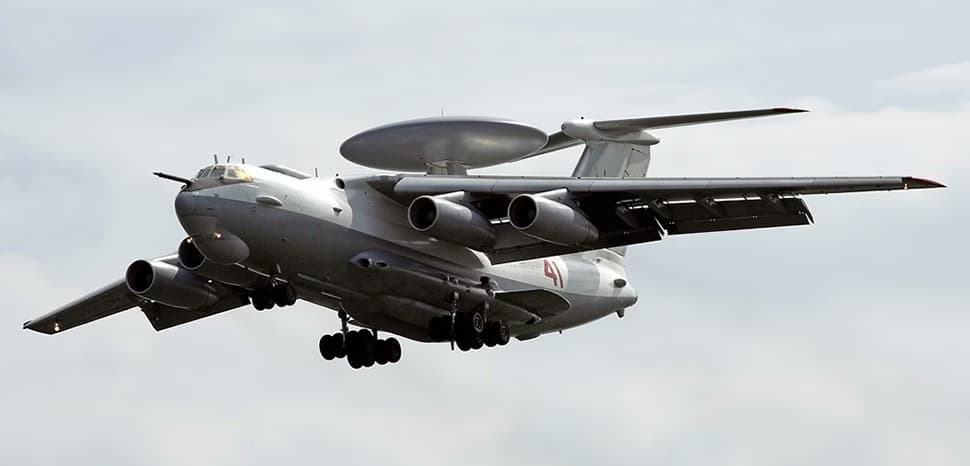
In recent years, Russia's military engagements have highlighted the country's industrial challenges in maintaining its strategic power. The ongoing conflict in Ukraine has exacerbated these issues, revealing significant gaps in Russia's ability to replenish its military hardware. This article delves into the complexities of Russia's military-industrial capabilities, the strategic implications, and what the future holds.
The Scope of Russia's Military Losses 🚀
Russia's involvement in Ukraine has resulted in staggering military losses. According to the open-source WarSpotting database, Russia has lost over 3,000 tanks, 8,000 infantry fighting vehicles, and 1,000 artillery systems, alongside numerous aircraft and naval assets. These losses raise critical questions about Moscow's capacity to replenish its arsenal under wartime constraints.
Industrial Capabilities and Limitations ⚙️
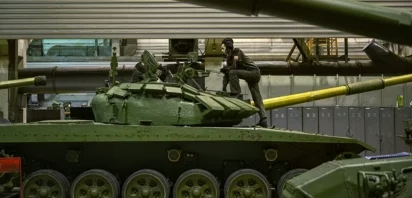
Despite these losses, Russia's defense industry still retains some capacity to produce certain types of military hardware. For instance, the production of the T-90M "Proryv" tanks continues at a high tempo, demonstrating Russia's ability to produce modern armored systems. Similarly, the production of BMP-3 infantry fighting vehicles has been ramped up to mitigate the loss of older BMP variants.
However, the production of more complex systems, such as the T-80 tank and Su-25 aircraft, is hampered by inactive production lines and technological challenges. The reactivation of these lines would require substantial investment and industrial reorganization, which Russia may not be willing or able to undertake.
Impact of Sanctions and Technological Challenges 🔧
International sanctions have further complicated Russia's ability to produce advanced military systems. The Palantin electronic warfare system, introduced in 2019, has suffered losses in the conflict, yet its production is constrained by dependencies on foreign microelectronics. The lack of access to these critical components hampers Russia's ability to replenish and expand its electronic warfare capabilities.
Strategic Implications and Future Prospects 🛡️
The uneven recoverability of Russia's military assets has strategic implications for its future power projection. As certain platforms become increasingly difficult to replace, Russia may need to rely more heavily on existing stocks and modernization programs. This could limit its ability to respond effectively to future conflicts and maintain its strategic influence.
In conclusion, while Russia retains some industrial capacity to produce military hardware, significant challenges remain. The ongoing conflict in Ukraine has exposed these vulnerabilities, highlighting the need for strategic adjustments to maintain its military power in the long term. The future of Russia's strategic power will depend on its ability to innovate and adapt to the changing geopolitical landscape.
Key Takeaways and Looking Forward 🔮
- Russia's military losses in Ukraine are substantial, stretching its industrial capabilities.
- Production continues for certain modern systems, but older platforms face production challenges.
- Sanctions and technological dependencies hinder the replenishment of advanced systems.
- Strategic adjustments are necessary to maintain Russia's future military power.
As the geopolitical landscape continues to shift, Russia's ability to navigate these challenges will determine its role on the global stage. The stakes are high, and the world will be watching closely as events unfold.