Category:
Conflicts & SecurityThe Iran War: Water Crisis Under Siege
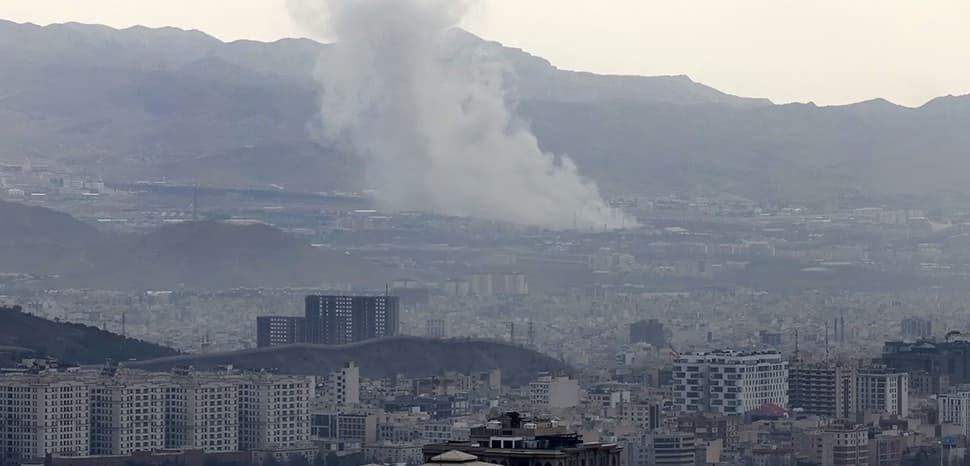
The Strategic Assault on Iran's Water Resources 🌊
In the complex tapestry of modern conflicts, water has emerged as a pivotal element of strategic warfare. Iran, a nation already grappling with severe water scarcity, finds its water infrastructure under siege. This orchestrated attack not only exacerbates the existing crisis but also poses a formidable threat to the country's stability.
The targeting of water infrastructure is not unprecedented in warfare. Historically, it has been a tactic used to weaken adversaries by crippling essential resources. In Iran's case, accusations have been directed at the US and Israel for striking key water facilities, such as desalination plants and pipelines. These attacks have disrupted water supplies for thousands, intensifying the hardship for a population already facing severe water shortages.

Legal Implications and International Law 📜
The intentional targeting of water infrastructure runs afoul of several international treaties and conventions. The UN Watercourses Convention and the Geneva List of Principles explicitly protect water resources during conflicts. Despite these legal frameworks, the strategic destruction of water facilities continues, highlighting a gap between international law and enforcement.
Iran's Precarious Water Situation 💧
Long before the current conflict, Iran's water crisis was a ticking time bomb. Predictions indicate a drastic decline in water availability, from 670 billion cubic meters in 2019 to approximately 540 billion by 2080. Meanwhile, demand is projected to surge by 30% due to population growth.
Iran's aquifers are severely overdrawn, with over 90% of its water supply allocated to agriculture, a vital sector contributing to both GDP and employment. Yet, inefficient water management and climate change exacerbate the crisis, pushing Iran towards "water bankruptcy," where water withdrawal exceeds the system's sustainable capacity.
Geopolitical Tensions and Regional Water Disputes 🌍
Iran's water woes are further complicated by regional disputes, particularly with Afghanistan. The Helmand River Treaty of 1973 aimed to resolve water allocation issues, but recent dam constructions in Afghanistan have escalated tensions. The completion of the Pashdan Dam has caused significant concern in Iran, leading to skirmishes along the border.
The Social and Political Fallout 🏛️
The water crisis has ignited social unrest across Iran. Protests have erupted over water mismanagement, with citizens blaming governmental inefficiency for the shortages. The situation is compounded by climate change, which is likely to worsen Iran's aridity, fostering further instability.
In 2025, widespread protests were fueled by a combination of water and electricity shortages, exacerbated by government austerity measures and economic turmoil. These protests underscore the critical intersection between environmental challenges and political stability.
A Call for Action 🚨
Iran's water crisis demands urgent attention and action. The government, led by President Masoud Pezeshkian, recognizes the gravity of the situation, even suggesting drastic measures such as relocating the capital. Addressing the water crisis requires comprehensive strategies focusing on sustainable management, regional cooperation, and robust infrastructure protection.
Conclusion: Navigating a Thirsty Future 🌐
The Iran war highlights the strategic significance of water as both a resource and a weapon. As climate change looms large, Iran's challenge will be to navigate these turbulent waters through innovation, cooperation, and resilience. The path forward is fraught with challenges, but with concerted efforts, it is possible to mitigate the dire consequences of water scarcity.
Ultimately, the international community must prioritize water security and establish stronger enforcement mechanisms to protect vital resources, ensuring that water remains a source of life, not conflict.