Category:
Conflicts & SecurityUkraine's Air Defense: Forged in Conflict
Introduction
In the heart of Eastern Europe, amidst the echoes of conflict, Ukraine's air defense systems have evolved into one of the most sophisticated networks globally. This transformation, spurred by necessity and strategic innovation, offers critical insights into modern warfare and defense strategies. 🌍✨
The Birth of a Modern Defense Network
Initially, Ukraine's air defenses were predominantly Soviet-built, consisting of systems like the S-300, Buk-M1, and Tor. These systems formed a layered defense capable of targeting various threats, from aircraft to missiles. Through the adoption of "shoot-and-scoot" tactics, Ukrainian forces effectively neutralized much of the Russian air threat.
Adapting Under Pressure
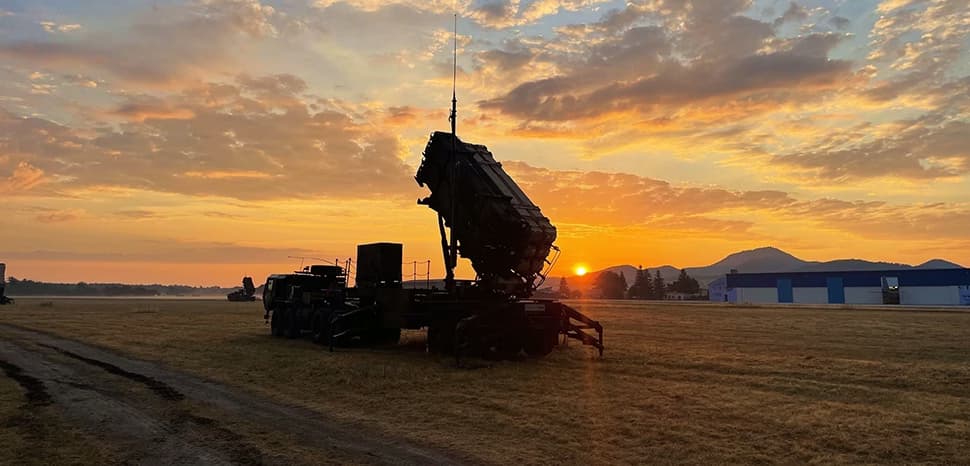
The early stages of the conflict highlighted Ukraine's vulnerabilities, particularly in terms of supply and manufacturing capabilities. Despite having a robust arsenal, the inability to produce interceptors and replace losses posed a significant risk. However, with Western assistance, Ukraine integrated advanced systems like the Patriot missile defense, enhancing its capabilities and ensuring sustained operational readiness.
Strategic Integration of Western Systems
Through 2022 and 2023, Ukraine received various Western defense systems, allowing the integration into a cohesive, multi-layered defense architecture. This strategic amalgamation not only bolstered Ukraine's defense but also provided a blueprint for modern air defense systems—a critical lesson for Western allies. 🛡️🔍
Overcoming Challenges
Despite advancements, Ukraine's air defenses continue to face challenges, particularly against faster ballistic missiles. The dependency on Western-made interceptors also underscores the need for indigenous production capabilities. Yet, the interception rate of over 91% for drones and other aerial threats marks a significant achievement.
Lessons for the Global Stage
Ukraine's air defense evolution offers several critical lessons for nations worldwide:
- Cost-Effective Warfare: By focusing on reducing cost asymmetries, Ukraine demonstrated how effective defense can be achieved without excessive spending.
- Adaptive Tactics: The use of mobile tactics like "shoot-and-scoot" showcases the importance of flexibility and innovation in modern warfare.
- International Cooperation: The integration of Western technologies highlights the benefits of international defense cooperation, especially in times of crisis.
Conclusion
As Ukraine continues to refine its air defense strategies, it sets a precedent for nations facing similar threats. The relentless drive for innovation and adaptation in the face of adversity underscores the resilience of Ukraine's defense forces and offers valuable lessons for global military strategies.
Looking forward, the ongoing development and strengthening of Ukraine's air defense system will remain a critical area of interest for geopolitical analysts and defense strategists worldwide. 🌟✈️