Category:
Economy & TradeUS-India Tariff Deal: A Sanction Strategy
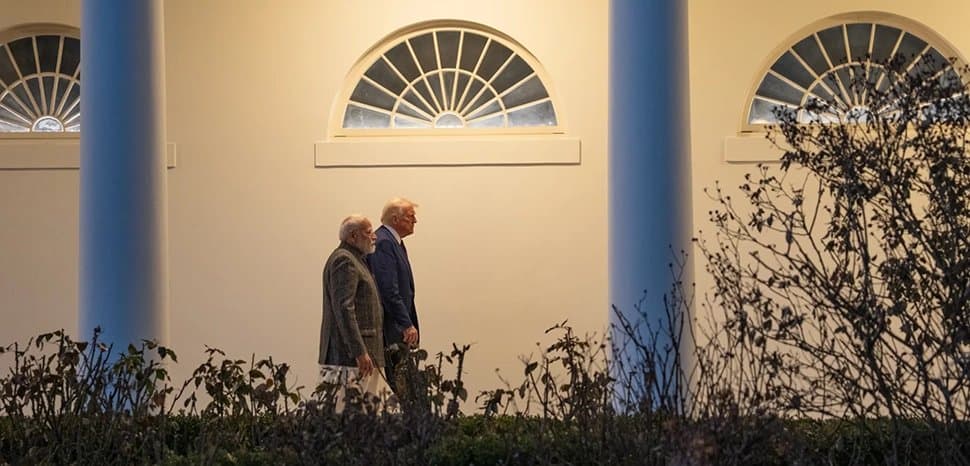
In a bold move by the United States and India, tariffs have become a strategic tool for enforcing sanctions. This new dynamic is reshaping international trade and diplomacy, particularly in the context of the US-India trade relations. Let's delve into how this strategy unfolds and its implications on global trade.
The Role of Tariffs in Sanction Enforcement
Tariffs have traditionally been used to protect domestic industries. However, in the US-India deal, they serve a dual purpose: promoting trade compliance and exerting geopolitical pressure. The US has effectively linked market access to India's compliance with sanctions against Russian oil imports.
A Strategic Trade Reset
The agreement, announced on February 6, marks a significant shift in US-India trade dynamics. By lifting the 25% tariff surcharge, the US has incentivized India to align its trade practices with American sanctions. This move is not just about economic interests but also about asserting political influence.
The Mechanics of Secondary Tariffs
Secondary tariffs act as a compliance bond, where reduced import duties are contingent upon a country's adherence to US sanction policies. This approach simplifies enforcement, bypassing the complexities of traditional sanctions which often involve financial intermediaries and intricate compliance programs.
Broader Implications and Challenges
This strategy is not without its challenges. The effectiveness of secondary tariffs hinges on the US's ability to monitor compliance. Given the complexities of global trade, such as deceptive shipping practices, enforcement requires sophisticated surveillance and verification mechanisms.
India's Position: A Delicate Balance
For India, the shift away from discounted Russian oil is fraught with geopolitical challenges. Maintaining a delicate balance between US expectations and its longstanding relationship with Russia is crucial. The ability to manage this transition without destabilizing domestic markets is a testament to India's diplomatic agility.
Future Prospects and Geopolitical Consequences
The use of tariffs as a sanction enforcement tool could set a precedent for future trade agreements. This approach may appeal to other nations seeking straightforward enforcement mechanisms. However, its success will largely depend on the global political landscape and the administration in power.
Key Takeaways
- Tariffs as Sanctions: The US-India deal highlights tariffs as a potent tool for sanction enforcement.
- Compliance Bond: Secondary tariffs simplify compliance monitoring, making them attractive to policymakers.
- Geopolitical Balancing Act: India must navigate its strategic alliances carefully to comply without alienating key partners.
In conclusion, the US-India tariff agreement represents a novel approach to sanctions enforcement, with potential ripple effects across global trade. As nations observe the outcomes, this strategy could redefine how economic and political goals are achieved in international relations.