Category:
Geopolitical AnalysisSovereignty, Airpower & Alliance Integration Limits
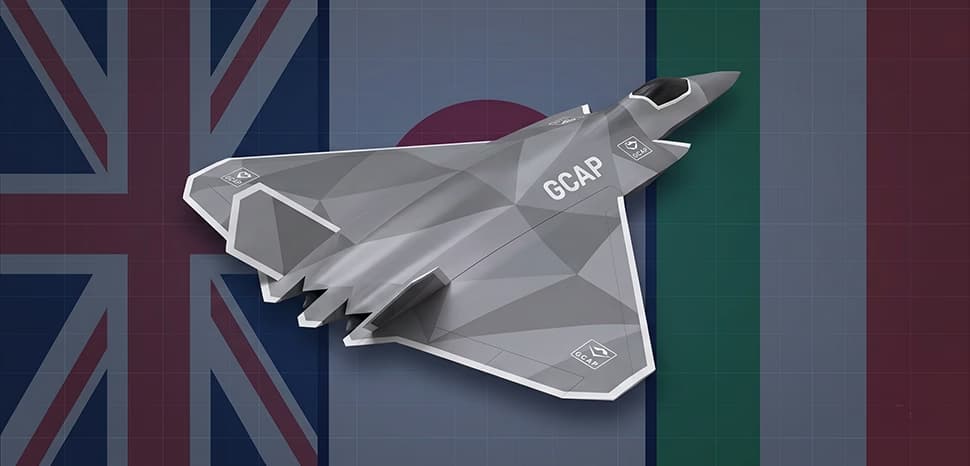
The nexus of sovereignty, airpower, and alliance integration defines the future of international security frameworks. As geopolitical tensions intensify, particularly in the Western Pacific, the balance between national sovereignty and collaborative defense becomes increasingly delicate.
The Complexity of Modern Airpower ✈️
In the evolving landscape of military technology, airpower remains a pivotal element of national defense strategies. However, the effectiveness of airpower is not solely dependent on advanced aircraft like the F-47 or the J-36. Instead, it hinges on the robustness of the support systems that sustain these platforms.

Beyond Aircraft: The Support System Challenge
Modern aircraft are part of a broader network involving satellites, communication systems, and logistics support. This network is susceptible to disruption, a strategy that China has been perfecting through anti-satellite weapons and electronic warfare capabilities. In scenarios where these systems are compromised, even the most advanced aircraft can lose their operational edge.
Strategic Vulnerabilities 🛡️
Geographic and Logistical Challenges
Key U.S. bases such as Andersen Air Force Base and Kadena Air Base are critical to any air campaign in a Taiwan conflict. These bases are strategic targets for the PLA Rocket Force, which has tailored its capabilities to neutralize them effectively.
The Taiwan Factor
Taiwan's air force faces significant constraints due to aging aircraft and limited runways, which have been meticulously studied by adversaries like China. In a conflict, Taiwan's air capabilities could be severely hampered, affecting allied intervention strategies.
Alliance Dynamics: Sovereignty vs. Integration 🤝
The Global Combat Air Programme (GCAP)
The GCAP, launched in 2022, illustrates the challenges of multinational defense projects. Differing national priorities and industrial constraints among the UK, Italy, and Japan have complicated its progress. These issues underscore the tension between maintaining national sovereignty and achieving effective alliance integration.
The Fate of FCAS
The Future Combat Air System (FCAS) faced similar hurdles, leading to its eventual dissolution. Divergent military requirements and national interests among France, Germany, and other participants highlighted the inherent challenges in collaborative defense initiatives.
Strategic Takeaways 🔍
- Resilience Over Parity: Ensuring the resilience of support systems is crucial, as platform parity may become irrelevant if these systems are compromised.
- Collaborative Challenges: Effective integration in defense alliances requires balancing national sovereignty with shared objectives.
- Preparedness for Disruption: Nations must anticipate disruptions to their military networks and develop strategies to mitigate their impact.
In conclusion, the limits of alliance integration and the strategic importance of airpower highlight the need for nuanced geopolitical strategies. As nations navigate these complexities, the emphasis must be on building resilient networks capable of withstanding evolving threats.
You May Also Like

Geopolitical Analysis
Saudi Arabia's Bold Minerals Strategy
July 1, 2026
Geopolitical Analysis
Strategic Challenges in Securing the Strait of Hormuz
June 30, 2026

Geopolitical Analysis
Myanmar: A Renewed Frontline in India-China Tensions
June 29, 2026

Geopolitical Analysis
Blue Tide Impact on Colombia's Geopolitics
June 28, 2026