Category:
Geopolitical AnalysisStrategic Challenges in Securing the Strait of Hormuz
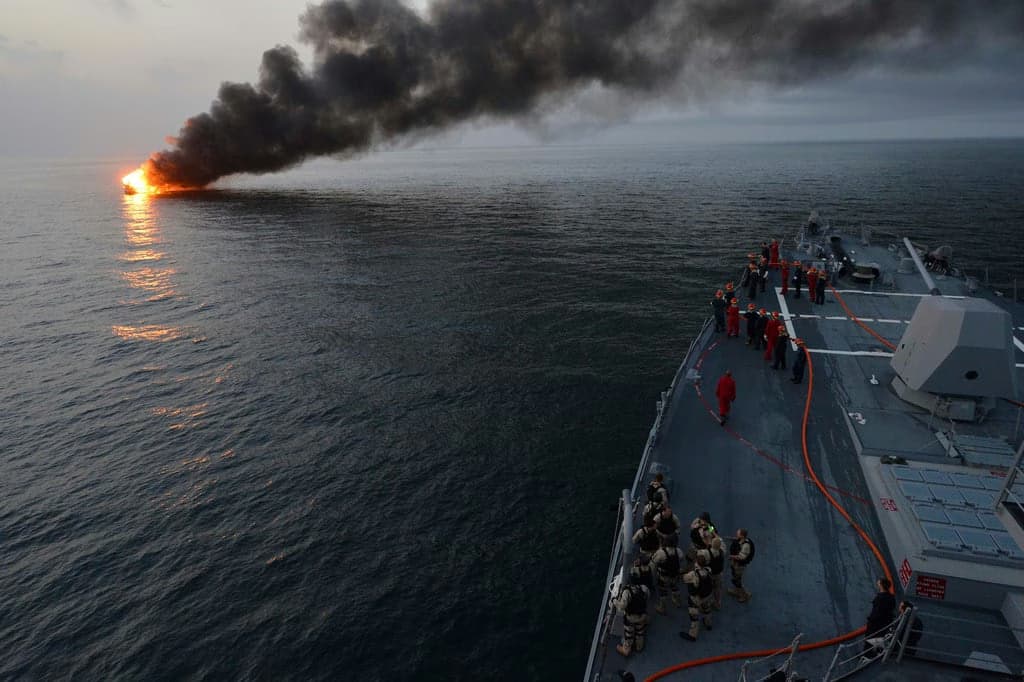
The Strait of Hormuz serves as a critical maritime chokepoint, handling approximately 20% of the world's petroleum transit. As geopolitical tensions ebb and flow, the strategic significance of this narrow waterway cannot be overstated. Recent events have highlighted the intricate balance of maintaining secure passage through these waters without escalating conflicts, particularly between the United States and Iran.
The Geopolitical Chessboard 🗺️
Iran's geographical positioning along the northern shore of the Gulf grants it significant leverage over the Strait of Hormuz. While the United States boasts superior naval capabilities, this does not automatically translate to strategic control. The presence of warships ensures a military deterrent but does not guarantee uninterrupted commercial flow.

Iran's Tactical Advantage 🎯
Iran's strategy hinges on sea denial rather than control. By employing a combination of shore-based missiles, drones, and mines, Iran can make transit through Hormuz risky and costly. This capability is sufficient to disrupt shipping, affecting global oil prices and insurance costs. Such threats do not need to culminate in a blockade to have significant economic repercussions.
Economic Implications and Global Stakes 💰
The Strait of Hormuz is not just a regional issue; it's a global concern. Any disruption affects energy markets worldwide, increasing costs and complicating logistics. This global economic interdependence means that the security of Hormuz is as much about maintaining international commerce as it is about military strategy.
The Role of Diplomacy 🤝
Diplomatic engagement is crucial in navigating the complexities of Hormuz. A maritime strategy that focuses solely on military presence without addressing broader political tensions will likely fall short. Effective diplomacy must address sanctions, communication breakdowns, and regional security perceptions.
Building a Sustainable Strategy 📈
A realistic approach requires a blend of deterrence and diplomatic engagement. This includes establishing reliable military-to-military communication channels, clear transit guidelines, and multilateral cooperation with Gulf states. Additionally, diplomatic efforts should aim to resolve underlying political issues that exacerbate tensions.
Conclusion: Navigating Future Challenges 🌍
The continued security of the Strait of Hormuz demands more than military might. It requires a comprehensive strategy that integrates military readiness with diplomatic finesse. By addressing the root causes of tension and fostering international collaboration, the United States can help ensure that this vital waterway remains open and secure, benefiting global commerce and stability.
You May Also Like

Geopolitical Analysis
Saudi Arabia's Bold Minerals Strategy
July 1, 2026
Geopolitical Analysis
Sovereignty, Airpower & Alliance Integration Limits
June 30, 2026

Geopolitical Analysis
Myanmar: A Renewed Frontline in India-China Tensions
June 29, 2026

Geopolitical Analysis
Blue Tide Impact on Colombia's Geopolitics
June 28, 2026