Category:
Geopolitical AnalysisAI Geopolitics: Beyond Hardware & Regulation
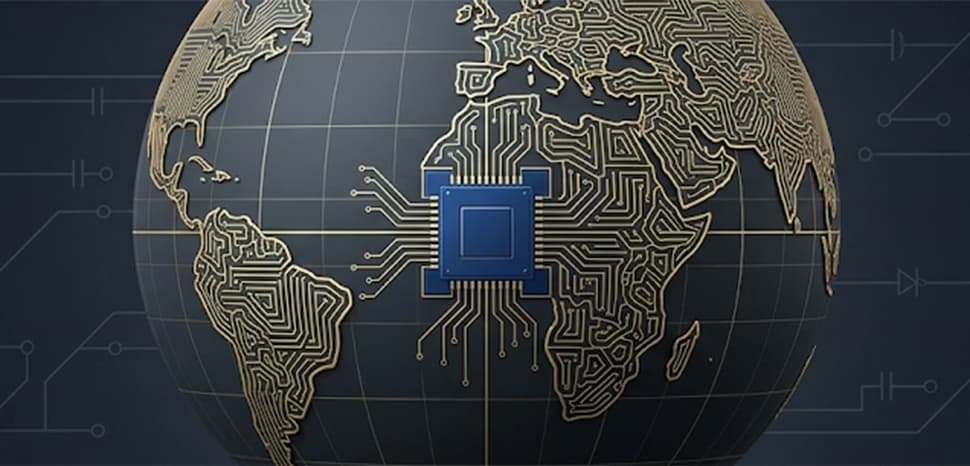
The dawn of artificial intelligence (AI) geopolitics is reshaping global power dynamics, extending beyond the visible hardware race into the nuanced realms of regulation and norms. 🌍✨ As AI continues to influence global relations, understanding these shifts is crucial.
The Illusion of Hardware Supremacy 🛠️
In the race to dominate AI, nations have primarily focused on tangible assets like chips and supply chains. However, this hardware-centric view overlooks the deeper layers of AI ecosystems, such as data governance and model behavior. The strategic imbalance this creates leaves key areas unregulated, posing significant risks.
Navigating Geopolitical Tensions 🤝
Recent geopolitical tensions, such as those near the Strait of Hormuz affecting helium flows, highlight the vulnerability of AI supply chains. These disruptions underscore the importance of robust regulatory frameworks that can adapt to such economic interdependencies.
Regulatory Ambitions vs. Enforcement Capacity
Countries like the United States and those in Southeast Asia, including Vietnam and Indonesia, face challenges in enforcing ambitious regulations due to limited enforcement capacities. The TikTok case exemplifies the geopolitical contest over data flows, showcasing the necessity for comprehensive, enforceable frameworks.
AI Regulation: A Public Interest Tool 🛡️
Regulation serves as a defensive measure to protect local markets, yet the dialogue between developers and policymakers remains fractured. Traditional forums often neglect the concerns of AI start-ups, leading to a misdiagnosis of issues related to tech ecosystem resilience.
The Role of AI Safety Benchmarks
The integrity of AI research is under scrutiny, as evidenced by the withdrawal of 795 peer reviews at the International Conference on Machine Learning 2026 due to improper use of language models. This incident highlights the need for robust standards that go beyond merely passing tests.
Emerging Trends in AI Geopolitics 🚀
Looking ahead, several trends are likely to shape AI geopolitics:
- Economic Diplomacy: Negotiations may decouple from AI concerns, with the EU's AI Act obligations not expected until 2027.
- Technology Diplomacy: AI diplomacy will bifurcate along industry lines, with distinct focuses on IT services and manufacturing.
Conclusion: Charting the Future of AI Geopolitics 🌐
As AI continues to evolve, so must our approach to its geopolitical implications. Investing in AI regulatory literacy and technical training is essential to developing effective policies. By addressing these challenges, nations can enhance their strategic autonomy and influence in the AI domain.
In the coming months, the global community must prioritize building resilient AI ecosystems that balance innovation with regulation. This strategic foresight will ensure that AI remains a tool for progress rather than a source of contention.
You May Also Like

Geopolitical Analysis
Saudi Arabia's Bold Minerals Strategy
July 1, 2026

Geopolitical Analysis
Strategic Challenges in Securing the Strait of Hormuz
June 30, 2026
Geopolitical Analysis
Sovereignty, Airpower & Alliance Integration Limits
June 30, 2026
Geopolitical Analysis
Myanmar: A Renewed Frontline in India-China Tensions
June 29, 2026