Category:
Geopolitical AnalysisAuthority Without Accountability: Global Impacts
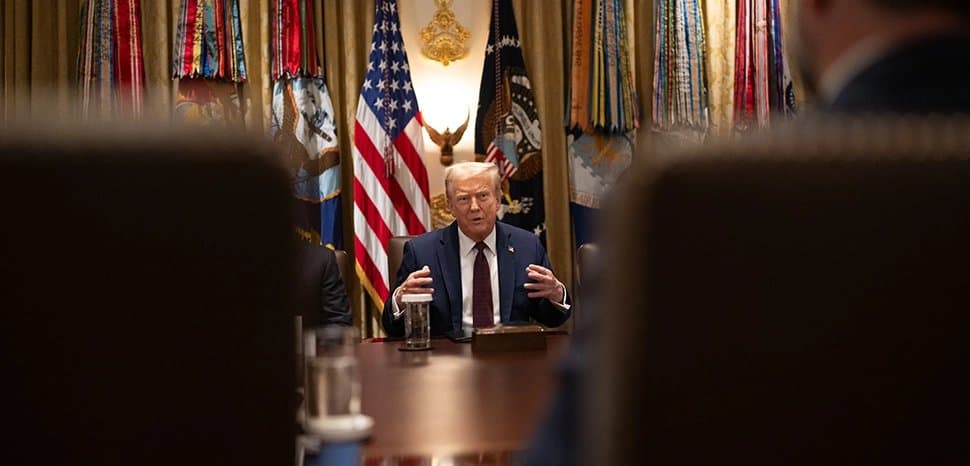
In recent years, the erosion of constitutional rights in the United States has become a pressing issue, both domestically and internationally. The trend of authority without accountability is reshaping global dynamics, embodying a shift towards governance that prioritizes power over principles. This phenomenon is not only altering the landscape of American politics but also influencing international relations.
Domestic Turmoil and Policy Shifts 🌍
The U.S. has historically maintained a balance between enforcing laws and upholding constitutional rights. However, recent actions by federal agencies reveal a troubling departure from these norms. Federal forces have increasingly overstepped boundaries, detaining individuals without due process—a clear violation of the Fifth Amendment. This has raised concerns about racial profiling and the erosion of civil liberties.
Legal and Ethical Ramifications ⚖️
Over the last six months, U.S. courts have ruled in over 2,300 cases where Immigration and Customs Enforcement (ICE) illegally detained individuals. These rulings highlight the systemic issues within immigration enforcement, where the lack of accountability leads to human rights violations. Such actions reflect a broader strategy where constitutional rights are viewed as negotiable, depending on political convenience.
International Repercussions 🌐
The domestic approach of disregarding constitutional safeguards is mirrored in the U.S.'s foreign policy. This strategy, characterized by impatience with institutional checks and balances, has resulted in a foreign policy that often disregards international norms and conventions. The global community observes these shifts with growing concern, as they threaten to destabilize established international relationships and treaty agreements.
The Role of Federal Agencies in Erosion of Rights 🏛️
The actions of federal agencies, such as the Department of Homeland Security (DHS), have become increasingly aggressive. For instance, DHS agents were involved in fatal incidents in Minneapolis, where American citizens were killed without provocation. Such incidents underscore the absence of accountability and the normalization of excessive force.
The Broader Implications of U.S. Policies 🔍
The erosion of constitutional rights in the U.S. has significant implications for global governance models. Countries may emulate the U.S.'s disregard for due process and human rights, leading to a decline in democratic norms worldwide. This shift could foster environments where authoritarian regimes feel emboldened to suppress dissent under the guise of maintaining order.
Historical Context and Future Outlook 📖
Historically, the U.S. has championed human rights and democratic values on the global stage. The current trajectory represents a stark contrast to this legacy. As the U.S. navigates these challenges, it faces a critical juncture where it must decide whether to reaffirm its commitment to constitutional principles or continue down a path of expediency and unchecked authority.
Conclusion and Key Takeaways ✨
The phenomenon of authority without accountability poses a significant threat to both domestic and international stability. The U.S. must address these internal issues to maintain its role as a global leader in upholding democratic values. Moving forward, it is crucial for policymakers to reinforce constitutional safeguards and ensure that enforcement actions respect fundamental rights. Only through such commitment can the U.S. hope to restore its standing and influence in the world.
In summary, the current policies not only erode domestic constitutional rights but also set a dangerous precedent for international governance. The global community will be closely watching how the U.S. addresses these challenges in the coming years.
You May Also Like

Geopolitical Analysis
Saudi Arabia's Bold Minerals Strategy
July 1, 2026

Geopolitical Analysis
Strategic Challenges in Securing the Strait of Hormuz
June 30, 2026

Geopolitical Analysis
Sovereignty, Airpower & Alliance Integration Limits
June 30, 2026
Geopolitical Analysis
Myanmar: A Renewed Frontline in India-China Tensions
June 29, 2026