Category:
Geopolitical AnalysisAvoiding Strategic Mistakes in Iran's War of Attrition
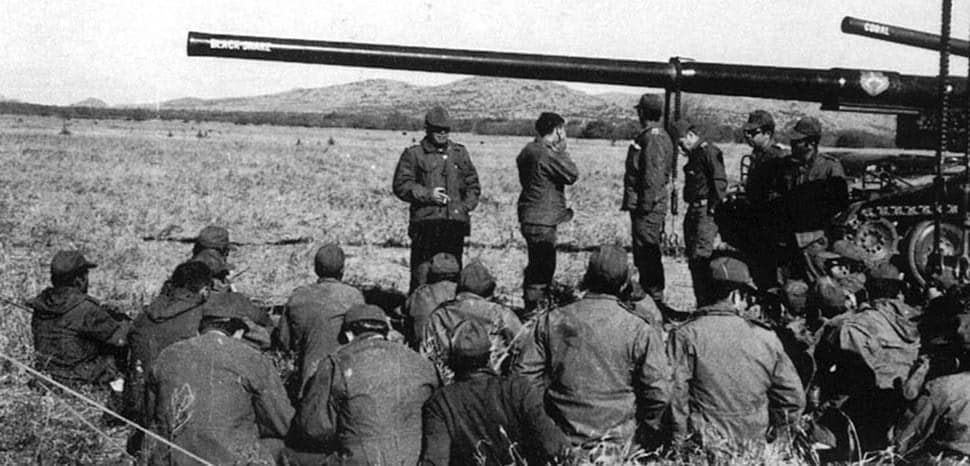
In the intricate landscape of geopolitics, history often serves as a mirror, reflecting potential pitfalls and opportunities. The current tensions between the United States and Iran, particularly around the strategic Strait of Hormuz, echo a historical conflict that offers crucial lessons: the War of Attrition between Egypt and Israel.
The War of Attrition: A Historical Prelude 📜
The War of Attrition (1967-1970) was a period of prolonged conflict between Egypt and Israel, characterized by sporadic exchanges and strategic maneuvering rather than decisive battles. Post the Six-Day War, Egypt recognized the futility of conventional confrontations against Israel's superior military strength. Instead, Egypt adopted a strategy of sustained pressure through bombardments, surprise attacks, and strategic positioning, laying the groundwork for future conflict escalation.

Israel viewed this period as a manageable nuisance, relying on its military prowess to maintain dominance. However, Egypt's expansion of Soviet-supplied surface-to-air missile coverage gradually eroded Israel's air superiority, setting the stage for the Yom Kippur War in 1973. Egypt's strategy was not merely attritional but preparatory, reshaping the battlefield for future engagements.
The Parallels with Iran's Strategy Today 🌍
Fast forward to the present, and Iran appears to be employing a similar strategy against the United States. With direct military confrontation deemed too costly, Iran is leveraging a suite of tactics to engage in a modern war of attrition. This includes maritime harassment, drone activities, proxy attacks, and cyber operations, all designed to disrupt US operations and stretch its resources.
Iran’s approach mirrors Egypt’s past strategy, aiming to create an operational environment that gradually constrains US strategic options. By building a distributed denial architecture involving drones, anti-ship missiles, and proxy forces, Iran seeks to impose sustained disruption and uncertainty, complicating US military responses.
Strategic Pitfalls for the United States 🚨
The United States risks falling into a cycle of strategic exhaustion, reminiscent of Israel's experience during the War of Attrition. The cost asymmetry is stark: inexpensive Iranian drones can compel the US to expend costly interceptor missiles, while prolonged deployments strain US military resources and readiness.
This scenario is further complicated by the geopolitical necessity for the US to prepare for potential conflicts in the Indo-Pacific region, particularly concerning China. As such, the sustainability of US operations in the Middle East becomes a pressing concern.
The Role of US Allies in Mitigating Risks 🤝
US allies in East Asia, notably Japan and South Korea, have a vested interest in the security of the Strait of Hormuz, a critical energy artery. However, their current contributions are limited and lack operational cohesion.
Japan's Strategic Contributions
Japan should expand its Middle Eastern deployment beyond intelligence gathering. Integrating its P-1 maritime patrol aircraft and space-based ISR capabilities into US Naval Forces Central Command's surveillance systems could enhance real-time tracking of Iranian activities, reducing response times during incidents.
South Korea's Operational Role
Similarly, South Korea's involvement needs operationalization to effectively contribute to regional stability. Enhanced collaboration and resource-sharing with US forces could bolster deterrence against Iranian strategies.
Establishing a Robust Security Framework 🔍
To counter Iran's attritional strategy effectively, Washington should transition from an ad hoc coalition to a more structured Hormuz Security Coordination Mechanism under the Combined Maritime Forces. This entity would assign operational responsibilities beyond symbolic participation, ensuring a cohesive and effective regional security posture.
Conclusion: Learning from the Past to Shape the Future 🔮
The lessons from the War of Attrition underline the importance of strategic foresight and international collaboration. By avoiding the strategic mistakes of the past and fostering robust alliances, the United States can better navigate the complexities of modern geopolitical conflicts. As history has shown, the key to success lies not just in superior military strength, but in strategic flexibility and adaptive partnerships.
You May Also Like

Geopolitical Analysis
Saudi Arabia's Bold Minerals Strategy
July 1, 2026
Geopolitical Analysis
Strategic Challenges in Securing the Strait of Hormuz
June 30, 2026
Geopolitical Analysis
Sovereignty, Airpower & Alliance Integration Limits
June 30, 2026

Geopolitical Analysis
Myanmar: A Renewed Frontline in India-China Tensions
June 29, 2026