Category:
International RelationsCanada's Defense Pivot Faces U.S. Challenges
Canada’s Strategic Defense Shift 🌍🔄
Canada, traditionally aligned closely with the United States in defense matters, is exploring new alliances. This shift aims to diversify its defense partnerships beyond the U.S. sphere. However, this move towards Europe presents significant challenges, particularly due to deeply entrenched defense ties with Washington.
Historical Ties with the U.S. 🇺🇸
Canada's defense infrastructure is intertwined with the U.S. through agreements like NORAD and the Defence Production Sharing Agreement (DPSA). Established in 1958, NORAD (North American Aerospace Defense Command) represents a unique binational military command that facilitates seamless air defense across North America.
- NORAD's Role: Provides real-time data exchange crucial for joint operations.
- DPSA: Facilitates Canadian access to American defense procurement.
- ITAR Regulations: Govern the export of defense technologies, further cementing U.S.-Canada defense ties.
The EU Defense Pivot: A Rocky Road 🛤️
Canada's attempt to pivot towards the EU is fraught with obstacles, primarily the stringent security requirements of existing U.S. alliances. In recent years, European defense contractors faced insurmountable challenges in aligning with Canada's needs due to these constraints.
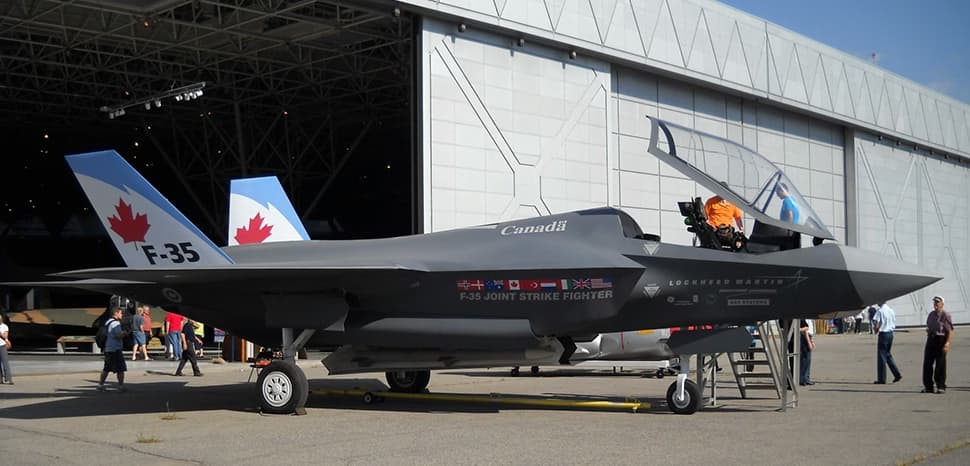
- The Fighter Jet Dilemma: European fighters like the Dassault Rafale and Eurofighter Typhoon exited Canada's CF-18 replacement competition due to integration costs and security compliance issues.
- Lockheed Martin's Victory: Ultimately, the U.S.-based Lockheed Martin F-35 was selected, underscoring the dominance of U.S. influence.
Why the Pivot Matters 🌐
Canada’s strategic shift is not just about diversifying defense partnerships but also about strengthening its geopolitical stance. This pivot is crucial given the changing global security landscape and the need for Canada to assert its sovereignty and strategic autonomy.
- Global Security Trends: Rising geopolitical tensions make diversified alliances more critical.
- Technological Advancements: Integration of advanced technologies necessitates broader partnerships.
Challenges and Opportunities 🚀
While the path is challenging, it offers opportunities for Canada to innovate and redefine its defense strategy. Balancing U.S. ties with new EU partnerships requires strategic maneuvers and diplomatic finesse.
- Innovation in Defense: Opportunities to develop new technologies with global partners.
- Diplomatic Strategies: Navigating complex geopolitical landscapes to forge new alliances.
Conclusion: Navigating the Future 🔮
Canada's defense pivot towards the EU signifies a bold step towards strategic independence. However, overcoming the entrenched U.S. defense ties will require innovative solutions and steadfast commitment to broader international cooperation. As global dynamics shift, Canada must remain agile and proactive in reshaping its defense strategies.
The ongoing developments in international relations and defense partnerships will undoubtedly shape the future of Canada's strategic positioning on the global stage. Stay tuned for more insights into how these shifts will impact global security and geopolitical alliances.
You May Also Like

International Relations
Japan-India Summit: New Alliances Emerge
July 6, 2026

International Relations
Canada-Ukraine Drone Deal: A Strategic Partnership
July 2, 2026

International Relations
Taiwan's Diplomatic Struggle for Global Recognition
June 26, 2026
International Relations
US-Brazil Relations Risked by Terrorist Designations
June 4, 2026