Category:
International RelationsUS-Brazil Relations Risked by Terrorist Designations
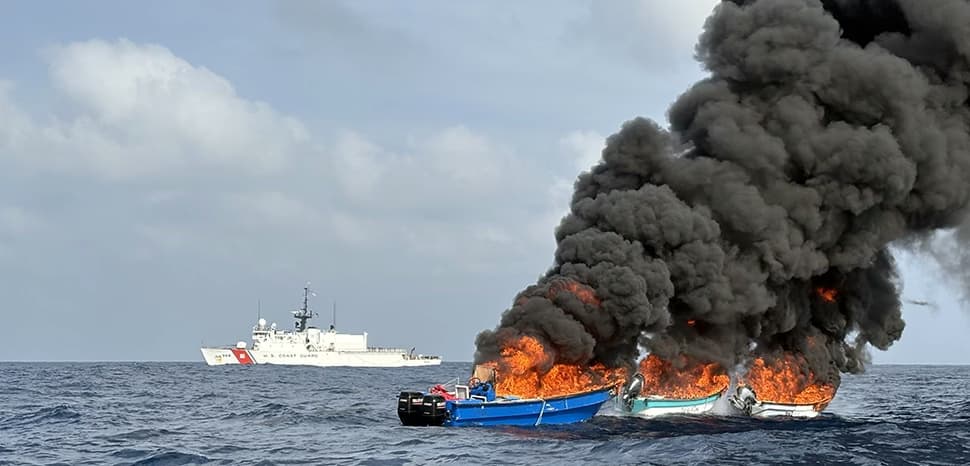
A Diplomatic Gamble: New US Terrorist Designations 🌍
The recent decision by Washington to classify Brazil’s two largest criminal organizations, the Primeiro Comando da Capital (PCC) and Comando Vermelho (CV), as Foreign Terrorist Organizations (FTOs) has sent ripples through international diplomatic circles. This move, part of a broader strategy to reframe hemispheric security, risks undermining the fragile relationship between the United States and Brazil.
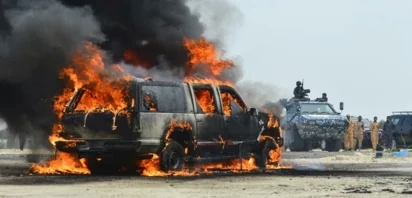
Historical Context and Immediate Implications 📜
Historically, these groups emerged from Brazil’s notorious prison system, with the PCC and CV evolving into formidable transnational organizations. The PCC, established in 1993, and the older CV, dating back to the 1970s, have grown beyond local confines, impacting regions across South America and even Europe. Their operations, primarily drug trafficking, have posed significant challenges to Brazilian law enforcement.
The Trump administration's designation reflects a significant shift in strategy, treating these criminal entities as existential threats akin to international terrorist groups. This classification grants the US government expanded counter-terrorism tools, including potential drone strikes and special operations deployments, bypassing traditional congressional oversight required for anti-drug missions.
Diplomatic Tensions and Strategic Calculations 🤝
This decision arrives at a time of already strained US-Brazil relations. President Luiz Inácio Lula da Silva's administration has publicly opposed the designation, viewing it as a breach of national sovereignty and a potential pretext for unwarranted US intervention. The diplomatic friction is compounded by past US tariffs on Brazilian goods and the politically charged relationship between Trump and former President Jair Bolsonaro.
Despite this, the US administration, spearheaded by Secretary of State Marco Rubio, insists on the necessity of this designation to project American influence and security across the Western Hemisphere.
Financial Repercussions and Compliance Challenges 💰
The financial implications of these designations are profound. Under the US Office of Foreign Assets Control (OFAC), the listing of PCC and CV as Specially Designated Global Terrorists (SDGTs) triggers automatic asset freezes and transaction bans. This development places a substantial compliance burden on Brazilian banks and businesses, which must navigate increased regulatory scrutiny to avoid inadvertently facilitating these organizations.
Impact on Organized Crime and Regional Stability 🔍
While the terrorism label aims to curb the influence of these groups, its effectiveness remains uncertain. Critics argue that conflating organized crime with terrorism may oversimplify complex socio-economic issues driving these criminal networks. Moreover, the potential for increased US military presence in South America raises questions about regional stability and sovereignty.
Looking Forward: Strategic Considerations and Outcomes ⚖️
As Washington continues to redefine its approach to Latin American security, the international community watches closely. The unfolding scenario will test the resilience of US-Brazil relations and may serve as a precedent for future US foreign policy in the region. Key takeaways include:
- Monitoring Diplomatic Channels: Both nations must engage in dialogue to mitigate escalating tensions and foster mutual understanding.
- Assessing Economic Impact: Brazilian entities should prepare for heightened compliance demands and potential economic repercussions.
- Evaluating Security Policies: The effectiveness of the FTO designations in curbing organized crime remains to be seen.
In conclusion, Washington’s latest move is a high-stakes gamble that could redefine diplomatic and security dynamics in the Americas. Observers and policymakers alike must tread carefully to balance national security interests with international cooperation. 🌐
You May Also Like
International Relations
Japan-India Summit: New Alliances Emerge
July 6, 2026
International Relations
Canada-Ukraine Drone Deal: A Strategic Partnership
July 2, 2026

International Relations
Taiwan's Diplomatic Struggle for Global Recognition
June 26, 2026
International Relations
Indus Waters Treaty: A Year After Pahalgam
May 25, 2026