Category:
International RelationsCebu Summit Thaw: Thailand and Cambodia's MOU in Peril
A Tenuous Peace at Stake
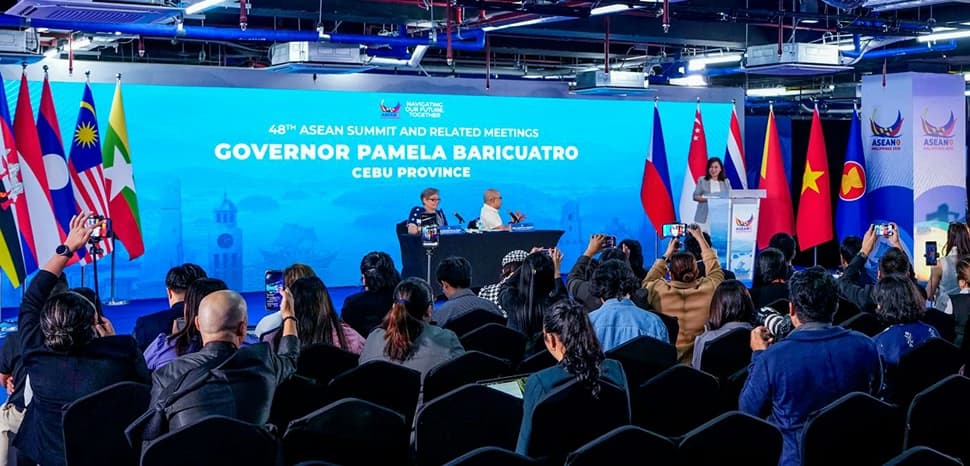
In a region where diplomatic relations can be as volatile as the monsoon rains, the Cebu Summit has brought Thailand and Cambodia to a critical juncture. At the heart of the discussions lies the 2001 Memorandum of Understanding (MOU), a pivotal agreement that has long served as a foundation for cooperation in the contested maritime zones of the Gulf of Thailand.
The 2001 MOU, officially termed “the Area of their Overlapping Claims of the Continental Shelf,” was designed to facilitate joint exploration and development of hydrocarbon resources in a 26,000-square-kilometer area. This document was more than just an agreement; it was a symbol of regional stability and collaboration. However, recent political maneuvers threaten to unravel decades of progress.

Historical Context: The Path to Cooperation
The journey to the 2001 MOU began with the 2000 MOU on land boundary demarcation. These agreements were the result of years of negotiation, aimed at mitigating potential conflicts by establishing clear guidelines for resource sharing and territorial claims. They were celebrated as milestones in ASEAN's efforts to maintain peace and stability in Southeast Asia.
Thailand's Shift in Strategy
Fast forward to today, Thailand's political landscape is shifting. Prime Minister Anutin Charnvirakul’s recent call for a referendum on the MOUs has sparked a wave of nationalist sentiments. The Thai government argues that the agreements have not sufficiently protected national interests, citing stalled negotiations and perceived territorial encroachments by Cambodia.
The push to cancel the MOUs is seen by many analysts as a politically motivated strategy. It aims to galvanize nationalist support by portraying the agreements as outdated or ineffective.
Cambodia's Perspective: Trust and Regional Stability
From Cambodia's viewpoint, the potential cancellation of the 2001 MOU represents a severe breach of trust. Cambodian officials express concerns over the implications for regional stability and ASEAN unity. The MOUs have been instrumental in maintaining peace along the border, and their dissolution could lead to heightened tensions and a resurgence of territorial disputes.
Legal and Diplomatic Repercussions
The legal ramifications of terminating the MOUs are substantial. Scholars warn that such a move could prompt Cambodia to seek arbitration from the International Court of Justice, potentially damaging Thailand's international standing. Moreover, dismantling the MOUs would dissolve the Joint Boundary Commission, a crucial mechanism for peaceful negotiations.
The Role of International Maritime Law
Should the MOUs be annulled, Thailand has indicated it will rely on the United Nations Convention on the Law of the Sea (UNCLOS) for resolving disputes. However, this shift from bilateral agreements to international law might complicate matters further, as UNCLOS processes are lengthy and can strain diplomatic relations.
The Bigger Picture: Implications for ASEAN
This dispute comes at a time when ASEAN's unity is critical amid rising geopolitical tensions in the region. The potential fallout from the MOU cancellation could weaken ASEAN's collective stance on regional security and cooperation.
Conclusion: Navigating a Diplomatic Crossroad
The future of Thailand and Cambodia's relationship hangs in the balance as the Cebu Summit unfolds. Stakeholders must navigate these turbulent waters carefully, weighing the benefits of cooperation against the allure of nationalist rhetoric.
Key takeaways from this situation include the importance of maintaining diplomatic channels and the role of regional organizations like ASEAN in mediating conflicts. As both nations deliberate on their next steps, the international community watches closely, hoping for a resolution that reinforces peace and collaboration in Southeast Asia.
You May Also Like
International Relations
Japan-India Summit: New Alliances Emerge
July 6, 2026
International Relations
Canada-Ukraine Drone Deal: A Strategic Partnership
July 2, 2026
International Relations
Taiwan's Diplomatic Struggle for Global Recognition
June 26, 2026
International Relations
US-Brazil Relations Risked by Terrorist Designations
June 4, 2026