Category:
Geopolitical AnalysisChina-Vietnam Marine Ties Gain New Momentum
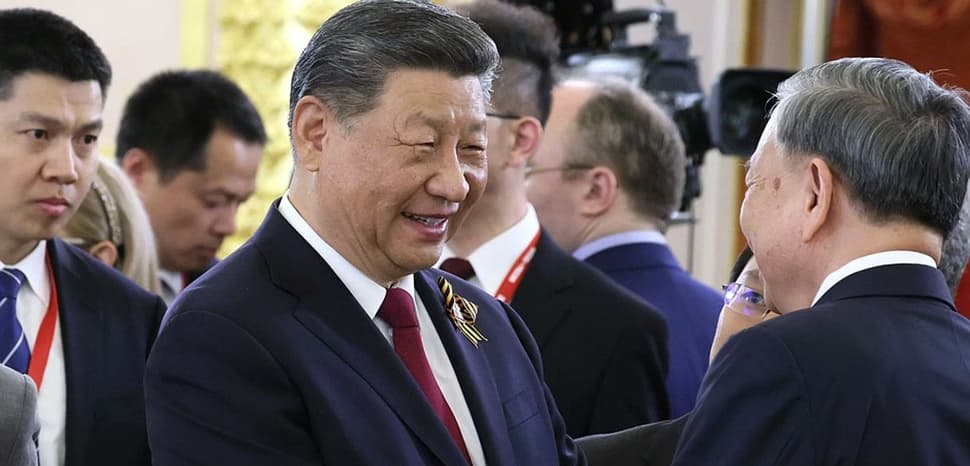
In the ever-evolving landscape of geopolitical relations, the recent discussions between China's President Xi Jinping and Vietnam's leader To Lam have sparked renewed interest in marine cooperation. This development is not just a diplomatic gesture but signifies a strategic shift in addressing shared challenges in the South China Sea.
A New Chapter in Marine Diplomacy 🌊
The talks resulted in 32 cooperation documents aimed at fostering greater collaboration between the two nations. This move comes at a critical time when geopolitical tensions are high, and environmental concerns are escalating. The focus has shifted towards practical marine cooperation, a domain where both countries have found common ground.

Strategic Necessity Meets Environmental Urgency 🌱
The South China Sea, a region plagued by territorial disputes, is also facing ecological degradation. Fish stocks have plummeted, coral reefs are bleaching, and the impacts of climate change are increasingly evident. For China and Vietnam, these environmental issues are not just ecological but also economic, affecting millions who depend on fisheries for their livelihoods.
The Role of Marine Protected Areas (MPAs) 🐠
Marine Protected Areas are emerging as a viable solution. They offer a way to protect biodiversity while sidestepping sovereignty debates. By establishing joint or coordinated MPAs, China and Vietnam can manage resources more sustainably, ensuring ecological and economic stability.
The High Seas Treaty: A New Framework ⚖️
The upcoming High Seas Treaty, effective from January 2026, provides a global framework for marine conservation. It emphasizes biodiversity beyond national jurisdiction and aligns with the goals of both nations. While it doesn't resolve territorial disputes, it encourages cooperation based on internationally recognized standards.
Practical Cooperation in Action 🤝
Joint marine scientific research, such as typhoon tracking and oceanographic studies, demonstrates how technical collaboration can persist despite political differences. Similarly, search and rescue operations offer humanitarian benefits, requiring trust and coordination.
Environmental Protection as a Diplomatic Tool 🌍
Pollution control and habitat restoration are inherently transboundary issues. These areas have the potential to foster cooperation as they avoid securitization, making them less politically contentious.
A Balanced Approach to Regional Stability ⚖️
For Vietnam, engaging with China on marine issues reflects a strategic balancing act. While diversifying partnerships globally, maintaining stability with China remains crucial. This approach allows both nations to engage in cooperative activities without compromising on core territorial claims.
In conclusion, the Xi–To Lam meeting marks a potential turning point in China-Vietnam relations. By focusing on "less sensitive" areas of cooperation, both countries are taking incremental steps towards greater regional stability. This renewed momentum could pave the way from mere coexistence to collaborative management of shared marine resources.
You May Also Like

Geopolitical Analysis
Saudi Arabia's Bold Minerals Strategy
July 1, 2026
Geopolitical Analysis
Strategic Challenges in Securing the Strait of Hormuz
June 30, 2026
Geopolitical Analysis
Sovereignty, Airpower & Alliance Integration Limits
June 30, 2026
Geopolitical Analysis
Myanmar: A Renewed Frontline in India-China Tensions
June 29, 2026