Category:
Geopolitical AnalysisCopper Crunch: A Threat to US AI Expansion
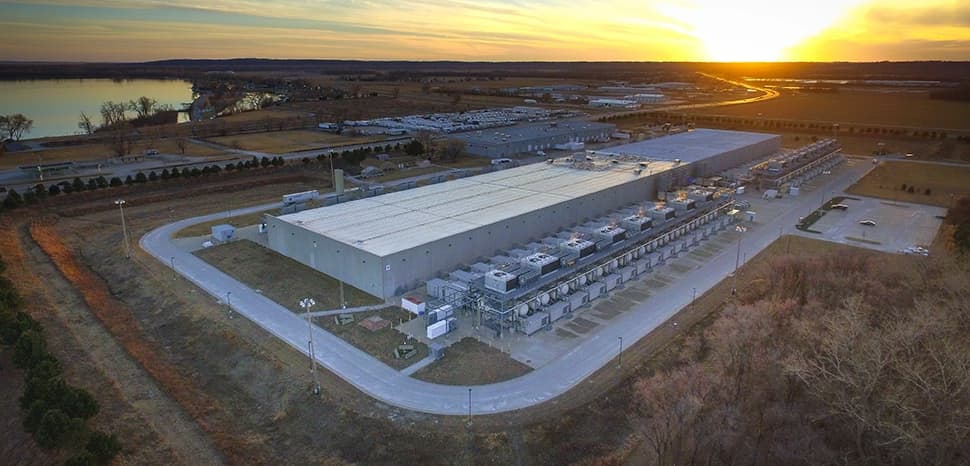
The Looming Copper Crisis: A Barrier to AI Growth ⚠️
In the rapidly evolving world of artificial intelligence (AI), copper has emerged as a critical component, vital for the construction and operation of data centers. These centers, particularly hyperscale data centers, are the backbone of AI infrastructure, requiring vast amounts of copper for efficient data transmission, cooling, and power delivery. However, a looming copper shortage threatens to stall the advancement of AI technologies in the United States, raising geopolitical and economic concerns.
The Staggering Demand for Copper in AI Infrastructure 🚀
Hyperscale data centers are poised to dominate the market by 2030, accounting for 61% of the sector. These facilities, which support AI and cloud storage demands, require up to 50,000 tons of copper each—three to ten times more than traditional data centers. By 2030, annual copper demand for data centers alone could reach 500,000 tons. This spike in demand underscores copper's indispensable role in AI development.
Bottlenecks in Copper Supply: A Recipe for Crisis 🔍
Despite the soaring demand, copper supply is struggling to keep pace. The International Energy Agency predicts a 30% supply deficit by 2035. This gap is exacerbated by mining companies' reluctance to invest in new mines due to high capital costs and lengthy permitting processes. In the U.S., the average time to bring a new copper mine from discovery to production is 31.8 years, far too long to meet imminent needs.
The Impact on AI and Tech Giants 🏭
The construction of new data centers is already facing significant delays due to logistical and political challenges, with $156 billion in projects stalled as of 2025. This stagnation is causing anxiety among investors, potentially affecting AI firm valuations. Without intervention, the copper shortage could cripple U.S. AI expansion, allowing rivals like China to gain an edge.
Global Geopolitical Dynamics and Copper Supply 🌎
To mitigate this crisis, the U.S. must secure copper supplies through strategic diplomacy and investment in copper-rich regions like Sub-Saharan Africa, Latin America, and Asia. These regions present opportunities for faster permitting and production, crucial for meeting global demand. However, political risks and infrastructural challenges remain significant hurdles.
Latin America's Role in Copper Production 📈
Latin America, producing 46% of the world’s copper, is a key player in global markets. Countries like Chile and Peru are major producers, but their exports are heavily oriented towards China. A strategic pivot towards U.S. investment could reshape these dynamics, potentially stabilizing supply chains and enhancing U.S. access to copper resources.
Strategic Recommendations for the U.S. 🇺🇸
- Invest in Emerging Markets: Focus on regions with untapped copper reserves, such as Argentina, and secure long-term offtake agreements with non-Chinese processors.
- Enhance Domestic Production: Reform permitting processes to accelerate domestic mining projects like the Rio Tinto-BHP venture in Arizona.
- Develop Strategic Alliances: Collaborate with stable African nations like Botswana and Zambia to secure reliable copper supplies.
Conclusion: Navigating the Copper Conundrum 🧭
As the world marches towards an AI-driven future, securing copper supplies is not merely an economic necessity but a strategic imperative. By fostering international partnerships and investing in efficient mining operations, the U.S. can avert a potential AI crisis and maintain its competitive edge in the global technology landscape.
You May Also Like

Geopolitical Analysis
Saudi Arabia's Bold Minerals Strategy
July 1, 2026

Geopolitical Analysis
Strategic Challenges in Securing the Strait of Hormuz
June 30, 2026

Geopolitical Analysis
Sovereignty, Airpower & Alliance Integration Limits
June 30, 2026

Geopolitical Analysis
Myanmar: A Renewed Frontline in India-China Tensions
June 29, 2026