Category:
Geopolitical AnalysisEgypt's Geopolitical Strategy in a Shifting Middle East
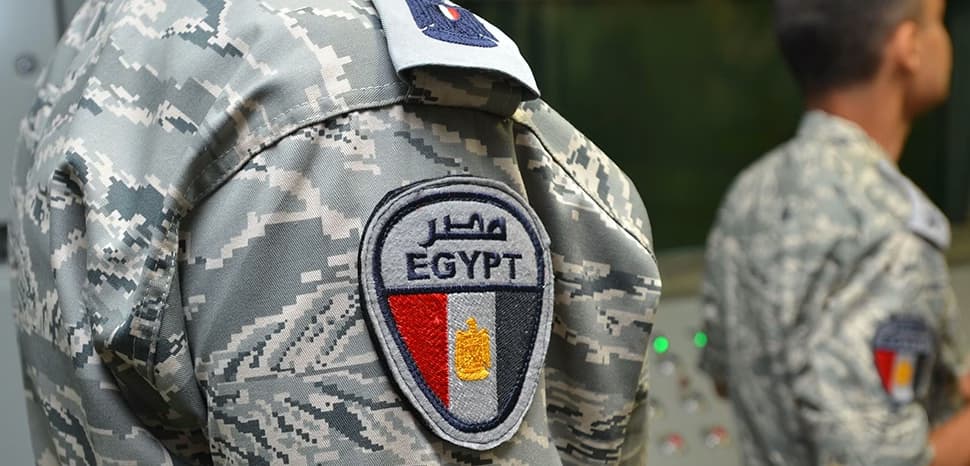
The Middle East is a region constantly in flux, with geopolitical paradigms shifting as global powers vie for influence. Egypt, a historical linchpin in the region, faces a crucial decision: continue its strategic balancing act or drift towards a new alignment.
A Historical Context
Historically, Egypt has adhered to a policy of strategic balancing, a doctrine aimed at maintaining equilibrium with global powers while avoiding military alliances. This strategy has been a cornerstone of Egypt's foreign policy, allowing it to navigate complex regional dynamics without entangling itself in larger conflicts.
Under leaders like Nasser, Sadat, and Mubarak, Egypt pursued policies that prioritized national interests, respecting sovereignty, and non-interference principles. This approach enabled Egypt to maintain crucial security arrangements with Israel and the United States, stabilizing its borders and safeguarding its security interests.
Current Strategic Challenges
Today, Egypt's foreign policy faces new challenges. The strategic partnership with the United States, once a pillar of regional security, has become more transactional and occasionally strained. This shift dates back to the upheaval of 2011 and subsequent events like the removal of the Muslim Brotherhood in 2013.

US Relations and Regional Security
The dynamic with the US has evolved, especially after episodes where Egypt felt exposed due to American actions, such as the handling of Mubarak's ouster. These tensions were further exacerbated by Egypt's diversification of arms imports, notably from Russia, which led to US threats of sanctions over the purchase of Russian SU-35 jets.
Expanding Alliances
To navigate these complex waters, Egypt has expanded its alliances, strengthening ties with Russia and China. The partnership with Russia has deepened, involving defense cooperation and nuclear infrastructure projects. China, too, plays a pivotal role through large-scale investments and infrastructure projects.
A Broader Regional Engagement
In recent months, Egypt has engaged more with regional powers like Turkey, Saudi Arabia, and Qatar. These diplomatic efforts are part of a broader strategy to potentially create a regional alignment capable of addressing shared security concerns, such as the ongoing conflicts in the Gulf.
Turkey, particularly active in fostering regional cooperation, has worked to mend relations with Egypt and Saudi Arabia after past disputes. This cooperation highlights a shared interest in regional stability and balancing Israeli influence.
Future Prospects and Challenges
As Egypt continues to maneuver through this reordered Middle East, it faces critical decisions. Will it maintain its strategic balancing or drift towards deeper alliances with new partners? The answer will shape not only Egypt's future but also the geopolitical landscape of the region.
Key Takeaways
- Strategic Balancing: Egypt's traditional policy of non-alignment is being tested.
- US Relations: Strained ties with the US may push Egypt towards new alliances.
- Regional Cooperation: Increased engagement with Turkey, Saudi Arabia, and others signals potential new alignments.
Egypt's path forward is intertwined with its ability to adapt to these geopolitical shifts, balancing its national interests with regional and global pressures. As global powers redefine their roles in the Middle East, Egypt's strategic choices will be pivotal in determining its influence and stability in the region.
You May Also Like

Geopolitical Analysis
Saudi Arabia's Bold Minerals Strategy
July 1, 2026

Geopolitical Analysis
Strategic Challenges in Securing the Strait of Hormuz
June 30, 2026
Geopolitical Analysis
Sovereignty, Airpower & Alliance Integration Limits
June 30, 2026
Geopolitical Analysis
Myanmar: A Renewed Frontline in India-China Tensions
June 29, 2026