Category:
Geopolitical AnalysisPakistan's Geopolitical Significance Unveiled
Pakistan at the Crossroads of Strategic Interests
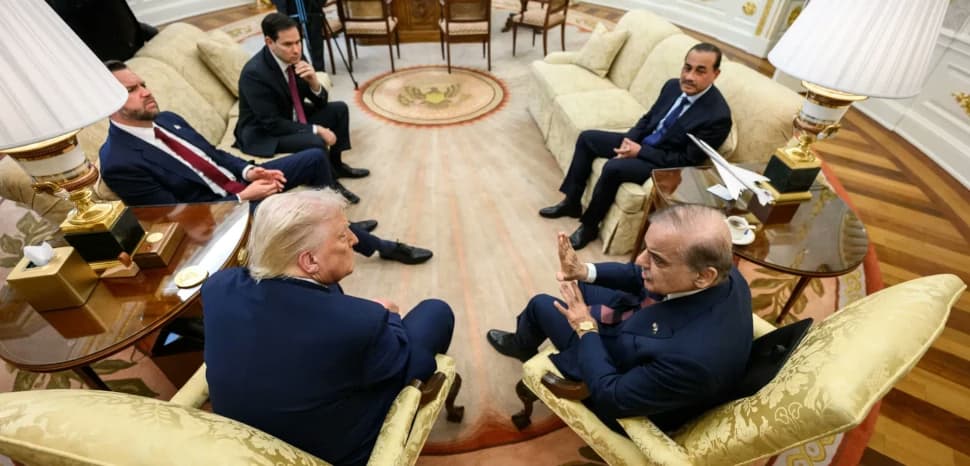
Pakistan, a country often seen through the lens of its internal challenges, holds a unique geopolitical position that impacts global power dynamics. Despite recurring domestic issues, including economic instability and political turmoil, Pakistan commands attention from major global players such as the United States, China, and countries in the Gulf. But what makes Pakistan so pivotal in a fragmenting regional order? 🤔
Geographical Nexus: Where Regions Converge
Pakistan's strategic importance lies in its geographical position, serving as a hub where South Asia, Central Asia, the Gulf, and western China intersect. This convergence point makes Pakistan a critical player in regional stability and energy security, affecting everything from Chinese logistics infrastructure to U.S. counterterrorism strategies. Few countries sit at such a confluence of strategic interests, making Pakistan indispensable in the geopolitical chessboard. 🌏
The Role of the Military in Foreign Policy
While civilian governments formally handle diplomacy, Pakistan's military has historically been a decisive force in shaping its foreign relationships. This military influence ensures continuity in Pakistan's foreign policy, maintaining stable ties with key players like Washington, Beijing, and Riyadh, even amidst domestic upheaval. This continuity is crucial for maintaining Pakistan's structural relevance in the region. 🛡️
Complex Relationships with Global Powers
The United States: A Transactional Partnership
The U.S.-Pakistan relationship has been fraught with tension, particularly after the Taliban's resurgence in Afghanistan. However, Pakistan's role as a mediator in the U.S.-Iran conflict highlights its diplomatic leverage. This transactional relationship underscores Pakistan's strategic importance, offering access and dialogue channels that are otherwise unavailable to the U.S. 🎯
China: An All-Weather Strategic Partnership
China's relationship with Pakistan transcends infrastructure projects like the China-Pakistan Economic Corridor (CPEC). It reflects a deep strategic partnership that includes significant defense cooperation. China is Pakistan's largest arms supplier, and their joint military projects enhance Pakistan's defense capabilities, reinforcing the bilateral relationship as one insulated from external pressures. 🛡️
Economic Challenges and Strategic Opportunities
Pakistan's economic instability, marked by low foreign exchange reserves and reliance on IMF interventions, paradoxically enhances its strategic allure. Major powers are invested in Pakistan's stability, not just for economic reasons but due to its pivotal role in regional security and diplomatic mediation. This structural relevance gives Pakistan a unique bargaining position in global affairs. 📈
Conclusion: Pakistan's Enduring Influence
In a world of shifting alliances and regional fragmentation, Pakistan's structural relevance remains a constant. Its geographical position and strategic alliances ensure that it continues to play a pivotal role in regional stability. Understanding Pakistan's importance requires a nuanced view that considers both its internal dynamics and its external relationships. As global power dynamics evolve, Pakistan's role in the geopolitical landscape will undoubtedly remain significant. 🚀
Pakistan's ability to connect various strategic interests makes it a keystone state in a complex regional order. Monitoring its developments offers valuable insights into broader geopolitical trends and future regional alignments.
You May Also Like

Geopolitical Analysis
Saudi Arabia's Bold Minerals Strategy
July 1, 2026
Geopolitical Analysis
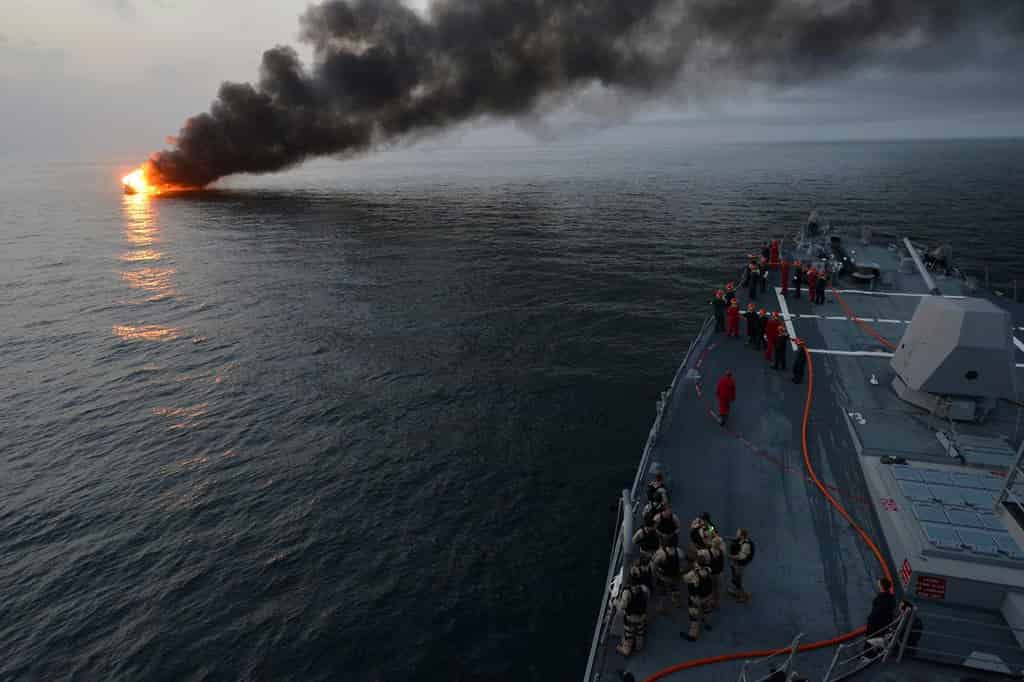
Strategic Challenges in Securing the Strait of Hormuz
June 30, 2026
Geopolitical Analysis
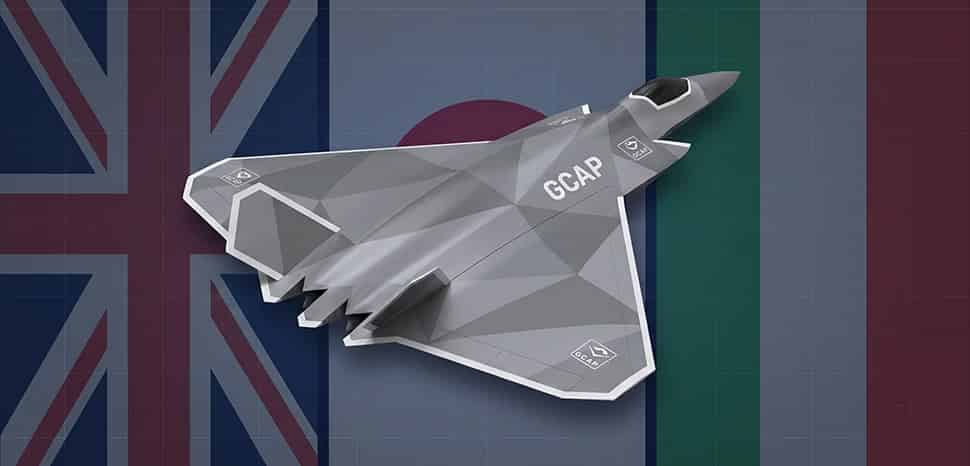
Sovereignty, Airpower & Alliance Integration Limits
June 30, 2026
Geopolitical Analysis
Myanmar: A Renewed Frontline in India-China Tensions
June 29, 2026