Category:
Geopolitical AnalysisIran's Strategic Shift: Owning the Strait of Hormuz
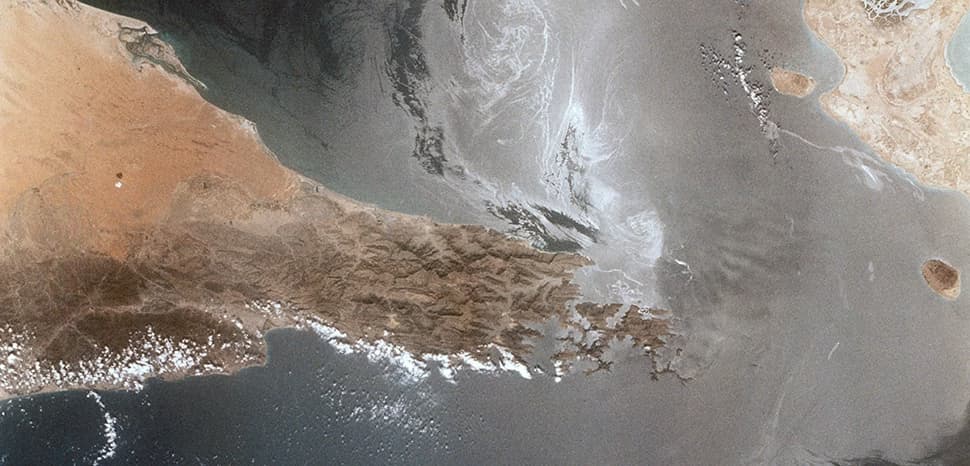
In the volatile landscape of global geopolitics, the Strait of Hormuz stands as a pivotal maritime chokepoint. For decades, Iran's threats to close this critical passageway have kept the world on edge. However, recent developments suggest a shift in strategy. Instead of merely threatening closure, Iran is making moves to exercise control over the strait, transforming it into a potential revenue stream. 🌍💡
A Historical Perspective
The Strait of Hormuz has long been a focal point of international tension. Spanning just 50 kilometers, it serves as a gateway for approximately 17-20 million barrels of oil per day. This narrow waterway has been a linchpin in global energy supply, with strategic significance that cannot be overstated.
The past threats of closure by Iran often resulted in heightened military readiness by Western powers, primarily the United States, and extensive strategic planning by Gulf states. These nations have invested heavily in pipeline infrastructure to bypass the strait, aiming to mitigate the risks associated with its potential closure.

The New Strategy: Control Through Economic Means
In a bold move, Iran announced the formation of the Persian Gulf Strait Authority in May 2026, introducing a toll system for vessels transiting the strait. This new regime requires ships to register and pay a per-barrel fee in Iranian rials, positioning Iran to potentially generate $70 to $90 billion annually, according to J.P. Morgan estimates. 🏦💰
The Role of Cryptocurrency
Interestingly, Iran has embraced digital currencies as part of its strategy. The Hormuz Safe initiative allows for marine insurance payments in Bitcoin, reflecting a strategic pivot away from traditional financial systems that are heavily influenced by Western sanctions. This move, while innovative, highlights Iran's challenges in accessing global financial markets due to existing sanctions.
Geopolitical Implications
The establishment of a toll authority in the Strait of Hormuz marks a significant shift from military threats to economic leverage. This development poses a unique challenge to Western powers, which must now navigate the complexities of international maritime law and economic diplomacy. 📜⚖️
The Response from Gulf States
Gulf nations have responded by accelerating infrastructure projects, such as Saudi Arabia's East-West Pipeline and the UAE's ADCOP pipeline, to ensure continued oil flow despite potential disruptions in Hormuz. However, these pipelines can only handle a fraction of the total exports that pass through the strait, underscoring the limitations of current bypass strategies.
Broader Strategic Concerns
While pipelines offer a partial solution, the geopolitical landscape is fraught with uncertainties. The Houthi movement's presence near the Bab el-Mandeb strait poses another potential chokepoint risk, threatening the alternative routes that Gulf states rely on during Hormuz disruptions.
Looking Ahead
The situation in the Strait of Hormuz is a dynamic and evolving issue that demands close attention from the global community. As Iran consolidates its control, nations must consider both diplomatic and strategic responses to counterbalance this new form of economic coercion. 🤝🌐
Conclusion
Iran's strategy in the Strait of Hormuz represents a nuanced shift from traditional military threats to economic influence. By establishing a toll authority, Iran seeks to legitimize its control over one of the world's most critical maritime chokepoints, posing a complex challenge to international norms and economic security. The global community must adapt to this new reality, balancing infrastructure investments with diplomatic engagement to ensure stability in the region.
As the geopolitical chessboard continues to evolve, understanding the intricate dynamics at play in the Strait of Hormuz will be crucial for policymakers and industry leaders alike. 🏛️🔍
You May Also Like

Geopolitical Analysis
Saudi Arabia's Bold Minerals Strategy
July 1, 2026
Geopolitical Analysis
Strategic Challenges in Securing the Strait of Hormuz
June 30, 2026
Geopolitical Analysis
Sovereignty, Airpower & Alliance Integration Limits
June 30, 2026
Geopolitical Analysis
Myanmar: A Renewed Frontline in India-China Tensions
June 29, 2026