Category:
Geopolitical AnalysisEmpowering Africa in a Multipolar World
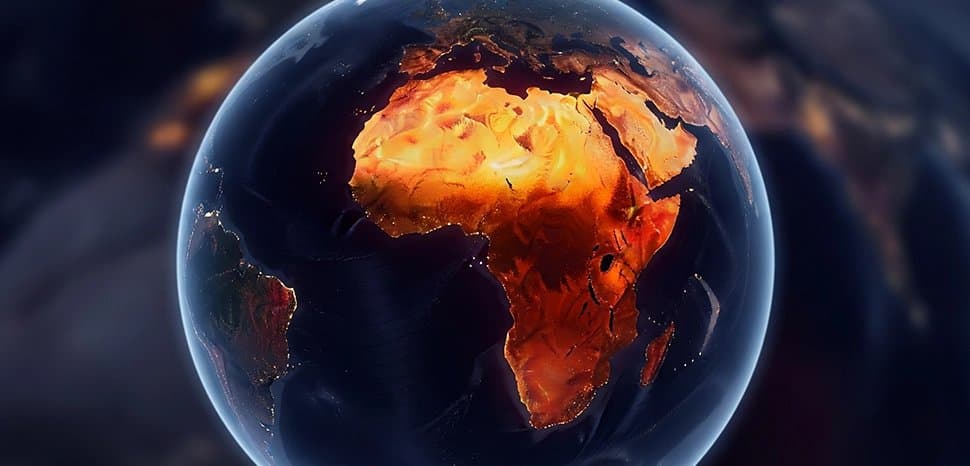
Africa stands on the brink of a new era, driven by a shifting global order that promises to redefine the continent's role on the world stage. 🌍 As traditional power structures give way to a more multipolar landscape, African nations have a unique opportunity to leverage their abundant resources and burgeoning populations to exert greater influence. But how can Africa navigate this complex geopolitical environment and emerge as a formidable power? Let's explore.
The Rise of Multipolarity
In recent years, the global power dynamic has been shifting from a unipolar to a multipolar system. This transition has opened new avenues for African countries to foster development and stabilize internally. With vast natural resources and strategic geographical positions, many African states are poised to become critical players in global supply chains, attracting interest from major powers eager to diversify. 📈

Historical Context and Challenges
Historically, Africa has been shackled by the legacies of imperialism and colonialism, which have stunted its development. Throughout the 19th and 20th centuries, these external influences imposed artificial borders and economic dependencies that continue to affect the continent today. However, African nations are increasingly taking control of their destinies, challenging these historical constraints.
Power Politics: An African Perspective
Power politics is a universal norm, and African countries are no exception. The ability to play this game effectively can significantly enhance a nation's standing. Yet, African leaders face unique challenges, including the burden of international consensus politics that often undermines their autonomy. To unlock their potential, African nations must embrace power politics as a tool for national advancement, rather than a relic of external manipulation.
The Role of Regional Cooperation
Regional cooperation has proven effective in addressing security challenges, as seen in East and Southern Africa's efforts in Somalia, the Congo, and Mozambique. By fostering collective security arrangements, African nations can enhance their capacity to manage internal conflicts and reduce reliance on foreign interventions. However, sustainable funding and political cohesion remain critical hurdles.
Scapegoating and Identity Politics
Scapegoating foreign powers has been a common strategy in African politics, often detracting from addressing internal issues. While external influences from the United States, China, Russia, and others are undeniable, focusing solely on these actors oversimplifies the continent's complex realities. Furthermore, the imposition of a singular African identity overlooks the rich tapestry of languages and cultures that define the continent. Instead, a nuanced approach that respects diversity and fosters inclusive governance is essential.
Strategic Resource Management
Africa's abundant natural resources hold the key to its future prosperity. Effective management of these resources, coupled with strategic alliances, can propel African nations to new heights. The challenge lies in overcoming historical agreements that have often skewed benefits towards former colonial powers. By renegotiating these terms and asserting their interests, African countries can ensure that their resources contribute to sustainable development and economic independence.
Conclusion: A Vision for the Future
Africa's path to power lies in embracing its diversity, leveraging its resources, and engaging in strategic power politics. As the continent navigates the complexities of a multipolar world, it must adopt a proactive stance, fostering regional cooperation, and redefining its role on the global stage. The time has come for Africa to assert its agency, break free from historical constraints, and chart a course toward a more prosperous and equitable future. 🔥
Looking ahead, the potential for Africa to emerge as a significant global player is immense. By capitalizing on current opportunities and addressing internal challenges, the continent can transform into a powerhouse of innovation, culture, and economic growth. The world is watching, and Africa's moment is now.
You May Also Like
Geopolitical Analysis
Saudi Arabia's Bold Minerals Strategy
July 1, 2026
Geopolitical Analysis
Strategic Challenges in Securing the Strait of Hormuz
June 30, 2026
Geopolitical Analysis
Sovereignty, Airpower & Alliance Integration Limits
June 30, 2026
Geopolitical Analysis
Myanmar: A Renewed Frontline in India-China Tensions
June 29, 2026