Category:
Geopolitical AnalysisEnergy Dominance: Insights from the Iran Conflict
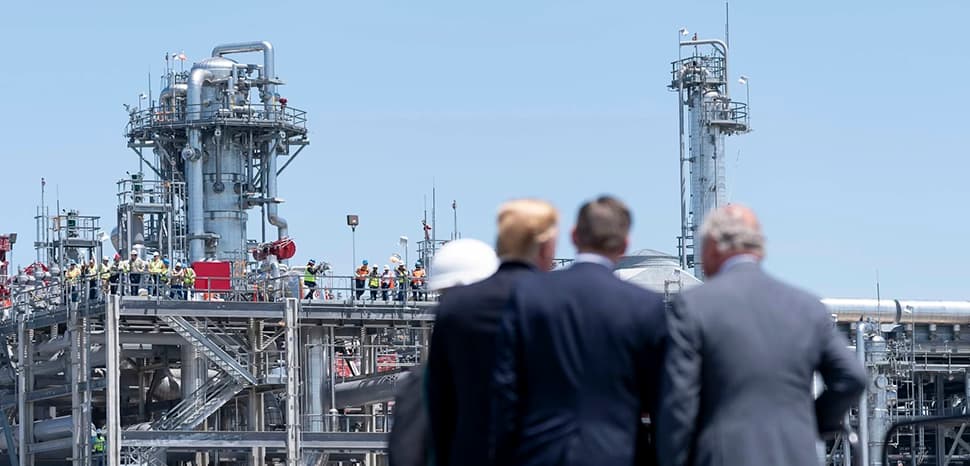
In recent years, the geopolitical landscape has dramatically shifted, especially in terms of energy policy. The Iran conflict has underscored America's strategic shift towards energy dominance, revealing both vulnerabilities and newfound strengths. 🌍🔍
The Strategic Importance of the Strait of Hormuz
The Strait of Hormuz is a critical maritime chokepoint through which approximately one-fifth of the world's oil trade passes. Its strategic significance cannot be overstated, as any disruption could have significant implications for global energy markets. Historically, the United States has been the guarantor of this passage, ensuring its security. However, recent developments have highlighted a shift in this dynamic.

America's Energy Policy Evolution
The transformation in U.S. energy policy began in earnest with the signing of the 'Unleashing American Energy' executive order in 2025. This marked the commencement of a strategy focused on achieving energy dominance, spearheaded by the creation of the National Energy Dominance Council. This strategic pivot was designed to bolster American energy production across oil, gas, coal, and nuclear sectors. 📈
The Iran Conflict's Role in Energy Dynamics
The conflict with Iran has brought America's energy strategy into sharp focus. As tensions rose, the near-closure of the Strait of Hormuz highlighted America's reduced dependency on Middle Eastern oil, thanks to its robust shale production. By 2026, the U.S. had become a leading oil and gas producer, exporting significant quantities globally. This newfound independence has transformed the Strait's disruption from a critical threat to a manageable diplomatic issue. ✈️💼
Global Implications and Strategic Autonomy
The strategic autonomy achieved through shale production has allowed the U.S. to redefine its geopolitical priorities. This autonomy was not just a consequence of increased production but was also supported by legislative measures like the 'One Big Beautiful Bill Act', which facilitated fossil fuel infrastructure development. This legislative backing ensured that any future administrative changes would require substantial congressional action to reverse these policies.
Impact on Western Alliances
The focus on energy independence has inevitably influenced America's relationships with its allies. The pressure exerted on European and Asian partners to secure American energy supplies reflects a significant shift in diplomatic strategies. These moves underscore a broader strategic realignment where energy is viewed less as a commodity and more as a geopolitical instrument. 🔄
The Road Ahead: Challenges and Opportunities
While the U.S.'s energy dominance strategy has fortified its position, it also presents challenges. The reliance on fossil fuels raises environmental concerns, and the phasing out of clean energy tax credits could hinder sustainable development efforts. Additionally, maintaining strategic interests in the Middle East remains crucial to prevent adversarial control over vital oil and gas resources.
Key Takeaways
- The U.S. has shifted towards energy independence, reducing its reliance on Middle Eastern oil.
- Legislative measures have solidified this strategy, making it resilient to future policy changes.
- The focus on fossil fuels, while economically beneficial, raises environmental sustainability concerns.
- America's strategic autonomy in energy influences global geopolitical dynamics, affecting alliances and diplomatic strategies.
In conclusion, the Iran conflict has illuminated America's strategic energy position, highlighting both its strengths and the complexities of maintaining energy dominance. As global dynamics continue to evolve, the U.S. will need to balance its energy ambitions with environmental sustainability and international relationships. 🌟🛢️
You May Also Like

Geopolitical Analysis
Saudi Arabia's Bold Minerals Strategy
July 1, 2026
Geopolitical Analysis
Strategic Challenges in Securing the Strait of Hormuz
June 30, 2026

Geopolitical Analysis
Sovereignty, Airpower & Alliance Integration Limits
June 30, 2026

Geopolitical Analysis
Myanmar: A Renewed Frontline in India-China Tensions
June 29, 2026