Category:
Geopolitical AnalysisEscaping Southeast Asia's Minerals Trap
The Critical Minerals Challenge 🌍
Southeast Asia stands at a pivotal junction in the global race for critical minerals. While the region boasts significant resources like Indonesia's nickel and Vietnam's rare-earth elements, the path to leveraging these assets effectively remains fraught with challenges. Understanding these dynamics is essential for both regional stability and global supply chain resilience.
Current Landscape of Mineral Resources 🔍
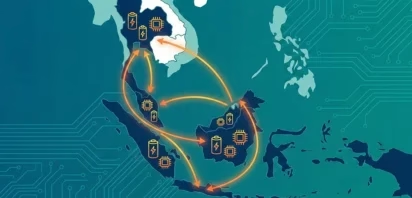
Indonesia has emerged as a dominant player in the global nickel market, controlling around 60% of the supply as of 2024. Similarly, the Philippines contributes significantly to the nickel and cobalt sectors. Meanwhile, Vietnam is forging strategic partnerships with Australia, Korea, and Japan to strengthen its position in the rare-earth market. Although these nations are rich in raw materials, the real opportunity lies in developing an ecosystem that extends beyond mere extraction.
Beyond Extraction: Building a Strategic Ecosystem 🏗️
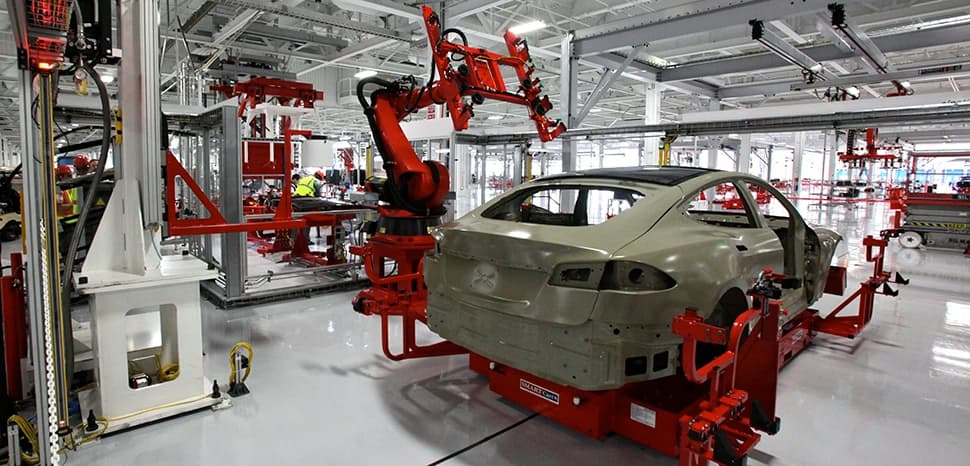
The strategic importance of critical minerals has expanded beyond clean energy. Today, these resources are vital for the production of electric vehicles, semiconductors, and defense equipment. ASEAN countries must avoid the pitfall of being mere suppliers of raw materials without capturing the higher value of the supply chain through processing and manufacturing.
- Technology Transfer: Encouraging foreign investments that focus on technology transfer and local workforce development can be pivotal.
- Downstream Opportunities: By investing in downstream industries like battery manufacturing and refining, these nations can enhance their strategic autonomy.
Addressing Supply Chain Vulnerabilities ⚠️
Despite their mineral wealth, ASEAN countries face significant supply chain vulnerabilities. For instance, Indonesia's nickel sector heavily depends on sulfur imports from the Gulf, exposing it to geopolitical risks. Such dependencies highlight the need for a more integrated regional approach to supply chain management.
Environmental and Social Considerations 🌱
Investors are increasingly scrutinizing the social and environmental impacts of mining practices. In 2026, asset managers with $4.5 trillion urged automakers to address deforestation and human rights concerns linked to nickel supply chains in Indonesia and the Philippines. These issues underline the importance of sustainable and ethical mining practices to maintain credibility with global stakeholders.
ASEAN's Path Forward: A Unified Strategy 🤝
The ASEAN Minerals Cooperation Action Plan 2026–2030 provides a framework for regional collaboration. However, moving from policy to practice requires deeper integration and strategic alignment among member states.
- Develop a Regional Minerals Map: Beyond geological data, ASEAN needs a comprehensive map of the entire value chain, including processing facilities, logistics, and human capital.
- Establish Industrial Division of Labor: Each nation should focus on its strengths to build a cohesive regional industrial strategy, avoiding redundant efforts and optimizing resource allocation.
- Leverage Foreign Investment: Engage with foreign partners actively, ensuring they contribute to technology transfer, cleaner processing, and local economic development.
Conclusion: Seizing the Opportunity 🚀
Southeast Asia's critical minerals are a strategic asset with the potential to transform the region's economic landscape. By adopting a unified, strategic approach that balances economic, environmental, and social considerations, ASEAN can escape the trap of being mere suppliers and become a formidable player in the global industrial arena. This transformation requires not only policy but action, ensuring that the region is prepared to meet future challenges head-on.
You May Also Like

Geopolitical Analysis
Saudi Arabia's Bold Minerals Strategy
July 1, 2026

Geopolitical Analysis
Strategic Challenges in Securing the Strait of Hormuz
June 30, 2026

Geopolitical Analysis
Sovereignty, Airpower & Alliance Integration Limits
June 30, 2026
Geopolitical Analysis
Myanmar: A Renewed Frontline in India-China Tensions
June 29, 2026