Category:
Geopolitical AnalysisFrom MAGA to America's Waning Reliability
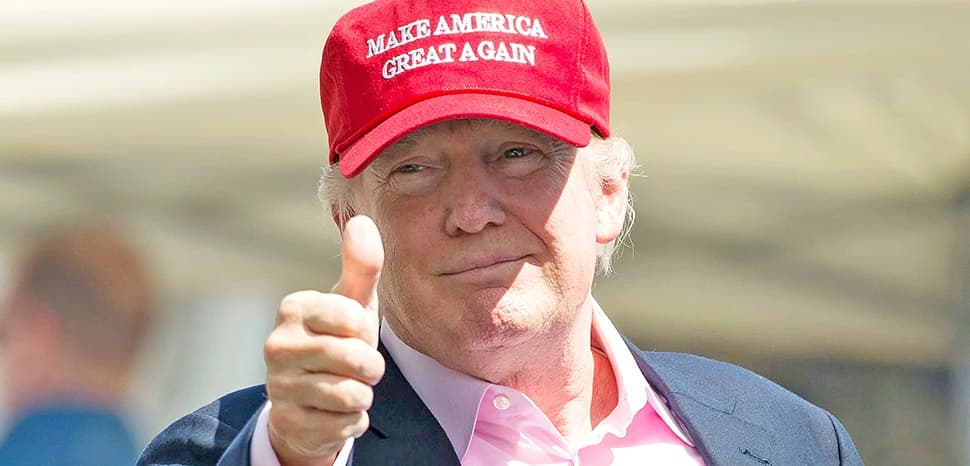
The Shift in American Geopolitical Strategy
In recent years, the geopolitical landscape has witnessed a significant shift in the perception of American reliability. This change is rooted in the strategic moves made during the Trump administration, particularly concerning the Middle East and its implications on global stability. 🌏
The Iranian Conundrum
The conflict with Iran serves as a crucial example of this transition. In June, when US and Iranian negotiators convened in Switzerland, the focus was on transforming an interim memorandum into a lasting settlement. However, the central promise of this agreement was quickly put into question. Reports from Tehran indicated that the Strait of Hormuz would remain closed until a ceasefire in Lebanon was achieved and oil-sale waivers were granted. Meanwhile, the US Central Command maintained that traffic continued to flow unabated through the strait.

This situation highlights a broader issue: the gap between military actions and political resolutions. The Trump administration's approach to Iran, characterized by demonstrating military force without resolving the nuclear issue, has painted the US as powerful yet unpredictable. This unpredictability poses challenges for allies, markets, and adversaries trying to gauge future stability.
Economic Ripples of Conflict
The ramifications of the US-Iran conflict are not confined to the geopolitical realm. The International Energy Agency warns of a potential drop in global oil supply by 3.9 million barrels per day by 2026, exacerbated by unresolved transit arrangements and demining efforts. This economic uncertainty forces governments and businesses to brace for potential market instability, highlighting how military engagements can have far-reaching economic impacts.
Straining Alliances and Trust
Beyond the Middle East, the conflict has strained America's alliances, particularly with European partners. The postwar leadership role of the US has historically been underpinned by not just military might, but also by its ability to consult and coordinate with allies. However, recent actions have fueled concerns about the reliability of US commitments. Trump's dissatisfaction with European reluctance to support operations around Hormuz further intensified fears regarding NATO's future.
European officials are now preparing for scenarios where US protection is not guaranteed, a sentiment echoed by the recent US plans to reduce its forces and crisis assets available to NATO. This unpredictability and lack of clear strategic communication have turned the concept of burden-sharing into a source of uncertainty.
Gulf States and the Israeli Dilemma
In the Gulf, the interim memorandum was seen as a chance to restore safe passage through Hormuz. However, the path to a lasting settlement remains fraught with challenges. Gulf states are reconsidering their reliance on US protection, exploring alternative partnerships to hedge against potential escalations. This is not an indication of the US being replaced, but rather a diversification of options in response to perceived volatility in US policy.
Similarly, the US-Israel relationship has faced strains. Israeli critics view the interim agreement as a strategic setback, while Gulf governments express concerns over a regional order they did not influence. The US finds itself navigating conflicting interests among allies, adversaries seeking leverage, and partners desiring stability.
Conclusion: Navigating a Complex Landscape
The recent geopolitical strategies have underscored the need for the US to balance military might with diplomatic finesse. Durable deterrence requires more than just the threat of force; it demands credible communication and a settlement framework that reduces the allure of escalation. As the global order continues to evolve, the US must reassess its approach to ensure it remains a reliable partner on the world stage. 🔍
In summary, the transition from MAGA to a less predictable America has profound implications for international relations, economic stability, and alliance dynamics. As geopolitical challenges intensify, the need for strategic foresight and coherent policy becomes ever more critical.
You May Also Like

Geopolitical Analysis
Saudi Arabia's Bold Minerals Strategy
July 1, 2026
Geopolitical Analysis
Strategic Challenges in Securing the Strait of Hormuz
June 30, 2026
Geopolitical Analysis
Sovereignty, Airpower & Alliance Integration Limits
June 30, 2026
Geopolitical Analysis
Myanmar: A Renewed Frontline in India-China Tensions
June 29, 2026