Category:
Geopolitical AnalysisGeopolitical Shifts: EU Minerals and Global Tensions
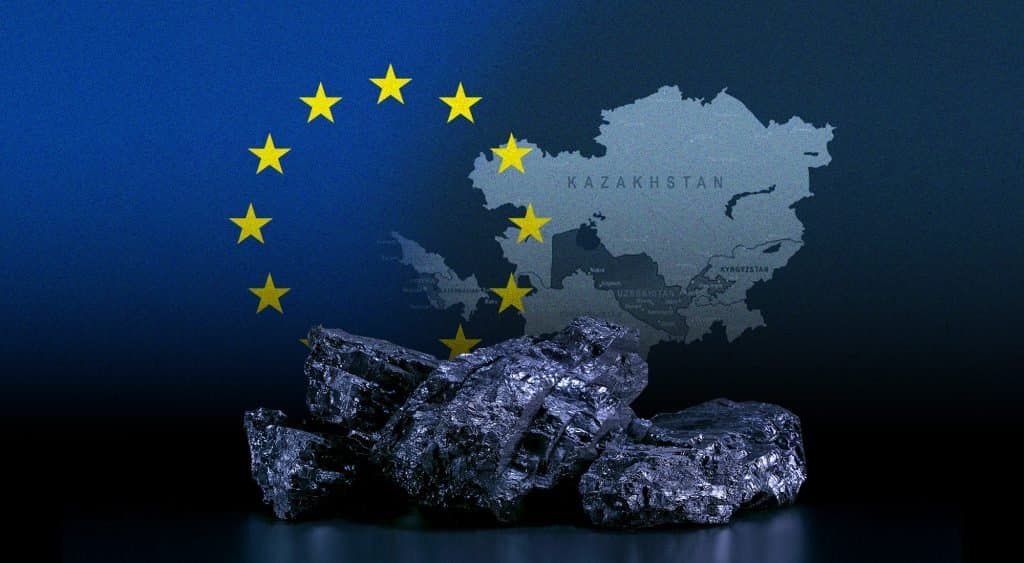
In a rapidly evolving global landscape, three significant geopolitical developments are capturing attention: the European Union's (EU) struggles with critical minerals, escalating violence in Nigeria, and the United States' strategic withdrawal from Syria. These events not only highlight regional tensions but also underscore the interconnected nature of global politics.
EU's Critical Minerals Challenge 🌍
The European Court of Auditors recently released a report highlighting the EU's faltering progress towards its 2030 strategic raw materials objectives. These goals include 10% extraction and 40% processing of critical minerals within the EU, limiting import reliance to 65% from non-EU states, and achieving a 25% recycling capacity.
The Importance of Critical Minerals
Critical minerals, such as lithium, cobalt, and tungsten, are essential for the EU's technological and economic future. They are pivotal in sectors ranging from renewable energy to electronics, making their secure supply a cornerstone of the EU's strategic autonomy.
Falling Short of Targets
The EU is currently not on track to meet its 2030 objectives. The report stresses the need for state intervention to rectify market imbalances exacerbated by past subsidies and market dominance by non-EU states. Without decisive action, the EU risks lagging behind in the global technological race.

Rising Violence in Nigeria 🔥
Nigeria, Africa's most populous nation, is grappling with increasing violence that threatens regional stability. Recent attacks have spotlighted the challenges facing the Nigerian government, from insurgency groups to local militias.
Causes and Implications
The roots of Nigeria's violence are multi-faceted, involving economic disparities, ethnic tensions, and political instability. The ongoing unrest not only impacts Nigeria's internal security but also has broader implications for West African geopolitics.
International Response
Global powers are closely monitoring the situation, as Nigeria's stability is crucial for regional security and economic prospects. International aid and diplomatic interventions are being considered to support Nigeria's efforts in restoring peace.
US Syria Withdrawal: Strategic Repercussions 🇺🇸
The United States' decision to withdraw troops from Syria marks a significant shift in its Middle Eastern strategy. This move reflects broader geopolitical recalibrations and has sparked debates about its implications for regional stability.
The Rationale Behind the Withdrawal
The withdrawal is part of the US's broader strategy to reduce military engagements and focus on emerging threats elsewhere. However, this decision raises concerns about the power vacuum in Syria and the potential resurgence of extremist groups.
Global Reactions
Allied nations and regional powers are reassessing their strategies in response to the US's withdrawal. The decision underscores the complexity of the Syrian conflict and the challenges of achieving lasting peace in the region.
Concluding Thoughts: Navigating a Complex World 🌐
These geopolitical developments illustrate the intricate web of international relations. The EU's critical minerals challenge, Nigeria's escalating violence, and the US's strategic withdrawal from Syria all underscore the need for collaborative global solutions.
As these stories unfold, they serve as a reminder of the dynamic nature of geopolitics and the importance of strategic foresight in navigating the future. Stakeholders across the globe must work together to address these challenges and foster a more stable and prosperous world.
You May Also Like

Geopolitical Analysis
Saudi Arabia's Bold Minerals Strategy
July 1, 2026

Geopolitical Analysis
Strategic Challenges in Securing the Strait of Hormuz
June 30, 2026

Geopolitical Analysis
Sovereignty, Airpower & Alliance Integration Limits
June 30, 2026
Geopolitical Analysis
Myanmar: A Renewed Frontline in India-China Tensions
June 29, 2026