Category:
Geopolitical AnalysisGeopolitics in the World Cup: Mexico, Iran
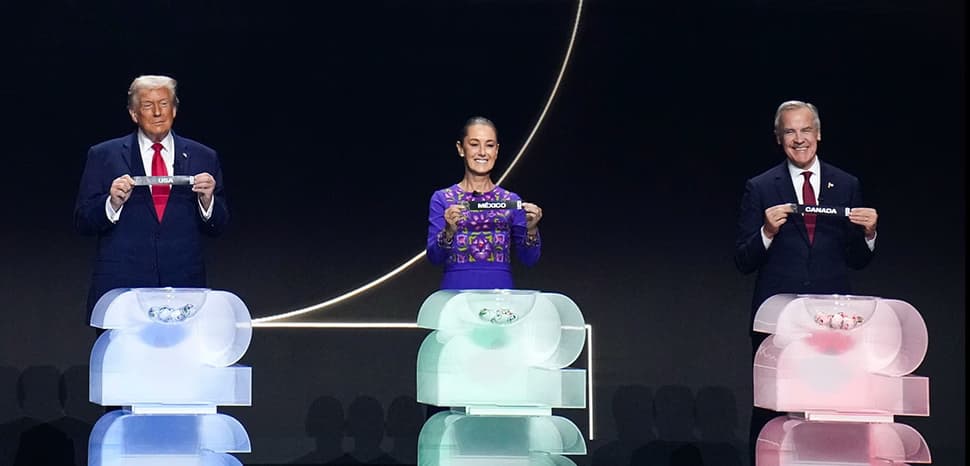
In a world where sports and politics often intersect, the upcoming FIFA World Cup presents a unique stage for geopolitical dynamics. The tournament, hosted by the United States, Canada, and Mexico, is overshadowed by tensions between the U.S. and Iran. This backdrop sets a complex scene for the event, where the spirit of competition faces the stark realities of international relations.
The Tension Between Sports and Politics 🎭
International sports events like the FIFA World Cup often act as diplomatic arenas, subtly influencing global relationships. However, the 2026 World Cup is marked by the unusual scenario of a host nation being embroiled in conflict with a participating country. The U.S. is involved in a prolonged conflict with Iran, creating a precarious situation for Iran's participation.
Iran's Participation: A Diplomatic Challenge
Initially scheduled to train and play on U.S. soil, Iran's national team faces hurdles due to security concerns and travel restrictions. These challenges prompted a decision to relocate Iran's training base to Mexico, a move that highlights the geopolitical intricacies at play.
Mexico's Strategic Role 🌎
Mexico's decision to host the Iranian team underscores its strategic role in maintaining equilibrium in this tense environment. By stepping in, Mexico not only facilitates Iran's participation but also positions itself as a mediator in a complex geopolitical landscape.
Soft Diplomacy Through Sports
Sporting events like the World Cup serve as platforms for soft diplomacy, allowing countries to navigate sensitive political relationships under the guise of global camaraderie. For Iran, participating in the World Cup symbolizes a continued presence in international forums, reinforcing its legitimacy despite tensions.
The Broader Implications for U.S.-Mexico Relations 🇺🇸🇲🇽
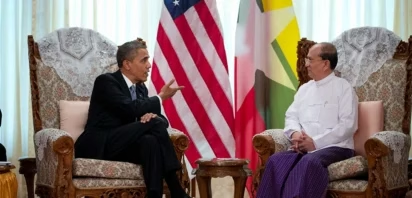
The decision to relocate Iran's training camp to Mexico also impacts U.S.-Mexico relations. Under President Claudia Sheinbaum, Mexico has balanced cooperation with the U.S. while maintaining its sovereignty, a delicate task given the Trump administration's assertive policies.
Navigating Bilateral Tensions
Mexico's role in hosting Iran can be seen as an extension of its broader strategy to manage its relationship with the U.S. The ongoing negotiations over the USMCA trade agreement and security issues further complicate this dynamic. President Sheinbaum has advocated for "cooperation without subordination," striving to maintain economic and diplomatic stability.
Conclusion: The World Cup as a Geopolitical Stage 🌍
The 2026 FIFA World Cup is more than just a sporting event; it's a microcosm of global politics. As Mexico hosts Iran's team, it exemplifies the power of sports diplomacy in managing international tensions. The tournament will continue to be a platform where political narratives unfold, reminding us that the world of sports is never truly isolated from the complexities of geopolitics.
You May Also Like

Geopolitical Analysis
Saudi Arabia's Bold Minerals Strategy
July 1, 2026
Geopolitical Analysis
Strategic Challenges in Securing the Strait of Hormuz
June 30, 2026
Geopolitical Analysis
Sovereignty, Airpower & Alliance Integration Limits
June 30, 2026
Geopolitical Analysis
Myanmar: A Renewed Frontline in India-China Tensions
June 29, 2026