Category:
Geopolitical AnalysisGeopolitics Weekly Insights
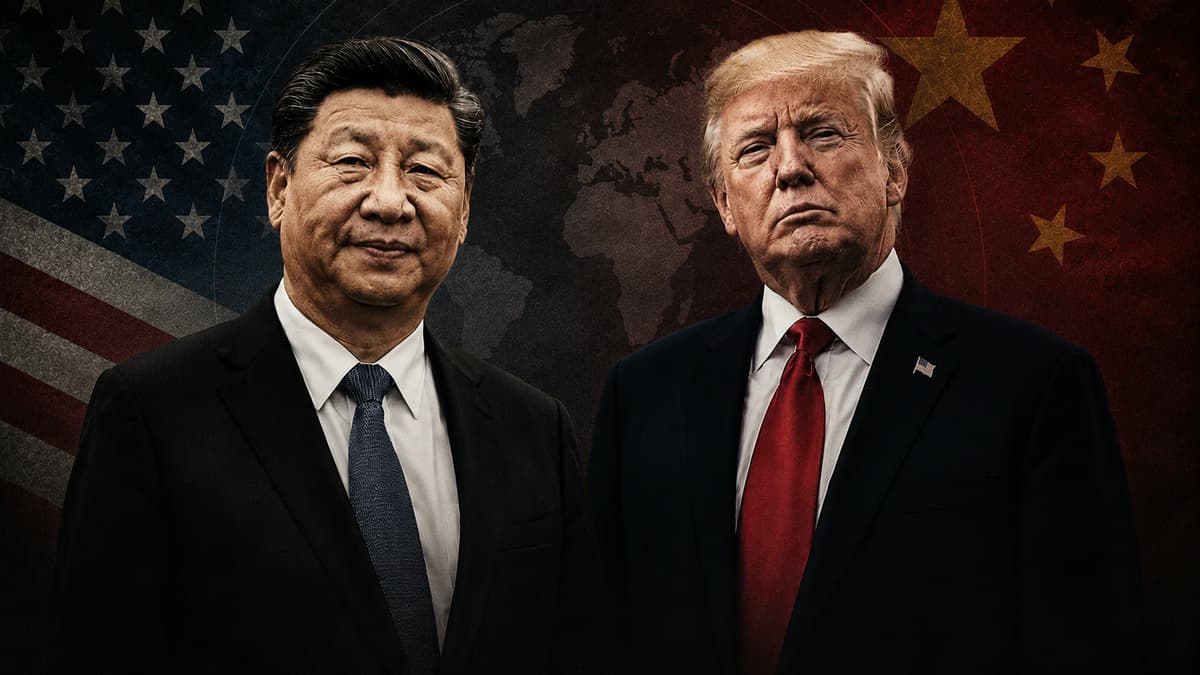
In the ever-evolving landscape of global politics, staying informed is crucial. This week, three significant events have captured the world's attention: the ongoing conflict in Iran, the Trump-Xi Summit, and the BRICS+ meeting. Let's delve into these pivotal occurrences and their implications.
Rising Tensions in Iran 🇮🇷
The situation in Iran has reached a boiling point, with regional tensions escalating rapidly. The ongoing conflict has far-reaching implications not just for the Middle East, but for global security as well. Recent developments have seen a surge in military activities, prompting concerns over potential repercussions for international trade routes and energy supplies.
Iran's strategic position in the region makes it a critical player in global geopolitics. The conflict's ramifications are felt worldwide, impacting oil prices and regional alliances. It's essential to monitor how international powers respond, as any misstep could lead to a broader conflict.
Trump-Xi Summit: A Diplomatic Dance 🤝
The much-anticipated summit between former U.S. President Donald Trump and Chinese President Xi Jinping has taken center stage. This meeting is a crucial opportunity for both leaders to address ongoing trade tensions and geopolitical disputes.
Key Points of Discussion:
- Trade Relations: The trade war has strained economic ties, affecting global markets. Negotiations aim to ease tariffs and foster cooperation.
- Tech Rivalry: As tech giants compete, the summit seeks common ground on cybersecurity and intellectual property rights.
- Regional Stability: Both leaders will discuss North Korea's nuclear ambitions and the South China Sea disputes.
This summit is pivotal for shaping future U.S.-China relations. A successful outcome could stabilize markets and foster collaboration in addressing global challenges.
BRICS+ Meeting: Shaping a New World Order 🌍
The BRICS+ meeting in Kazan has brought together emerging economies to discuss strategies for enhancing cooperation and development. With the addition of new members, the group seeks to amplify its influence on the global stage.
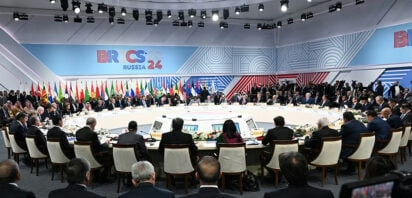
Highlights of the Meeting:
- Economic Collaboration: Strengthening trade ties and investment flows among member countries.
- Sustainable Development: Addressing climate change and promoting green technologies.
- Financial Stability: Establishing a framework for financial cooperation to mitigate economic risks.
The BRICS+ initiative reflects a shift towards multipolarity in global governance. By uniting diverse economies, the group aims to challenge the dominance of traditional powers and foster a more balanced international order.
Conclusion: Navigating Uncertainty 🚀
As these geopolitical events unfold, the world watches closely. The outcomes of the Iran conflict, Trump-Xi Summit, and BRICS+ meeting will shape global alliances, economic policies, and security strategies. Staying informed and understanding the broader implications is essential for navigating an increasingly interconnected world.
🔮 Key Takeaways:
- The Iran conflict could significantly impact global energy markets and security.
- U.S.-China relations hinge on the outcomes of the Trump-Xi Summit.
- BRICS+ aims to redefine global governance through economic cooperation.
As these dynamics continue to evolve, the importance of geopolitical awareness cannot be overstated.
You May Also Like

Geopolitical Analysis
Saudi Arabia's Bold Minerals Strategy
July 1, 2026
Geopolitical Analysis
Strategic Challenges in Securing the Strait of Hormuz
June 30, 2026
Geopolitical Analysis
Sovereignty, Airpower & Alliance Integration Limits
June 30, 2026
Geopolitical Analysis
Myanmar: A Renewed Frontline in India-China Tensions
June 29, 2026