Category:
Geopolitical AnalysisGeopolitics Weekly: Iran, DRC, and Quad Updates
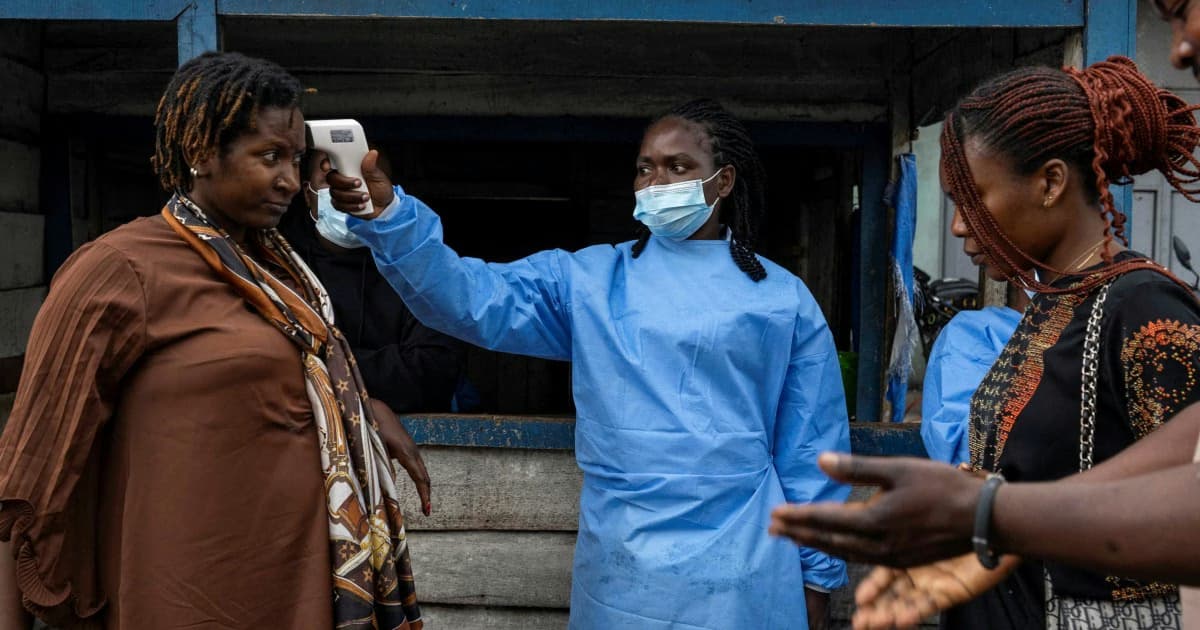
In a world that's constantly evolving, staying updated with geopolitical developments is crucial. This week's focus spans three pivotal issues: the Iran war deal, the Ebola outbreak in the Democratic Republic of the Congo (DRC), and the resurgence of the Quad alliance. Let's delve into each of these topics to understand their global implications.
Iran War Deal: A Fragile Ceasefire
The Iran war deal remains a critical focal point in Middle Eastern geopolitics. Attempts to revive the 2015 nuclear agreement have been fraught with challenges. Tensions have escalated, leading to a fragile ceasefire that could break at any moment. The region's stability hinges on diplomatic negotiations, as global powers strive to prevent another conflict.
- Historical Context: The Joint Comprehensive Plan of Action (JCPOA), signed in 2015, promised to alleviate sanctions on Iran in exchange for limitations on its nuclear program. However, the U.S. withdrawal in 2018 under the Trump administration led to renewed tensions.
- Current Developments: Talks continue, but mutual distrust hampers progress. Both sides are wary, with Iran demanding sanction relief and the West seeking compliance guarantees.
Potential Outcomes
- Diplomatic Resolution: Continued negotiations could lead to a renewed deal, stabilizing the region.
- Escalation: Failure to reach an agreement might result in increased military tensions.
DRC Ebola Outbreak: A Public Health Crisis
The Democratic Republic of the Congo is grappling with an Ebola outbreak, adding to its complex health challenges. This situation not only affects the region but also poses a threat to global health security.
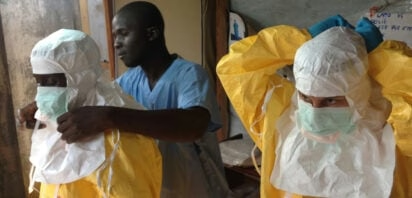
- Background: Ebola has plagued the DRC multiple times, with the first outbreak recorded in 1976. The country has faced over a dozen outbreaks since then.
- Current Situation: The latest outbreak is concentrated in the North Kivu province, a region already destabilized by conflict. Efforts to contain the virus face obstacles due to limited resources and infrastructure.
Global Health Implications
- Containment Strategies: International aid and local efforts are crucial in managing the outbreak and preventing further spread.
- Vaccination Campaigns: Deployment of vaccines is essential to control the situation and avert a pandemic.
The Quad: Strategic Revival
The Quadrilateral Security Dialogue, known as the Quad, has gained renewed momentum. This strategic alliance, comprising the U.S., India, Japan, and Australia, focuses on ensuring a free and open Indo-Pacific region.
- Historical Significance: Initially formed in 2007, the Quad was dormant for years but has seen a resurgence due to China's growing influence in the region.
- Current Dynamics: The alliance is strengthening military cooperation and economic partnerships to counterbalance China's assertive policies.
Future Prospects
- Enhanced Cooperation: Joint military exercises and diplomatic engagements are expected to increase.
- Economic Synergies: Collaboration on trade and technology could bolster the alliance's influence.
Conclusion: A Global Perspective
In conclusion, the geopolitical landscape is ever-changing. The Iran war deal, DRC Ebola outbreak, and revival of the Quad alliance each carry significant implications for global peace and stability. As these stories unfold, the world watches closely, recognizing the interconnectedness of global events. 🌍
Key Takeaways
- Diplomatic efforts are crucial for the Iran deal's success.
- Global cooperation is needed to manage the DRC's health crisis.
- The Quad's revival underscores shifting power dynamics in the Indo-Pacific.
Stay informed, as these developments will shape the geopolitical narrative in the coming months.
You May Also Like

Geopolitical Analysis
Saudi Arabia's Bold Minerals Strategy
July 1, 2026
Geopolitical Analysis
Strategic Challenges in Securing the Strait of Hormuz
June 30, 2026
Geopolitical Analysis
Sovereignty, Airpower & Alliance Integration Limits
June 30, 2026
Geopolitical Analysis
Myanmar: A Renewed Frontline in India-China Tensions
June 29, 2026