Category:
Geopolitical AnalysisGeopolitics Weekly: Iran, Food Prices & Ukraine
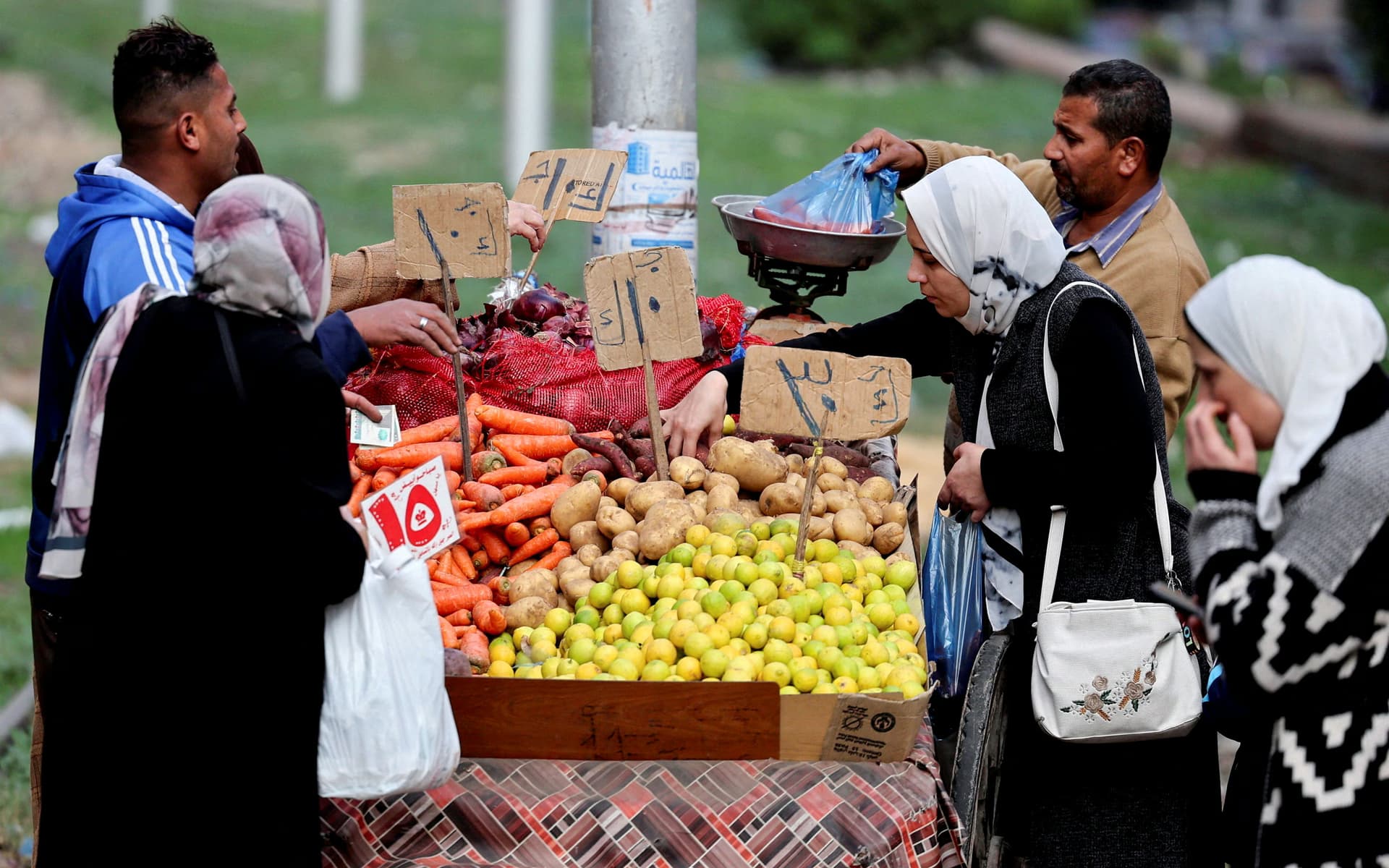
In an ever-evolving world, geopolitical tensions continue to shape the global landscape. This week, the spotlight is on three pivotal areas: the ongoing conflict involving Iran, the repercussions on global food prices, and the tentative ceasefire in Ukraine. Let's delve deeper into these pressing issues.
The Iran Conundrum: Balancing Act or Escalation?
The geopolitical chessboard is tense as the Iran conflict unfolds. President Trump faces a dilemma: either risk political fallout from an expensive war with uncertain outcomes or consider military escalation. The Iranian economy is feeling the pressure as food prices soar, primarily due to the US blockade. Meanwhile, Washington is grappling with domestic challenges, such as high fuel prices and strained international alliances.
Economic Strains on Both Sides
- Iran: Economic strain is visible with inflationary pressures exacerbating the cost of living, hitting ordinary citizens hard.
- US: Domestic issues like rising fuel costs and political pressures from upcoming mid-term elections add to the tension.
This complex geopolitical scenario requires both nations to evaluate their long-term strategies and resilience in absorbing economic shocks.
Food Prices on the Rise: A Global Concern 🌾
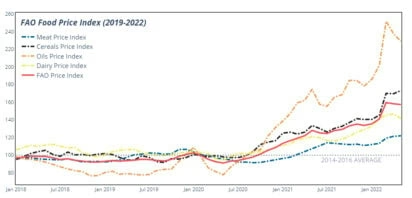
The UN’s Food and Agriculture Organization (FAO) reported a significant increase in the food prices index, reaching a three-year high primarily driven by vegetable oil prices. This is partly attributed to the Iran conflict and its ripple effects on global trade.
The Domino Effect of Rising Costs
- Vegetable Oils: Prices surged by 5.9% month-on-month, influenced by energy prices and their role in biofuels.
- Fertilizer Disruptions: Potential disruptions threaten to impact future harvests, particularly cereal crops, which could lead to increased meat prices.
The global food supply chain is at a critical juncture, with potential long-term impacts on food security and economic stability.
Ukraine Ceasefire: A Glimpse of Hope?
In a surprising development, Russia and Ukraine have agreed to a three-day ceasefire to commemorate Victory Day. This rare pause in hostilities, however, is fraught with allegations of violations from both sides, casting doubt on its longevity.
Potential for Prolonged Peace?
- Previous Attempts: Past ceasefires have often failed quickly, but the current agreement suggests a potential shift in Russia's negotiation stance.
- International Reactions: President Trump expressed optimism for an extended ceasefire, signaling a possible diplomatic window.
The situation remains fragile, and the coming days will be crucial in determining whether this ceasefire can pave the way for a more lasting peace.
Key Takeaways and Future Outlook 🔍
- Iran Conflict: Watch for potential diplomatic moves or escalations that could redefine the regional power dynamics.
- Food Prices: Monitor global trade policies and agricultural forecasts for insights into future price trends.
- Ukraine Peace Efforts: The international community's role could be pivotal in sustaining peace initiatives.
In conclusion, these interconnected geopolitical issues highlight the intricate balance of power, economics, and diplomacy on the global stage. As new developments unfold, staying informed is crucial for anticipating the next moves in this complex game of geopolitics.
You May Also Like

Geopolitical Analysis
Saudi Arabia's Bold Minerals Strategy
July 1, 2026
Geopolitical Analysis
Strategic Challenges in Securing the Strait of Hormuz
June 30, 2026
Geopolitical Analysis
Sovereignty, Airpower & Alliance Integration Limits
June 30, 2026
Geopolitical Analysis
Myanmar: A Renewed Frontline in India-China Tensions
June 29, 2026