Category:
Geopolitical AnalysisGeopolitics Weekly: Key Global Tensions Unveiled
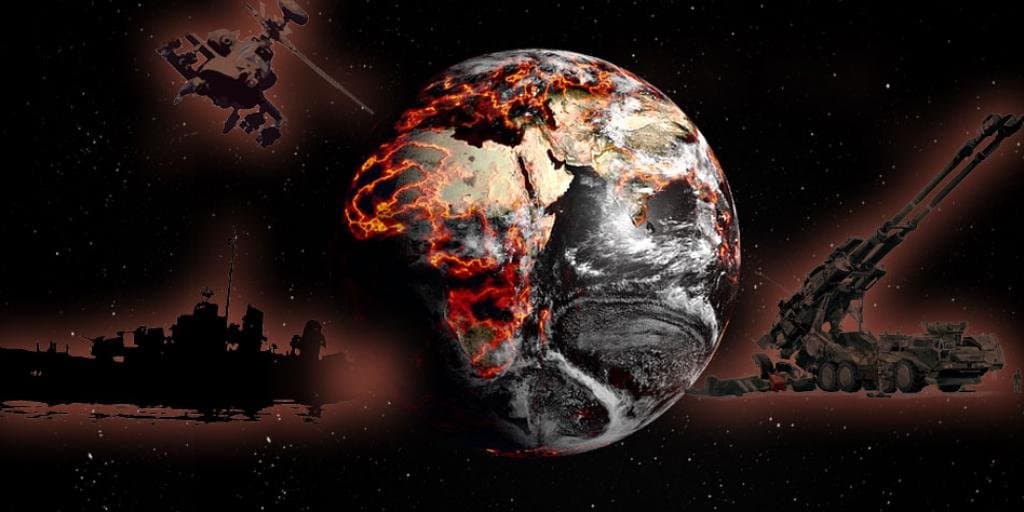
In an increasingly interconnected world, geopolitical tensions ripple across continents, influencing global stability and security. This edition of Geopolitics Weekly delves into three critical developments: China's internal purge, Iran's naval maneuvers, and the recent attack on Niger's airport.
China's Political Purge: A New Era of Control
Recent weeks have seen a dramatic political purge within China's ruling party, a move signaling President Xi Jinping's tightening grip on power. This internal shake-up underscores the Chinese government's resolve to solidify its authority amid rising economic challenges and international scrutiny.
Historical Context
China's political purges are not unprecedented. Historically, such actions have been employed to eliminate dissent and reinforce party loyalty. However, the current wave is particularly significant due to its scale and timing, coinciding with China's slowing economic growth and increasing international tensions.
Implications for Global Politics 🌍
The consolidation of power in China could lead to more assertive foreign policies, impacting global trade and security dynamics. This development is crucial for stakeholders worldwide, as China's policies affect everything from supply chains to international diplomacy.
Iran's Naval Armada: Strategic Power Play
The Iranian Navy's recent activities have drawn global attention, notably its expanded presence in strategic waterways. This move is viewed as a demonstration of power amidst ongoing nuclear negotiations and regional instability.
Strategic Significance 🚢
Iran's naval maneuvers underscore its strategic ambitions in the Middle East. By projecting military strength, Iran seeks to assert its influence over vital maritime routes, a critical factor in global energy supplies.
Broader Geopolitical Trends
This escalation aligns with broader regional dynamics, where maritime dominance is increasingly contested. The implications extend beyond the Middle East, affecting international shipping and energy markets.
The Niger Airport Attack: A Stark Reminder of Regional Instability
On January 29, the Diori Hamani International Airport in Niamey, Niger's capital, was attacked, resulting in significant casualties and infrastructure damage. This assault highlights ongoing security challenges in the Sahel region.

Background and Impact
The attack, claimed by the Islamic State, reflects the persistent threat of terrorism in West Africa. The region's instability poses challenges for local governments and international partners working towards peace and security.
Looking Forward: A Call for International Cooperation
Addressing the root causes of violence in the Sahel requires coordinated international efforts. Enhanced security measures, economic development, and diplomatic engagement are essential to stabilizing the region.
Conclusion: Navigating an Uncertain Future
These developments in China, Iran, and Niger illustrate the complex and volatile nature of global geopolitics. As nations navigate these challenges, international cooperation and strategic foresight will be vital to ensuring a stable and secure world.
🔍 Key Takeaways:
- China's political purge highlights increasing centralization of power.
- Iran's naval expansion underscores regional strategic ambitions.
- The Niger airport attack exemplifies persistent regional instability.
Stay informed on these and other global issues as they unfold, shaping the geopolitical landscape.
You May Also Like

Geopolitical Analysis
Saudi Arabia's Bold Minerals Strategy
July 1, 2026
Geopolitical Analysis
Strategic Challenges in Securing the Strait of Hormuz
June 30, 2026
Geopolitical Analysis
Sovereignty, Airpower & Alliance Integration Limits
June 30, 2026
Geopolitical Analysis
Myanmar: A Renewed Frontline in India-China Tensions
June 29, 2026