Category:
Geopolitical AnalysisIndia's Mediterranean Strategy Shifts Ankara's Focus
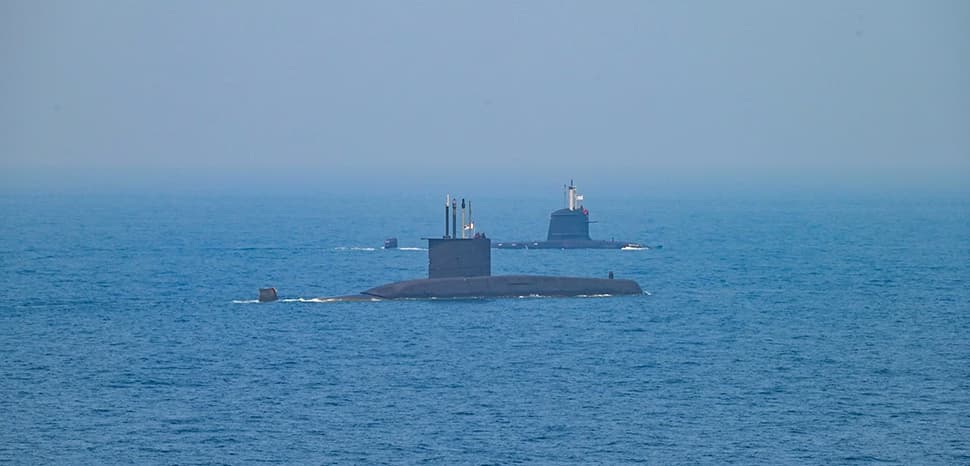
In recent years, India's strategic maneuvers in the Mediterranean have signaled a significant shift in geopolitical dynamics, prompting Turkey to reassess its regional calculations.
India’s Mediterranean Tactics 🌍
India's presence in the Mediterranean, characterized by naval engagements and strengthened ties with Greece, Cyprus, and Israel, illustrates a nuanced approach to international diplomacy. These actions, including naval exercises and defense collaborations, underscore a modern form of statecraft: deterrence by association.
Historical Context and Strategic Alliances 📜
The relationship between India and Turkey has evolved, influenced by Turkey’s growing partnership with Pakistan. Turkey's support for Pakistan on contentious issues like Kashmir has strained its ties with India, driving New Delhi to subtly counteract through strategic partnerships in the Eastern Mediterranean.
Key Developments:
- Naval exercises with regional allies
- Increased interest in Indian defense technologies, such as the BrahMos missile
- Strengthened intelligence sharing and defense collaborations
The Art of Indirect Signaling 🛡️
India's strategy does not entail direct confrontation with Turkey but rather enhances the regional security framework of Greece, Cyprus, and Israel. By bolstering these nations, India contributes to a more interconnected network that subtly counters Turkey’s influence.
Deterrence by Association 🔄
This approach reflects a broader shift in how geopolitical influence is exercised today. Rather than territorial expansion, modern statecraft focuses on psychological and diplomatic leverage. India's movements in the Mediterranean serve as a reminder to Turkey that actions in South Asia can have repercussions in its strategic backyard.
Broader Implications for Global Politics 🌐
The emergence of India as a player in Mediterranean security discussions highlights a global trend where middle powers expand their strategic reach beyond traditional geographic confines. This is part of a larger international pattern where countries like the UAE, Saudi Arabia, and South Korea are asserting influence across diverse regions.
Conclusion: Strategic Subtlety and Future Outlook 🔮
India's Mediterranean strategy exemplifies a subtle yet impactful form of diplomacy that reshapes regional power dynamics without direct confrontation. As geopolitical landscapes continue to evolve, India's approach may serve as a model for other nations seeking to expand their influence through indirect means.
In a rapidly changing world, where perceptions shape realities, India's Mediterranean presence is a testament to the power of strategic foresight and alliance-building.
You May Also Like

Geopolitical Analysis
Saudi Arabia's Bold Minerals Strategy
July 1, 2026

Geopolitical Analysis
Strategic Challenges in Securing the Strait of Hormuz
June 30, 2026
Geopolitical Analysis
Sovereignty, Airpower & Alliance Integration Limits
June 30, 2026
Geopolitical Analysis
Myanmar: A Renewed Frontline in India-China Tensions
June 29, 2026