Category:
Geopolitical AnalysisIndonesia Faces Real Inflation Crisis at Home
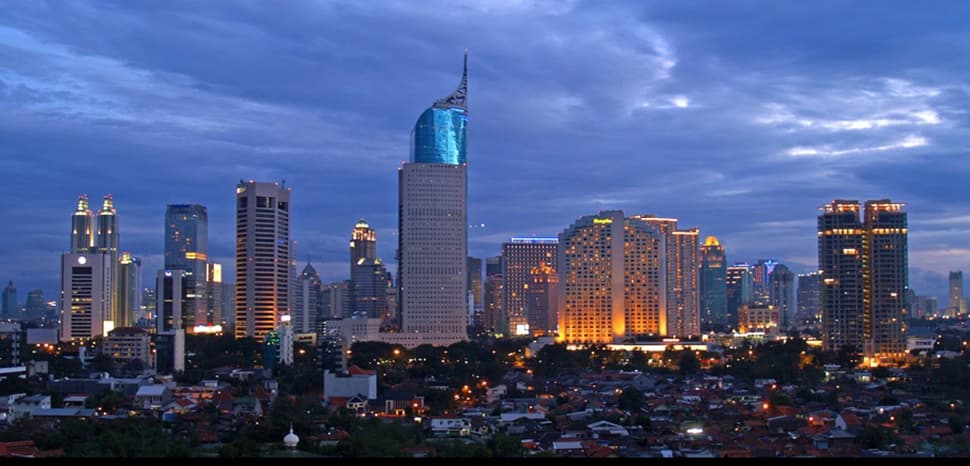
Unveiling the Real Inflation Crisis in Indonesia 🌏
In recent months, Indonesia has been grappling with a unique form of 'observer inflation' — a term coined by the Cabinet Secretary to describe the perceived inflation of critics and analysts. However, the real crisis lies not in observer inflation, but in the household inflation that is impacting daily lives across the nation. 🏠💸
Household Inflation: The Invisible Burden
Household inflation in Indonesia is not just an abstract economic concept; it is a lived reality that affects millions. Rising costs in essential sectors such as healthcare and education have become significant burdens for families. For instance, healthcare costs are projected to increase by 13.6% to 19.4% by 2025, making it one of the highest inflation rates in the Asia-Pacific region. This surge is largely due to Indonesia's reliance on imported pharmaceutical materials, making the sector vulnerable to currency fluctuations and global supply chain issues. 📈
Education and Housing: The Unseen Gatekeepers
Education, once a ladder to the middle class, is now increasingly becoming a gatekeeper. Tuition fees have skyrocketed, with some reports indicating increases of several hundred percent over the past decade. This financial strain is compounded by rising housing costs, particularly in urban centers like Jakarta, where only about half of the population owns their homes. The rest are at the mercy of volatile rental markets. 🏫🏡
Economic Strain and Public Sentiment
The Indonesian labor market is another area where household inflation is felt acutely. Wage stagnation amidst rising living costs has deepened anxiety, particularly among younger Indonesians entering the workforce. This economic strain is mirrored in public sentiment, where trust in institutions is waning even as personal approval for leaders like President Prabowo Subianto remains high. Such a dichotomy highlights a fracture in democratic trust, posing risks to the nation’s political stability. 🤝
The Geopolitical Implications
On a global scale, Indonesia is positioning itself as a key middle power, engaging in strategic alliances and trade agreements. However, this outward ambition is contingent upon internal stability. The ongoing inflation crisis could undermine Indonesia’s geopolitical aspirations if not addressed effectively. 🌍
Addressing the Root Causes
To mitigate these challenges, Indonesia must adopt robust policy measures that directly address household inflation. This includes diversifying the economy to reduce dependency on imports, implementing effective wage policies, and investing in affordable healthcare and education systems. Additionally, fostering institutional trust through transparency and accountability will be critical to maintaining democratic stability. 🔧
Conclusion: A Path Forward
Indonesia’s journey towards economic resilience and geopolitical prominence is fraught with challenges, but it is not insurmountable. By focusing on substantive policy changes and rebuilding public trust, Indonesia can navigate the complexities of household inflation and emerge stronger on both domestic and international fronts. The time for action is now, to ensure the nation's stability and prosperity for generations to come. 🌟
You May Also Like

Geopolitical Analysis
Saudi Arabia's Bold Minerals Strategy
July 1, 2026

Geopolitical Analysis
Strategic Challenges in Securing the Strait of Hormuz
June 30, 2026

Geopolitical Analysis
Sovereignty, Airpower & Alliance Integration Limits
June 30, 2026
Geopolitical Analysis
Myanmar: A Renewed Frontline in India-China Tensions
June 29, 2026