Category:
Geopolitical AnalysisIndonesia's Strategic Geopolitical Shift
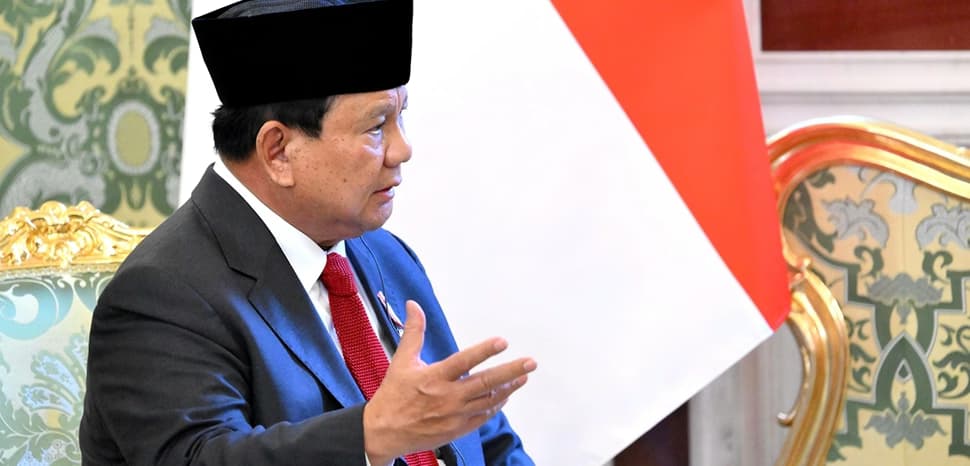
Indonesia's Strategic Dilemma 🌏
In the heart of Southeast Asia, Indonesia finds itself at a pivotal crossroads. As global tensions rise, Indonesia's recent geopolitical maneuvers highlight its strategic challenges and opportunities. The nation's decision to deepen ties with the United States through a Major Defence Cooperation Partnership while engaging in significant trade agreements marks a profound shift. This move, driven by both necessity and ambition, underscores Indonesia's struggle to maintain its economic stability and sovereignty in an increasingly polarized world.
The Energy Crisis Impact 🔥
The ongoing conflict in the Middle East has disrupted nearly 20% of the global oil supply, sending shockwaves across energy markets. For Indonesia, an archipelago of over 270 million people, this has created economic ripples that reach every household. The rising cost of energy has strained the nation's fragile subsidy system and weakened the rupiah, igniting an inflationary spiral affecting everything from fuel prices to daily commodities like tempeh.
US-Indonesia Relations: A New Chapter ✈️
Indonesia's pivot towards the US is not merely a strategic choice but a necessary refuge. This partnership offers a semblance of economic and political stability, albeit at the cost of some autonomy. From Washington's perspective, Indonesia is an indispensable link between the Indian and Pacific Oceans, providing strategic insurance in a region where traditional US bases face increasing vulnerabilities.
Economic Implications of Trade Agreements 📈
The Agreement on Reciprocal Trade (ART) between the US and Indonesia slashes tariffs, opening American markets to Indonesian exports like palm oil, coffee, and cocoa. This agreement also ensures Indonesia's integration into US-centric supply chains for critical minerals, marking a significant shift in Indonesia's economic landscape.
Historical Context and National Identity 🏛️
Indonesia's foreign policy has long been guided by the principle of bebas dan aktif (independent and active), a doctrine forged during the anti-colonial struggle and crystallized at the 1955 Bandung Conference. This legacy of non-alignment is deeply woven into the nation's identity and public expectation. However, Indonesia's current geopolitical strategy tests this doctrine, as it navigates complex relationships with the US, China, and Russia.
Domestic Reactions and Legal Challenges ⚖️
The new geopolitical directions have sparked significant domestic backlash. Public opposition has manifested in street protests and religious edicts, with many Indonesians wary of aligning too closely with US strategic objectives. Legal challenges have also arisen, questioning the constitutionality of the trade agreements without parliamentary approval, thus framing these deals as potentially unlawful government actions.
Conclusion: Navigating Strategic Risks and Opportunities 🌟
Indonesia's current geopolitical strategy underscores the delicate balance it must maintain between economic necessity and national sovereignty. As Jakarta treads this tightrope, its ability to navigate the geopolitical landscape will significantly impact its future role on the global stage. The coming years will be crucial in determining whether Indonesia can maintain its independence while forging necessary alliances in a rapidly changing world.
You May Also Like

Geopolitical Analysis
Saudi Arabia's Bold Minerals Strategy
July 1, 2026

Geopolitical Analysis
Strategic Challenges in Securing the Strait of Hormuz
June 30, 2026

Geopolitical Analysis
Sovereignty, Airpower & Alliance Integration Limits
June 30, 2026
Geopolitical Analysis
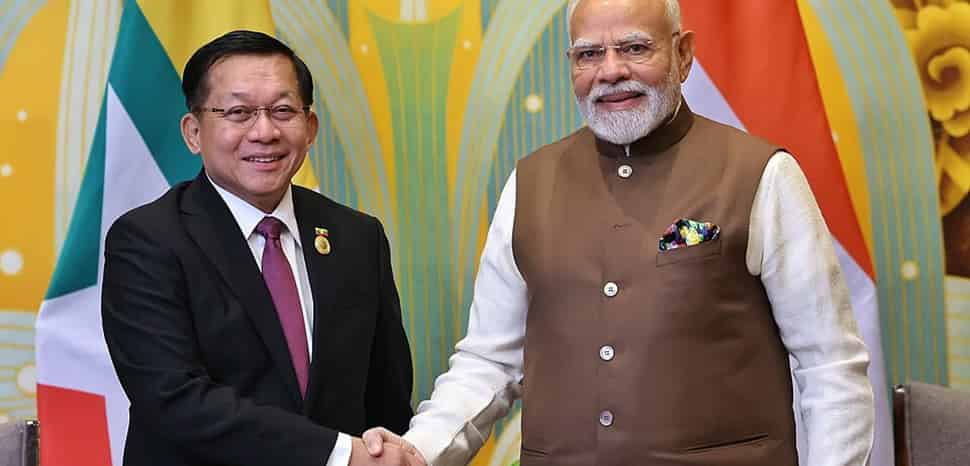
Myanmar: A Renewed Frontline in India-China Tensions
June 29, 2026