Category:
Geopolitical AnalysisNorth Korea's Strategic Alliance with China & Russia
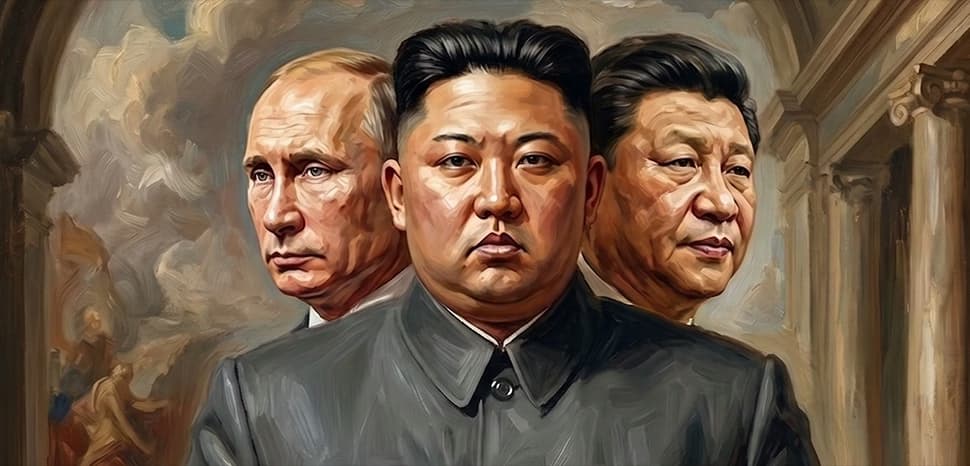
North Korea's Strategic Shift 🌐
In recent years, North Korea has been forging a strategic alliance with China and Russia, marking a significant shift in the geopolitical landscape. This evolving partnership, often referred to as the "Triangular Threat," poses a formidable challenge to global security dynamics. As these nations align their interests, the implications for international relations are profound.
Historical Context and Current Dynamics 📜
The relationship between North Korea and China dates back to the Korean War, solidified by a mutual defense treaty signed in 1961. In 2021, this agreement was renewed for another two decades, underscoring the enduring nature of their alliance. China remains North Korea's largest trading partner, accounting for a substantial portion of its foreign trade. Recent data from China's General Administration of Customs reveals a 22% increase in trade between the two countries, amounting to $418.7 million in the first two months of the year.

Economic Ties and Sanctions Evasion 💼
The Sino-Korean Friendship Bridge serves as a critical trade route between Dandong, China, and Sinuiju, North Korea. This bridge facilitates the flow of humanitarian aid, raw materials, and goods into North Korea. An anticipated upgrade, the New Yalu River Bridge, is expected to enhance these economic ties further, potentially aiding in sanctions evasion by increasing trade volume.
Despite official support for UN sanctions, China plays a crucial role in enabling North Korea to circumvent these restrictions. This strategic move is driven by Beijing's desire to maintain stability in the region and control over North Korea's nuclear ambitions.
Russia's Role in the Alliance 🛡️
Russia's involvement in this triangular alliance is equally significant. The ongoing conflict in Ukraine has driven Russia into closer collaboration with North Korea and China, as they collectively oppose Western influence. This alignment is not merely a response to international sanctions but a strategic maneuver to bolster their geopolitical stance.
Geopolitical Implications 🌍
The strengthening of this trilateral relationship has profound implications for regional security. It reflects a growing resistance to Western diplomatic efforts and a shift towards a multipolar global order. This alliance amplifies the threat posed by North Korea's advanced weapons programs, as it gains access to resources and support from its powerful allies.
Future Prospects and Challenges 🔮
Looking ahead, the completion of the New Yalu River Bridge by 2026 is expected to further cement economic ties between China and North Korea. This development could lead to increased sanctions evasion activities, challenging international efforts to curb North Korea's nuclear ambitions.
As these nations deepen their alliance, the global community must navigate the complexities of this evolving geopolitical landscape. Diplomatic strategies and international policies will need to adapt to address the security challenges posed by this formidable trio.
Key Takeaways 🎯
- The alliance between North Korea, China, and Russia marks a significant shift in global power dynamics.
- Economic ties between China and North Korea are pivotal, with trade routes facilitating sanctions evasion.
- Russia's alignment with North Korea and China is driven by mutual opposition to Western influence.
- The completion of infrastructure projects like the New Yalu River Bridge will strengthen economic collaboration.
In conclusion, the "Triangular Threat" of North Korea's alliance with China and Russia is reshaping the geopolitical landscape. As these nations align their strategies, the international community must remain vigilant and adaptive in response to these evolving dynamics.
You May Also Like

Geopolitical Analysis
Saudi Arabia's Bold Minerals Strategy
July 1, 2026
Geopolitical Analysis
Strategic Challenges in Securing the Strait of Hormuz
June 30, 2026
Geopolitical Analysis
Sovereignty, Airpower & Alliance Integration Limits
June 30, 2026
Geopolitical Analysis
Myanmar: A Renewed Frontline in India-China Tensions
June 29, 2026