Category:
Geopolitical AnalysisTwo Clocks, One Crisis in the South China Sea
The South China Sea remains a focal point of geopolitical tension, embodying the clash of two distinct strategic mindsets: that of the 'cowboy' and the 'engineer'. On April 10, 2026, a strategic maneuver unfolded quietly as China installed a 352-meter floating barrier at the Scarborough Shoal, a contested area recognized under international law as Philippine territory. This move, executed swiftly and without fanfare, highlights the contrasting approaches of the United States and China in this volatile region.
The Cowboy's Crisis Time
The 'cowboy' mindset operates on crisis time, focusing on immediate responses to emerging threats. In this framework, the United States faces pressure to react swiftly to ensure its strategic interests and uphold international norms. The installation of the barrier at Scarborough Shoal exemplifies a calculated Chinese move, testing U.S. resolve amidst its distractions in other global theaters like Iran and Venezuela.
A Strategic Distraction?
While the U.S. deals with multiple global crises, its attention is divided. Analysts suggest that China capitalizes on these distractions, advancing its interests in the South China Sea while the U.S. is preoccupied. This strategic timing underscores the difference in operational tempos between the two nations.
The Engineer's Project Time
In contrast, China's 'engineer' approach embodies long-term, strategic planning. This methodical approach was evident when China first seized the Scarborough Shoal in 2012 and subsequently declared it a national nature reserve in 2023. These actions are part of a broader strategy, not requiring immediate public declarations but rather unfolding gradually over time.
The Long Game
China's installation of the floating barrier is not merely a tactical maneuver; it is a part of a long-term strategy. The barrier serves as a probe to normalize Chinese presence and test international reactions. By the time responses are formulated, China has already moved forward with its next steps.
Balikatan 2026: A Show of Force
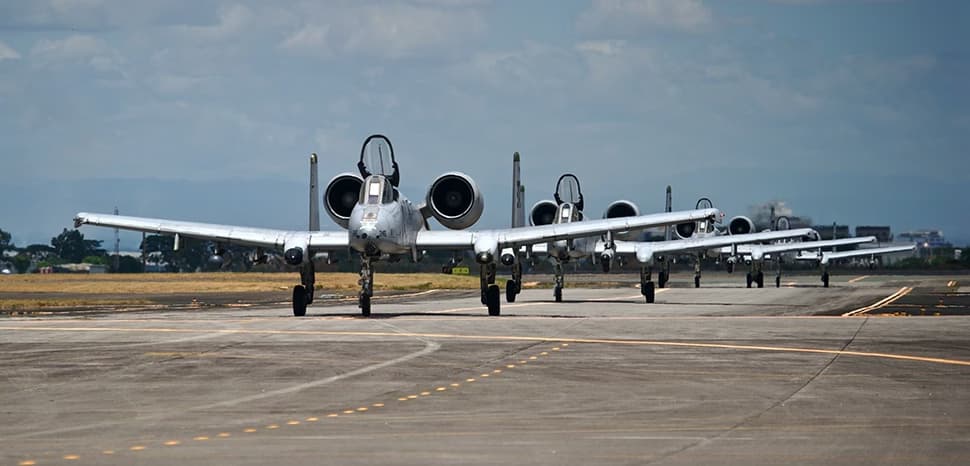
In response to China's actions, the U.S. and its allies conducted Balikatan 2026, the largest military exercise in the region's history. With participation from Japan, Australia, Canada, France, and New Zealand, this exercise signifies a deepening of military alliances. Japan's deployment of surface-to-ship missiles marks a significant development, showcasing regional solidarity against potential threats.
The Exercise vs. The Probe
Despite the scale of Balikatan 2026, the exercise cannot undo the strategic advancements made by China. The floating barrier, though removed, served its purpose of gauging international reactions and extending China's influence in the region. This underscores the ongoing challenge of responding to strategic initiatives already in motion.
The Geopolitical Implications
The events in the South China Sea illustrate a broader challenge in geopolitical strategy: responding effectively to incremental advances by a strategic rival. While the U.S. demonstrates its commitment through military exercises and alliances, China's methodical approach continues to reshape the strategic landscape.
Looking Ahead
As tensions persist, the question remains: How will the United States and its allies adapt to the evolving dynamics in the South China Sea? The answer lies in balancing immediate responses with long-term strategic planning, akin to adopting both the cowboy and engineer mindsets.
In conclusion, the South China Sea crisis exemplifies the strategic dichotomy between immediate action and calculated long-term planning. As the situation evolves, the ability to integrate both approaches will be crucial in navigating the complexities of international relations and maintaining stability in the region.
You May Also Like

Geopolitical Analysis
Saudi Arabia's Bold Minerals Strategy
July 1, 2026
Geopolitical Analysis
Strategic Challenges in Securing the Strait of Hormuz
June 30, 2026
Geopolitical Analysis
Sovereignty, Airpower & Alliance Integration Limits
June 30, 2026

Geopolitical Analysis
Myanmar: A Renewed Frontline in India-China Tensions
June 29, 2026