Category:
International RelationsIndus Waters Treaty: A Year After Pahalgam
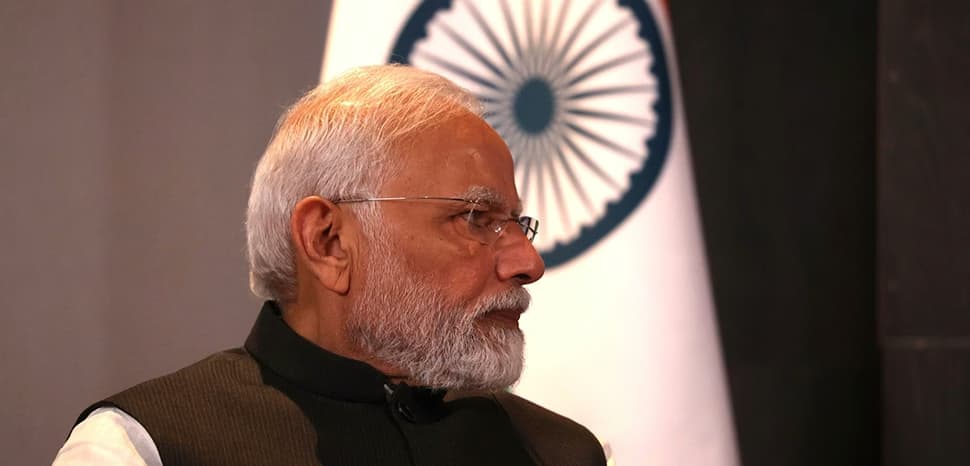
In the realm of international relations, water treaties stand as critical pillars for maintaining peace between nations. The Indus Waters Treaty (IWT), signed in 1960, is a testament to this, facilitating water sharing between India and Pakistan. However, the recent strain following the Pahalgam incident has placed this resilient treaty under unprecedented scrutiny.
Historical Context of the Indus Waters Treaty 🌊
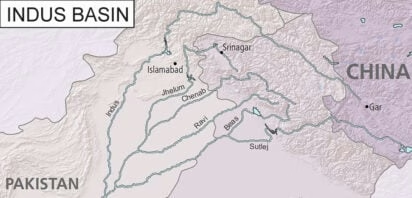
The Indus Waters Treaty was brokered by the World Bank and signed by Indian Prime Minister Jawaharlal Nehru and Pakistan President Ayub Khan. It allocates the three eastern rivers—Ravi, Beas, and Sutlej—to India and the three western rivers—Indus, Jhelum, and Chenab—primarily to Pakistan. This allocation is crucial as approximately 80% of the Indus system's flow benefits Pakistan, underpinning its agricultural sector, which contributes significantly to the nation's GDP.
The Pahalgam Attack and Its Aftermath 🔍
In April 2025, the Pahalgam attack, resulting in the loss of 26 lives, escalated tensions. India, blaming Pakistan for the attack, suspended the IWT, demanding an end to cross-border terrorism. This unilateral decision sparked outrage in Pakistan, which responded with legal challenges and brought the issue to the United Nations Security Council (UNSC).
Pakistan's Diplomatic Push 📜
Pakistan's approach involved a strategic diplomatic campaign. By January 2026, Pakistan's Ambassador to the UN, Asim Iftikhar Ahmad, highlighted India's actions as violations of international law, emphasizing potential humanitarian and environmental crises for millions reliant on the Indus system. This narrative culminated in Pakistan's appeal to the UNSC for intervention.
India's Stance and Strategic Interests 🇮🇳
India maintains that the treaty cannot be viewed in isolation from security issues. In interviews, Indian officials have reiterated that the suspension of the IWT is a necessary measure against terrorism. This stance reflects a broader policy where water security is intertwined with national security.
The Role of the United Nations 🌍
The UNSC's involvement in transboundary water disputes is limited, as evidenced by its handling of the Grand Ethiopian Renaissance Dam (GERD) issue. While the UNSC can facilitate dialogue, it traditionally avoids direct interventions in such matters. This precedent casts doubt on its potential impact on the IWT dispute.
Future Prospects and Geopolitical Implications 🔮
The current impasse raises significant questions about the future of the IWT. The World Bank, originally a mediator, has distanced itself, stating its role is limited to facilitation. India's rejection of the World Bank's arbitration on hydropower projects further complicates potential resolutions.
Key Takeaways and Looking Ahead 📅
- The persistence of cross-border tensions makes the future of the IWT uncertain.
- Diplomatic channels remain crucial for conflict resolution, but involve complex negotiations.
- The international community's role, particularly organizations like the UN, may evolve as these disputes increasingly intersect with global security issues.
In conclusion, as India and Pakistan navigate these turbulent waters, the balance between maintaining a critical treaty and addressing security concerns remains a delicate act. The coming months will be pivotal in shaping the region's geopolitical landscape, with potential implications for international water governance.
You May Also Like
International Relations
Japan-India Summit: New Alliances Emerge
July 6, 2026
International Relations
Canada-Ukraine Drone Deal: A Strategic Partnership
July 2, 2026

International Relations
Taiwan's Diplomatic Struggle for Global Recognition
June 26, 2026
International Relations
US-Brazil Relations Risked by Terrorist Designations
June 4, 2026